
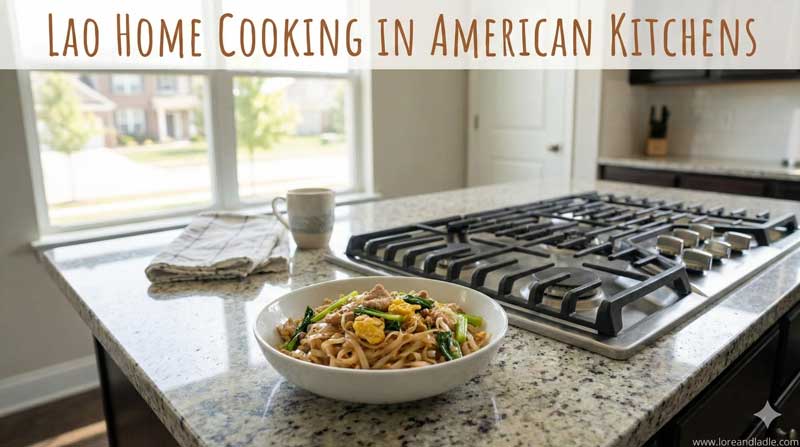
Introduction
Introducing High-Protein Lao Home Cooking in American Kitchens for Busy Professionals invites readers to taste a thoughtful fusion of Lao flavors with practical, protein-forward meals. This approach honors Lao culinary values while speaking directly to modern routines. The dish is built on fresh herbs, bright acidity, and lean proteins, all prepared with efficiency in mind. In American homes, where time is precious, these dishes offer balance, nutrition, and a clear sense of place. The result is a tasty bridge between tradition and daily life, inviting both seasoned cooks and newcomers to explore Lao-style cooking with confidence and joy.
Flavor and Techniques in Lao Home Cooking
Lao cuisine centers on bright, clean flavors and careful harmony. Key elements include herbs such as mint, cilantro, Thai basil, and culantro if available, along with lime, fish sauce, and a touch of chili. The cooking style favors quick heat, fresh finishing, and precise seasoning. In High-Protein Lao Home Cooking in American Kitchens for Busy Professionals, you’ll see lean proteins prepared with swift techniques: quick stir-fries, fast grills, and fresh salads that come together in minutes. The result is a meal that feels vibrant and complete, with the protein serving as a satisfying anchor, supported by zippy dressings and herbaceous brightness.
The Protein-Packed Palette
This concept emphasizes protein without sacrificing Lao flavor. Expect lean chicken, pork loin, grilled fish, or tofu as practical options. Each protein is seasoned to draw out clean, sharp notes—lime juice brightening, fish sauce adding depth, and a whisper of chili for warmth. Pairings include minced meat salads, known for their lively texture and protein density, or grilled slices laid over crisp herbs. The plates stay balanced: a modest portion of starch (often sticky rice) alongside generous greens and herbs, ensuring a meal that fuels the body as it respects the senses. The emphasis on protein makes the dishes especially appealing to busy professionals seeking nourishment that travels well from stove to desk or bag.
Cultural Value and Culinary Significance
The dish honors Lao culinary identity through its bright balance of salty, sour, spicy, and umami notes. The careful use of herbs creates a refreshing aroma that speaks to outdoor markets, gardens, and shared meals. In its American kitchen setting, the dish becomes a cultural ambassador—an invitation to savor a cuisine that values fresh ingredients, precise timing, and mindful preparation. Practically, the approach demonstrates how traditional methods can adapt to modern schedules without losing soul. The result is a respectful conversation between two food worlds, where technique and taste reinforce a sense of place, memory, and craft.
Adapting Lao Classics for Busy American Kitchens
For professionals juggling many responsibilities, efficiency is key. Start with quality, versatile proteins and bright aromatics. Batch-produce herb mixes, keep a jar of lime-chili dressing ready, and grill proteins in advance for quick reheating. Maintain freshness by finishing dishes with herbs just before serving and using lime juice to brighten flavors. Sticky rice can be prepared in larger portions and reheated with a splash of water to restore texture. This pragmatic approach preserves the essence of Lao cuisine—sharp flavors, clean lines, and a satisfying protein base—while fitting neatly into a hectic schedule. The result is a practical, delicious way to enjoy Lao-inspired meals any day of the week.
Presentation, Serving, and Sharing
Serving these dishes in simple, vibrant bowls highlights color and texture. Place a protein-focused main over a bed of fresh herbs, with a small portion of sticky rice on the side. A citrusy dressing can be drizzled just before eating to preserve brightness. Allow salads to rest briefly so flavors meld, then finish with mint and cilantro for a fragrant finish. Sharing is natural here: a quick, comforting meal becomes a small ritual of nourishment and connection, easily shared with family, colleagues, or roommates. The presentation reinforces the cultural value of hospitality and thoughtful eating.
Conclusion
High-Protein Lao Home Cooking in American Kitchens for Busy Professionals offers more than a meal; it provides a doorway to Lao flavor, technique, and spirit within a contemporary routine. It celebrates crisp balance, herb-forward brightness, and protein-dense plates that sustain a demanding day. In American kitchens, this approach shows how tradition can thrive alongside modern life—through thoughtful prep, fresh ingredients, and respectful preparation. The result is an inviting, practical expression of Lao culinary heritage that remains beautiful, flavorful, and deeply satisfying.