
Heading
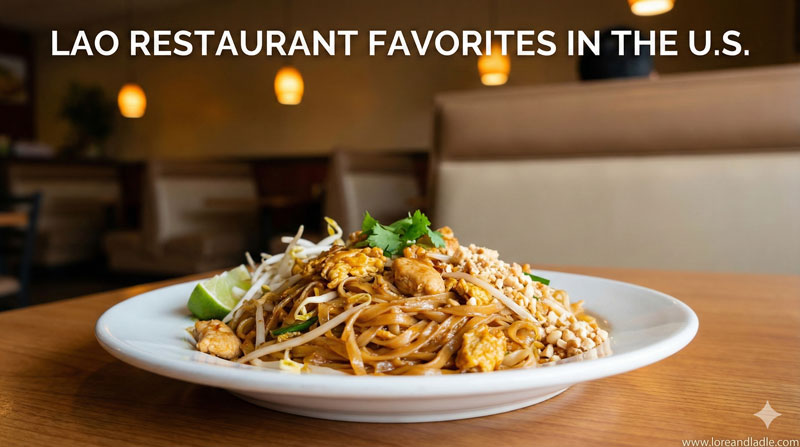
Lao cuisine brings warmth to the table. in the United States, Lao restaurant favorites offer comforting textures and bright, balanced flavors that feel like a hug in a bowl. This post shines a light on the cultural value and culinary significance of these dishes. You will discover how quiet techniques, fresh herbs, and thoughtful pairings create meals that are both everyday and memorable. The focus stays on the beauty of the food and its place in Lao food culture.
Heading
The core of Lao flavors and cooking style. Lao cuisine centers on balance. The palate blends sour, salty, spicy, and earthy notes in harmony. Sticky rice, or khao nieow, often anchors a meal and can carry as much flavor as the dish that accompanies it. Fresh herbs such as mint, cilantro, dill, and green onions lift the plate with scent and brightness. Fish sauce or fermented fish sauces add depth, while lime juice delivers a clean tang. Garlic, chili, ginger, and lemongrass show up in soups, salads, and dips. The preparation emphasizes quick, precise moves—tossing herbs at the last moment, simmering broths just enough, and keeping textures lively. The result is clarity and warmth in every bite. These choices reveal a culture that values balance, freshness, and the pleasure of shared eating.
Heading
Comfort dishes you’ll find in Lao restaurants across the U.S. These staples invite cozy dinners and thoughtful tasting. In many Lao eateries, you can expect:
- Kao Piak Sen (Lao-style noodle soup): A soothing, lightly seasoned broth surrounds soft noodles and tender meat. The dish feels restorative on cooler evenings and partners well with a small plate of herbs and lime.
- Larb (traditional minced meat salad): Ground meat, toasted rice powder, and a chorus of herbs create a bright, textural centerpiece. Lime and fish sauce add a signature zing that lifts the dish.
- Tam Mak Hoong (green papaya salad): Shredded papaya, nuts, chilies, and lime give a fresh, crunchy contrast to richer sides. It’s tangy, peppery, and deeply refreshing.
- Khao Niaw (sticky rice) with jeow: Sticky rice served with a lively chili paste or a herb-packed dip. This pairing reinforces the sharing moment and invites everyone to taste together.
- Or Lam (hearty Lao stew): A comforting pot of meat with vegetables and a bouquet of herbs. It offers depth and a sense of home in a single pot.
These dishes show how Lao cooks layer textures—soft noodles, crisp papaya, or the pliable bite of sticky rice—with herbaceous brightness and a touch of heat. In U.S. restaurants, each plate carries a sense of craft, patience, and care that makes a cozy dinner feel thoughtful and special.
Heading
The cultural value of sharing, ritual, and presence at the table. Lao meals emphasize togetherness. Dishes are designed to be shared, with sticky rice often rolled into portions and passed around the table. The act of dipping a piece of meat or papaya salad into a jeow or sauce becomes a moment of connection. Fresh herbs arrive as a fragrant chorus, inviting all diners to adjust flavors to their liking. Eating becomes a gentle conversation about balance, seasonality, and craft. The ritual of careful plating—a bowl of broth here, a pile of herbs there—reflects hospitality and respect for the food and the people who prepare it. These meals teach us to slow down, notice aroma, and savor textures.
Heading
Pairings, textures, and cozy dinner ideas inspired by Lao cooking. A comforting Lao-inspired evening can be easy to assemble at Home or enjoyed in a friendly restaurant setting. Start with a warm soup like Kao Piak Sen to invite conversation and keep the room calm and cozy. Add a bright papaya salad to wake up the palate, then finish with sticky rice and a dip of jeow. This combination balances warmth, tang, and crunch. If you prefer a one-pot option, Or Lam provides a hearty option without complexity, while still keeping the herbal freshness front and center. For beverages, a light lime or lemongrass tea can echo citrus notes from the dishes. A simple table setup with fresh herbs as a centerpiece can enhance the mood and make the evening feel special.
Heading
Creating a Lao-inspired cozy dinner at home: practical tips. To recreate the comforting essence, focus on these ideas:
– Use sticky rice as a unifying element. Steam it gently and keep it warm in a basket or wrapped cloth.
– Prepare a small bouquet of herbs: mint, cilantro, dill, and green onions. Add them at the table so guests can tailor each bite.
– Mix a bright, balanced sauce: lime juice, fish sauce, a touch of sugar, garlic, and chili. Build flavor gradually for each dish.
– Keep one hot pot or soup simmering. That warmth makes the evening feel welcoming.
– Choose one protein and build a brief, flavorful larb-style preparation with lime, ground meat, and herbs. It’s quick, radiant, and satisfying.
These steps help you capture the essence of Lao comfort: accessible ingredients, careful technique, and a dining experience that feels calm and inviting.
Heading
A respectful appreciation of Lao culinary craft and its place in daily life. Lao food is more than taste; it’s a practice of balance and hospitality. The dishes reflect seasonal produce, traditional techniques, and a community spirit that thrives around the table. The careful use of herbs, the sensibly seasoned broths, and the pairing with sticky rice all speak to a way of eating that is generous and precise. Visitors to U.S. Lao restaurants often notice the clear aroma of herbs, the gentle warmth of spice, and the soft, comforting textures. These qualities celebrate a culinary tradition that values clarity, warmth, and belonging at the table.
Heading
Closing thoughts: inviting you to share in Lao comfort. The dishes highlighted here offer more than nourishment. They convey culture through flavor, technique, and the joy of communal meals. When you savor a Lao noodle soup, dip a chunk of papaya salad into a tangy sauce, or wrap a piece of meat with sticky rice, you participate in a timeless kitchen craft. May these ideas inspire cozy, welcoming dinners that honor the beauty of Lao cuisine and the care that goes into every plate.