
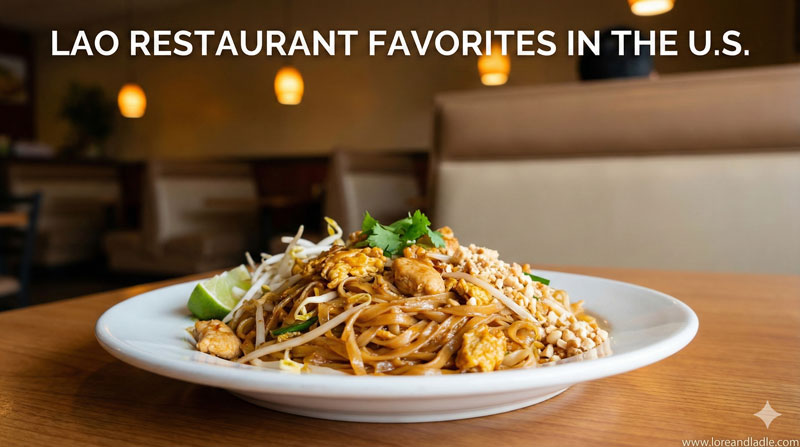
Welcome to Restaurant-Worthy Lao Restaurant Favorites in the U.S. You Can Make Tonight
This post invites you to explore Lao flavors that shine in restaurants across the United States and, with simple steps, can glow on your own table tonight. The focus is on cultural value and culinary significance. These dishes celebrate freshness, balance, and the beauty of shared meals.
The heart of Lao cuisine: balance, freshness, and aroma
Lao cooking treasures balance: bright citrus, savory depth, gentle smoke, and herbal brightness. Fresh herbs play a starring role. Lime juice wakes the palate, fish sauce adds depth, and chili brings warmth. Sticky rice anchors the meal with a soft, chewy texture. Together, these elements create flavors that feel both comforting and vibrant. When you cook Lao favorites at Home, you honor a long tradition of precise seasoning and thoughtful preparation.
Core Lao dishes that feel hotel-restaurant-worthy
-
Larb (laap): A bright, minced-meat salad scented with mint, shallots, and lime. It is lively and clean, with кислот brightness that makes it feel refined yet approachable. This dish shines when the meat is finely ground and the herbs are freshly chopped. Serve with a mound of sticky rice to anchor the flavors.
-
Mok Pa: Steamed fish wrapped in banana leaf. The leaf carries a delicate aroma of herbs and gentle steam, which infuses the fish with flavor. A light touch of chili, garlic, and green onions keeps the dish elegant and accessible for Home Cooking.
-
Tam Mak Hoong (Lao papaya salad): A crisp salad built on shredded green papaya, lime, fish sauce, palm sugar, and chilies. The crunch of papaya and roasted rice powder adds texture and a nutty finish. It sings at room temperature and pairs beautifully with sticky rice.
-
Or Lam: A hearty stew that celebrates vegetables, meat, and fragrant herbs. A simmering pot yields a comforting, soulful dish that demonstrates how Lao cooks build layers of flavor with basic ingredients—lemongrass, dill, eggplant, and herbs—into something rich yet fresh.
-
Khao Niao (Sticky Rice): The staple that unites the table. Its chewy texture and mild sweetness let other flavors shine. When served with these dishes, sticky rice becomes a respectful partner, enabling every bite to feel balanced and complete.
Simple, tonight-friendly approaches to each dish
-
Larb: Use ground chicken or pork, mix with lime juice, fish sauce, chopped shallots, and mint. Keep it fresh and bright. A quick toss of roasted rice powder adds a traditional aroma.
-
Mok Pa: Use a firm white fish fillet. Create a simple marinade with garlic, salt, and a touch of white pepper. Wrap in a banana leaf (or parchment if leaves aren’t available) and steam until just cooked. The result is tender and fragrant.
-
Tam Mak Hoong: Shred green papaya or use firm green mango as a substitute. Toss with lime juice, fish sauce, a pinch of sugar, and chilies. Finish with a handful of roasted rice powder for texture.
-
Or Lam: Start with a light broth or tomato-base, add meat or mushrooms, and pile in herbs and vegetables. Simmer briefly to preserve brightness and texture. Serve with a little fresh dill and lemongrass for aroma.
-
Khao Niao: Soak and steam glutinous rice until glossy. Fluff gently and serve as the quiet, comforting companion that carries the flavors of the other dishes.
Plating, aroma, and the dining experience
Lao dishes feel restaurant-worthy because they balance scent, color, and texture. A platter of green herbs, slices of lime, and a bowl of roasted rice powder invites guests to customize each bite. The aroma from banana leaves, fresh herbs, and lime zest creates an inviting scene at the table. Thoughtful plating—small mounds of larb, a neat piece of Mok Pa, and a generous portion of sticky rice—makes the meal feel refined yet welcoming.
Why these dishes matter to food culture
These Lao favorites express a philosophy of care: simplicity with precision, respect for ingredients, and shared joy at the table. Each dish highlights how color, aroma, and texture come together to tell a story about place, season, and craft. Preparing them at home lets you connect with a rich culinary tradition in a personal, intimate way. The dishes celebrate community eating, skillful technique, and the beauty of flavor harmony.
A warm invitation to start tonight
With these favorites in your kitchen, you can craft a restaurant-worthy Lao experience at home. Gather fresh herbs, lime, and a good fish sauce, then follow the simple steps above. You will taste the balance, brightness, and depth that Lao cuisine offers. This is cooking as culture—inviting, respectful, and delicious.
Final note
This guide centers on cultural value and culinary significance. It honors Lao flavors and their place in American kitchens, inviting you to savor tradition, craftsmanship, and shared meals tonight. Enjoy the journey of flavors, textures, and aromas that bring Lao restaurant favorites to your table.