
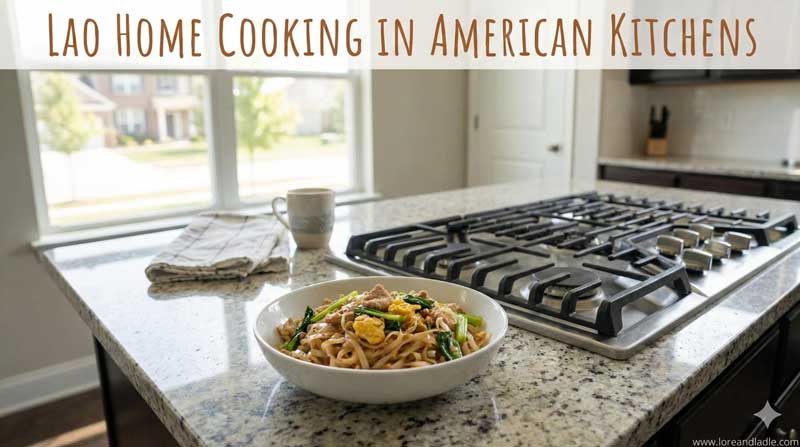
Introduction: A Slow-Cooked Spotlight on Lao Home Cooking
Slow Cooker Lao Home Cooking in American Kitchens for Set-and-Forget Nights invites a dining moment that is both comforting and culturally resonant. This dish centers Lao flavors, celebrated techniques, and the quiet beauty of a kitchen that hums with aroma while you attend to other evenings. It stands as a graceful example of how traditional taste can travel, adapt, and find a welcoming home in everyday American cooking.
What this dish honors in Lao culinary culture
At its heart, Lao cuisine treasures balance. Sour, salty, spicy, and sweet all meet in a single mouthful, each note distinct, each note essential. This approach appears in everyday meals, shared with family and friends, and in the careful use of bright herbs, aromatics, and measured heat. The Slow Cooker Lao concept preserves that philosophy by letting the ingredients mingle slowly, so their characters emerge fully without rushing the process. The result is a meal that feels intimate, familiar, and distinctly Lao, even as it sits comfortably on a weeknight table in the United States.
The culinary significance of Lao flavors in a modern kitchen
Lao flavors center on fresh aromatics, a keen sense of aroma, and a respectful pay-off of depth from slow simmering. You will find lemongrass’s citrus lift, garlic and shallots’ savory warmth, and fish sauce’s umami kiss rising through the dish. Kaffir lime or lime leaves, galangal or ginger, and a touch of palm sugar or brown sugar bring brightness, sparkle, and balance. When these elements come together, they tell a story of harvest, field, and family table. Using them in a slow cooker makes that story accessible to busy households without compromising the depth Lao cooks prize. In this way, the dish becomes a bridge between tradition and everyday life, inviting cooks to honor flavor while saving time.
The flavor profile that makes the dish memorable
The aroma opens first: citrusy lemongrass and earthy galangal mingle with garlic and shallots. A gentle kick from dried chilies or fresh hot peppers arrives next, then a soft, lingering finish from palm sugar and fish sauce. The result is a multi-layered profile that remains clean and bright, even after hours of simmering. This is not merely a sauce; it is a living memory of Lao kitchens, where every component plays a precise role. The slow cooker helps achieve that harmony by letting ingredients release their essence steadily, rather than rushing toward a single peak of flavor.
The slow cooker as a cultural bridge
The slow cooker is a modern ally that respects traditional technique. It lets home cooks in American kitchens bring Lao-inspired meals to the table with minimal daily fuss. This is not about replacing craftsmanship; it is about expanding access to a beloved flavor world. The device frees time for conversation, music, or other caregiving tasks, while the meal nurtures presence and hospitality. In this sense, the slow cooker becomes a quiet ambassador for Lao cuisine, extending its warmth beyond regional borders.
Core ingredients and why they matter
- Lemongrass: bright, lemony notes that lift the dish and brighten sauces.
- Garlic and shallots: foundational aromatics that deepen savor.
- Fish sauce: a cornerstone of Lao umami and seasoning.
- Lime leaves or fresh lime juice: punctuating acidity to balance richness.
- Galangal or ginger: peppery warmth that defines the backbone.
- Palm sugar or brown sugar: gentle sweetness to round out acidity and heat.
- Chilies: controlled heat for depth and memory.
- Toasted rice powder (khao nyao): optional, for texture and a subtle nutty note.
Using these Ingredients in thoughtful proportion preserves Lao identity while making the dish approachable for American pantry staples. The result remains unmistakably Lao in character, yet welcoming to homes exploring new flavors.
Serving with intention: culture through table habits
In Lao homes, meals often center on shared bowls, aromatic steam, and the tactile pleasure of accompanying staples like sticky rice. In the American kitchen, you can honor that practice by serving the dish alongside warm sticky rice or with a crusty loaf to soak up the sauce. A fresh herb garnish—mint or cilantro—adds brightness and a sense of freshness. A simple cucumber salad or pickled vegetables can introduce crisp contrasts that echo Lao table culture of balance and variety. The act of serving becomes part of the cultural experience, inviting conversation about flavors, textures, and memories tied to home cooking.
Technique and philosophy: gentle simmer, bold result
This dish emphasizes restraint and patience. The set-and-forget approach mirrors a traditional slow-cook sensibility: you assemble the flavors, set the heat, and allow time to marry the ingredients. The goal is not to overwhelm the palate with complexity but to reveal the harmony that Lao cuisine values. In practice, you layer aromatics, lean proteins, and careful seasonings, then let the slow cooker do the work. When you return to the kitchen, you are met with a fragrance that promises comfort and a plate that delivers tenderness and balance. That is culinary significance in its simplest, most meaningful form.
Variations that keep the culture alive in home cooking
- Protein options: pork, chicken, or beef all work well; choose meat that suits your family’s preferences.
- Vegetable notes: mushrooms, carrots, or daikon add color and texture without overshadowing the core flavors.
- Heat and sour adjustments: tweak chilies, lime juice, or tamarind to suit your palate while preserving the flavor balance.
- Herb accents: fresh mint or cilantro brightens the dish right before serving, reinforcing Lao flavor memory.
These variations demonstrate the dish’s adaptability while preserving its cultural voice. They also show how Lao home cooking can live beside American culinary styles, enriching both traditions through collaboration.
Accessibility and inclusivity in everyday cooking
The beauty of this dish lies in its inclusivity. It welcomes cooks with varying levels of experience and pantry availability. If you cannot find a Lao-market staple like certain herbs, you can approximate with more widely available ingredients while keeping the spirit intact. The goal is to honor flavor and technique in a way that makes the dish feel attainable for many households. This approach respects the cultural value of Lao home cooking while inviting broader participation in its delicious, comforting world.
Practical tips for a successful set-and-forget meal
- Layer aromatics at the bottom to prevent scorching and to build a fragrant foundation.
- Brown meat briefly in a skillet if you like richer flavor before slow-cooking; this step is optional but adds depth.
- Taste and adjust at the end of cooking to ensure the balance of sour, salty, sweet, and spicy remains bright.
- Use a touch of acidity (lime juice or tamarind) just before serving to refresh the palate.
- Serve with sticky rice or your preferred accompaniment to emphasize the cultural pairing that Lao meals often celebrate.
A respectful note on tradition and adaptation
Adapting Lao flavors for the American kitchen is a tribute to the beauty of global cooking. The aim is to honor the dish’s roots while making it practical for everyday life. This approach respects the core culinary intent—balance, warmth, and hospitality—without diminishing the original cultural voice. By embracing both tradition and practicality, cooks can enjoy a meal that feels ceremonial yet approachable, personal yet shared.
Conclusion: a warm invitation to explore Lao home cooking
Slow Cooker Lao Home Cooking in American Kitchens for Set-and-Forget Nights invites you to slow down and savor a dish that celebrates harmony of flavors and the warmth of home dining. It highlights Lao culinary significance through aroma, balance, and comforting texture, all brought forward by a simple, modern cooking method. In every pot that simmers, there is a quiet celebration of taste, family, and the enduring joy of gathering around a meal. This dish stands as a graceful reminder that good food travels well—carrying cultural value into new kitchens, one fragrant, satisfying bite at a time.