
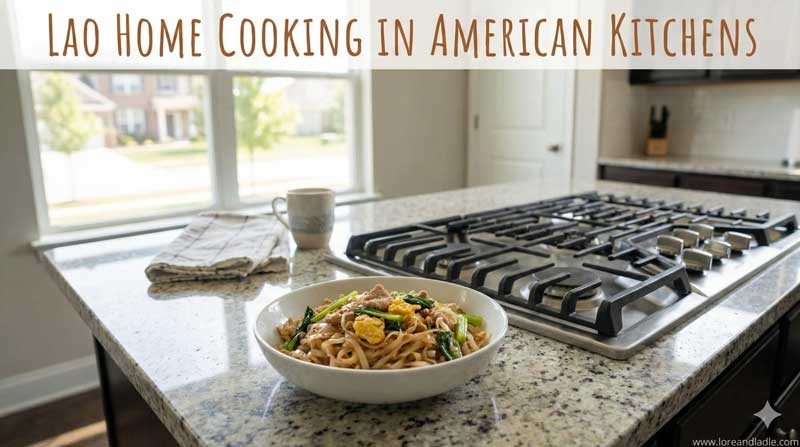
A Welcome to Lao Takeout-Inspired Home Cooking in the U.S.
This is a celebration of flavors that travel with people and find a home in American kitchens. The idea of Best Takeout-Inspired Lao Home Cooking in American Kitchens to Recreate in the U.S. is simple: translate iconic Lao tastes into fresh, approachable home meals. The result is meals that feel both comforting and adventurous. Each bite honors tradition while inviting home cooks to put their own stamp on the plate. The goal is warmth, hospitality, and a shared moment around a table.
Core Flavors: The Language of Lao Cooking
Lao cooking sings in balance. It blends bright acidity, salty depth, herbal brightness, and a subtle earthiness. Key elements include sticky rice as a central staple, fragrant herbs, lime juice, fish sauce, and roasted chiles. A jeow, or savory dip, adds a bright focus to many meals. Fermented notes from padaek bring a gentle, cultured aroma that ties dishes together. In home cooking, these flavors are approachable. You learn to adjust salt, sourness, and heat with simple, confident steps. The result is a menu that feels vivid, fresh, and deeply satisfying.
From Takeout to Home Tables
Takeout Lao dishes often showcase crisp textures, zesty dressings, and fast, satisfying preparations. In the home kitchen, you can recreate that same excitement with a few reliable techniques. Use fresh herbs to brighten plates, toast spices for warmth, and finish dishes with a squeeze of lime. The magic lies in translating the speed and comfort of takeout into the care of home cooking. This approach preserves the essence of Lao flavors while inviting cooks to personalize each portion for family tastes and seasonal ingredients.
Dishes to Recreate With Confidence
Three staples anchor Lao-inspired home menus in the United States:
-
Larb (laap): A peppery, lime-bright meat salad. Use ground pork, chicken, or beef. Season with fish sauce, lime juice, roasted rice powder, and fresh herbs. Serve with a side of sticky rice. The crunch of toasted rice and the freshness of mint and cilantro create a lively, balanced bite.
-
Tam Mak Hoong (green papaya salad): A crisp, tangy mix of shredded green papaya, tomatoes, and chili. Dress with lime, fish sauce, palm sugar, and roasted peanuts. A touch of padaek gives a gentle depth. This dish shines when you adjust heat and sourness to your liking, making it a bright centerpiece or a refreshing side.
-
Gai Yang with Jeow: Grilled chicken paired with a vibrant dipping sauce. The marinade often features garlic, lemongrass, and pepper. Serve with jeow, a herbaceous dip that blends chilies, herbs, and a splash of lime. The combination highlights smoky, fresh, and tart notes in one satisfying bite.
Other complementary pairings include sticky rice steamed to a glossy finish and herbs like vietnamese mint, cilantro, Thai basil, and dill in some regional variants. When you plate these dishes, aim for color, scent, and texture that invite a second bite.
Techniques That Elevate Home Lao Cooking
Mastering a few techniques helps home cooks capture Lao character:
-
Mortar and pestle work: Pound aromatics with purpose. This releases essential oils and builds a bright, fresh base for dressings, dips, and salads.
-
Toasting spices and rice powder: Lightly toast roasted rice powder to add a delicate nutty finish to larb and salads.
-
Balancing flavors: Start with lime, fish sauce, and a touch of sugar. Then adjust to taste. A little goes a long way, and you can always add more.
-
Fresh herbs at the ready: Have mint, cilantro, and basil chopped and ready. They bring brightness that brightens heavy sauces and fried notes.
-
Jeow and dips: Whip up jeow with chilies, garlic, and lime. A small bowl of jeow makes each plate feel complete and personal.
Cultural Value Through Sharing
Lao-inspired home cooking in the U.S. elevates everyday meals to moments of connection. Family recipes become living traditions when shared around the table. These dishes teach patience, precision, and generosity. The act of cooking for others carries care and respect, turning a kitchen into a place of welcome. The vibrant herbs, balanced sauces, and the tactile joy of sticky rice encourage mindful, communal eating. In this sense, the cuisine acts as a bridge—between flavors and memories, between improvisation and heritage, between cooks and guests.
Practical Tips for U.S. Kitchens
-
Ingredients: Look for glutinous (sticky) rice and fish sauce in Asian markets. Padaek adds depth, but a dash of fish sauce can substitute in many recipes. Fresh herbs are widely available in produce sections or farmers’ markets.
-
Substitutions: If fresh papaya isn’t available for tam mak hoong, shredded green papaya is ideal; shredded cucumber or carrot can offer a crunchy, lighter alternative in a pinch. For heat, use fresh chiles and adjust gradually.
-
Tools: A sturdy bowl and wooden spoon can replace a mortar and pestle if needed. But a small mortar and pestle accelerates flavor release and is worth the investment for frequent Lao-inspired meals.
-
Timing: Marinate and season components ahead of time. This makes weeknight recreations quick and satisfying, while still delivering depth and balance.
A Closing Note: Celebrate Lao Flavor in Your Kitchen
This journey into Best Takeout-Inspired Lao Home Cooking in American Kitchens to Recreate in the U.S. invites you to savor balance, brightness, and texture. The dishes honor Lao culinary craft while welcoming new cooks to explore with curiosity and respect. By bringing these flavors into your home, you create meals that feel both rooted and welcoming—plates that tell stories of freshness, community, and culinary care. Enjoy the process, share generously, and let Lao flavors enrich your everyday cooking in the United States.