
Welcome to a Night of Comfort and Craft
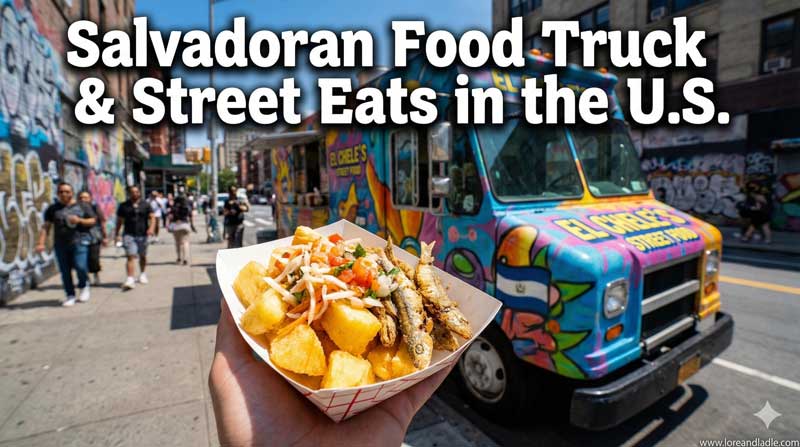
Comfort Food Cravings: late-night Salvadoran food truck pupusa runs You’ll Want Again and Again invites readers to savor more than a meal. It celebrates a dish that travels beyond taste and sits at the heart of a community’s evening ritual. This post shines a light on the cultural value of pupusas and the culinary artistry that makes late-night pupusa runs special. The scene is simple: a sizzling griddle, warm masa pockets, and people gathering to share bites, stories, and a moment of warmth.
The Craft Behind Pupusas: Masa, Fillings, and Technique
Pupusas come to life when masa, water, and salt meet careful hands. The dough rests, then halves are pressed into soft discs. Each disc holds a pocket of filling, from melty quesillo to savory beans, pork, or loroco—the delicate flower that adds a herbaceous lift. The magic lies in balance: the dough should yield easily, the seam must stay closed, and the edges bronzed with a gentle crisp. Vendors on late-night routes tune their technique with practice, keeping a steady rhythm that keeps the crowd fed and satisfied.
The fillings are a study in texture and aroma. Cheese melts into the warm interior; beans add earthiness; pork lends a comforting savory note. Loroco brings a unique floral-green fragrance that hints at the land where these flavors grew. The result Is a pupusa that feels familiar yet holds a small surprise in every bite. This combination—dough that yields, filling that harmonizes, and a hot surface that seals flavor—forms the culinary heartbeat of the dish.
The Bright Pair: Curtido, Salsa, and the Balance of Flavor
A pupusa rarely travels alone. It meets curtido and a bright tomato salsa, and together they form a balanced trio. Curtido is a crisp, tangy relish of cabbage, onions, and carrot, lightly pickled to keep its crunch. It adds brightness and acidity that cut through richness, cleansing the palate between bites. The salsa roja provides a gentle heat and a fruit-forward sweetness that complements the savory fillings. Together, these accompaniments elevate the pupusa from a tasty staple to a complete, layered snack.
This trio also tells a story about food culture. The curtido’s freshness echoes a tradition of using simple, fresh ingredients to brighten a meal. The salsa brings warmth and depth, offering a contrast that invites slower savoring rather than quick bites. In the late-night setting, the interplay of textures and temperatures helps the meal feel both comforting and exciting, a small ritual that can be shared among friends and neighbors.
The Late-Night Ritual: Food Trucks as Social Hubs
The late-night pupusa run is more than eating; it’s a social experience. The food truck becomes a gathering point where conversations begin over sizzling sounds and the aromatic invitation of warm dough. People line up, exchange recommendations, and welcome a moment of pause after a long day. Vendors often call out the day’s offerings with a friendly rhythm, guiding patrons from curiosity to satisfied bites.
This ritual is about accessibility and warmth. A pupusa is quick to prepare, easy to share, and large enough to feel satisfying after a busy evening. The social dynamic—neighbors catching up, students recharging after classes, families sharing a quick meal—adds cultural richness to the dish. The late-night setting also showcases the adaptability of Salvadoran street food: portable, flavorful, and deeply rooted in everyday life.
Cultural Value: A Beloved Staple with Generational Feel
Pupusas hold a cherished place in Salvadoran cuisine as a dependable, delicious meal that travels well from home kitchens to street corners. The dish speaks to how families pass down techniques, fillings, and preferences across generations. A grandmother’s Recipe for masa or a local vendor’s signature combination can become a neighborhood legend, shared with pride and revisited with delight.
Regional variations enrich the cultural tapestry. Some pupusas highlight cheese-rich options, others celebrate bold fillings like chicharrón or loroco. This diversity demonstrates how a simple concept—dough and filling—can adapt to local tastes while preserving a common core. The late-night pupusa run becomes a living museum of taste, a platform where tradition and personal invention meet in a single bite.
Sensory Wealth: Texture, Aroma, and Comfort
The appeal of a pupusa lies in its sensory profile. The outer crust offers a gentle crunch; the inside remains tender and warm. The aroma—corn, toasty edges, sizzling fillings—draws people in and invites them to linger. The curtido’s sharp tang and the salsa’s mild heat create a chorus of flavors that feels both comforting and lively. The experience rewards attention: each bite reveals a slightly different balance as the dough cools and the fillings meld with the accompaniments.
In this way, pupusas become more than sustenance. They are a sensory moment that invites reflection on how flavor, texture, and temperature can evoke memories of friendship, late-night conversations, and the joy of a shared meal. The dish’s beauty lies in its simplicity and the skill that sustains it day after day on the streets.
A Friendly Path to Culinary Exploration
If you’re curious to savor the cultural value and culinary significance of late-night pupusa runs, start with a few thoughtful choices. Try a classic revuelta, which combines cheese, beans, and sometimes pork for a balanced bite. Pair it with curtido for brightness and a touch of salsa roja for warmth. Notice how the flavors evolve as you eat, how the edges stay crisp while the center remains soft.
For a deeper dive, explore regional fillings and ask about the preparation. A vendor can share how loroco is used, how dough texture changes with humidity, or how certain fillings pair with particular curtido accents. These conversations reveal the living culture behind the food, highlighting craft and care that enrich every bite.
Why Pupusas Deserve a Place in Your Culinary Compass
Pupusas, especially in the late-night food truck setting, embody a blend of comfort, skill, and community. They connect people to a neighborhood’s rhythm and invite exploration of flavor combinations that delight the palate. The dish stands as a testament to culinary craft: a simple dough transformed by thoughtful fillings, precise timing on a hot griddle, and the bright contrast of curtido and salsa.
Whether you’re new to Salvadoran street food or revisiting a familiar favorite, the pupusa offers a welcoming entry point into a culture known for warmth, hospitality, and a love of good, well-made food. It is a dish that welcomes discussion, encourages sharing, and leaves you with a sense of satisfaction that lingers after the last bite.
A Closing Note: The Everyday Joy of a Well-Crafted Pupusa
In the glow of streetlights and the hum of late-night streets, pupusas ride along with the rhythms of daily life. They remind us that great comfort can come from simple ingredients, careful technique, and the joy of gathering around a shared plate. Comfort Food Cravings: late-night Salvadoran food truck pupusa runs You’ll Want Again and Again captures this spirit—an invitation to savor, celebrate, and return for more. The cultural value is clear in every bite: a tribute to craft, community, and the enduring appeal of a warm, honest meal.