
Why late-night Salvadoran food truck pupusa runs Is Winning Over U.S. Foodies
Late-night pupusa runs offer more than a snack. They present a concentrated moment of Salvadoran flavor arriving on wheels, ready to nourish and delight. This dish sits at the center of a bustling street-food culture and travels with a simple, powerful message: comfort and craft can travel well, even after hours. The story here is about taste, texture, and shared enjoyment. It is a reminder that food can slow down a busy city street and invite everyone to pause for a moment of warmth.
The pupusa as a core of Salvadoran flavor
A pupusa is a small, round disk of masa that becomes a pocket of flavor when filled. The masa is made from corn flour, water, and a touch of salt. It lands on a hot griddle until its edges crisp and the center stays soft. Fillings can be cheese, refried beans, pork, or a blend such as cheese with loroco, a local flower bud that adds a subtle, nutty note. When a pupusa is pressed flat, then filled, and finally cooked to a light crust, the first bite reveals a balance of sweetness, salt, and savory depth. The combination of masa and filling is simple in form, yet precise in effect. The pupusa teaches us how a few ingredients, treated well, can create a signature moment in any meal.
The night market rhythm: food trucks as vessels of culture
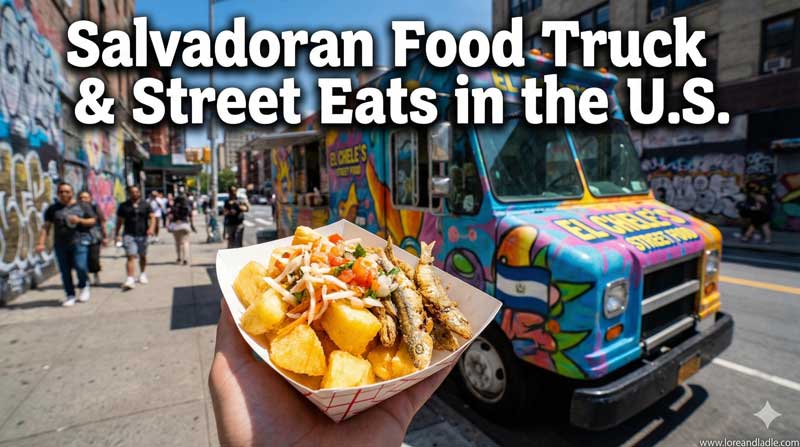
Late-night pupusa runs bring a distinct rhythm to the street. A truck hums to life, the sizzle of a hot comal fills the air, and a steady line of hungry seekers forms. The act of cooking and serving becomes a social ritual. People order, wait, share, and compare fillings. The curtido—bright cabbage slaw with vinegar and a touch of chili—adds a crisp counterpoint. Salsa roja offers a gentle heat that cannot overwhelm the soft masa. Together, pupusa, curtido, and salsa create a sensory trio that defines the late-night experience. In this scene, food becomes communal, a point of connection that happens quickly and warmly.
Craft and technique: the artistry behind each bite
The craft of making pupusas lies in balance and patience. The masa must be pliable, not dry, so it holds its shape while cooking. Fillings are prepared with care, ensuring they don’t overpower the masa. When the pupusa is sealed, it cooks evenly, with a light crust on the outside and a tender inside. The key is control: just enough heat, just enough pressure, and a careful turn on the griddle. The result is a resilient, satisfying bite that can carry a spectrum of flavors from cheesy to bean-forward to meaty. This technique showcases culinary finesse in a street-food context, where speed must meet precision.
Filling stories: from cheese to vibrant regional twists
Cheese is a classic favorite, delivering a creamy pull as the bite breaks. Beans offer earthiness and protein, while pork adds a savory depth. Regional twists matter, too. Some pupusas incorporate herbs, mild peppers, or loroco for a floral hint. Each variation expresses local preferences and seasonal ingredients. The beauty lies in how a humble tortilla wrapper and a thoughtful filling come together to tell a small story about place, season, and technique. The improv of late-night menus often leads to surprising combinations that still honor traditional flavors.
Culinary significance: how pupusas map taste and tradition
Pupusas occupy a fundamental space in Salvadoran cuisine. They are versatile, portable, and reliable in texture and taste. The simple masa acts as a canvas for a range of fillings, inviting cooks to adjust flavors while preserving a core identity. in the late-night truck format, pupusas demonstrate culinary adaptability: they travel well, stay warm, and invite quick customization. The pairing with curtido and salsa enhances the overall meal, turning a quick street bite into a balanced, memorable experience. This dynamic illustrates how a regional dish can resonate beyond its borders when prepared with care and presented with openness.
Sensory allure: texture, aroma, and balance
The appeal is sensory and immediate. The aroma of toasted corn meets creamy cheese. The bite delivers a gentle crackle, a soft interior, and a long, satisfying finish. The contrast between the warm pupusa and the cool, tangy curtido elevates the experience. A good pupusa run invites conversation: about technique, about fillings, about where the ingredients come from. The clarity of flavors and the reliability of texture give comfort and confidence to new tasters and seasoned fans alike.
Cultural value in everyday life: nourishment as hospitality
Pupusas carry cultural value through everyday practice. They are food that welcomes, sustains, and invites sharing. The late-night pupusa run makes this value visible in the city’s nocturnal hours. It shows how a community gathers around a simple dish, how cooks respond to appetite with skill, and how patrons appreciate careful preparation. In this sense, the pupusa is more than a snack; it is a vessel of hospitality and a reminder that good food can feel both familiar and exciting at once.
Why U.S. foodies are taking notice
For food lovers in the United States, pupusas offer clarity and comfort. They present a direct line from traditional technique to modern appetite. The format is approachable: a single masa-based disk that can be enjoyed on the street or at a table. The late-night setting adds a social layer—an after-hours discovery that pairs well with beverages, conversation, and a shared table. The dish’s authenticity shines through in the balance of texture and flavor, inviting curious tasters to explore more of Salvadoran cuisine. In short, pupusas welcome new diners into a kitchen they may not have visited before, with an easy, respectful entry point.
A respectful, inviting culinary experience
As an introduction to Salvadoran flavors, late-night pupusa runs offer an inviting doorway. The preparation emphasizes quality ingredients, thoughtful fillings, and careful cooking. The experience respects the craft and the diners alike. For many, the first bite is a gentle invitation to learn more about the culinary landscape behind this beloved dish. The tone remains warm, curious, and appreciative, inviting all readers to savor the moment rather than rush past it.
Conclusion: a simple delight with lasting resonance
The late-night Salvadoran food truck pupusa runs stand out because they celebrate a dish that is both humble and refined. The masa’s versatility, the care of fillings, and the accompaniment of curtido and salsa together create a balanced, satisfying experience. This dish wins over U.S. foodies not just by taste, but by storytelling through flavor and texture. It invites a leisurely appreciation of technique, tradition, and shared meals. In the end, the pupusa reflects a food culture that values warmth, craft, and community—one hot plate at a time.