
Welcoming Pupusas: A Bright Glimpse into a Beloved Snack
Pupusas begin with soft masa that feels warm in the hands. They are stuffed with cheese, beans, or vegetables, then browned on a plancha until the outside glows with a light crust. As pupusa trucks pop up across U.S. neighborhoods, we see a daily ritual unfold: a small wheel of dough, a generous filling, a shared moment, a smile. This post celebrates their cultural value and culinary significance. It invites readers to notice how the dish honors technique, seasonality, and community. The scene on a street corner—steaming tortillas, savory aroma, voices swapping recipes—becomes a tiny festival of flavor and craft. Simple ingredient swaps can lighten the dish without dimming the heart of what makes pupusas special.
The Cultural Value and Culinary Significance of Pupusas
Pupusas are more than a snack; they are a canvas for texture and taste. The corn masa carries memory and skill, shaped by hands that know how the dough feels when it is right. Fillings tell stories of farmers, markets, and seasonal produce. When trucks serve pupusas, they offer a bite of tradition that travels with the cook’s method and the customer’s curiosity. The beauty lies in balance: the masa’s mild sweetness, the melt of cheese, the creamy beans, and the brightness of herbs or salsa. Each bite invites conversation about technique, texture, and timing. The trucks make this craft accessible, turning a kitchen table into a street-side classroom where tradition meets everyday life with warmth and care.
Simple Ingredient Swaps to Lighten Up pupusa trucks popping up across U.S. neighborhoods
Lightening up pupusas can honor their spirit while offering gentler options. Here are simple, practical swaps:
– Cheese: use queso fresco or panela, or mix a lighter cheese with a little mozzarella for stretch. Reduce the cheese amount and let the fillings carry more of the flavor.
– Beans and greens: pair mashed black beans with sautéed vegetables like spinach, zucchini, or bell peppers to add volume and brightness without excess fat.
– Vegetables: add finely chopped vegetables to the filling—corn, peppers, or loroco—to boost texture and color.
– Oils and fats: grill on a hot nonstick plancha with minimal oil. An optional light spray can crisp the exterior without heaviness.
– Salsas and toppings: finish with fresh pico de gallo, tomatillo salsa, or a citrusy cilantro-lennon dressing to brighten every bite.
– Fillings balance: alternate meat with plant-forward fillings, preserving the savory depth while cutting richness.
– Dried vs fresh: use fresh herbs and vegetables where possible to avoid heavy sauces.
– Serving style: offer a side of crisped vegetables or a small avocado slice to add creaminess without extra fat.
These swaps keep the texture lively, honor traditional flavors, and offer lighter choices for fans of the trucks.
Dough and Texture: The Heart of Lightness
The dough, masa, is the backbone of lightness. Hydration matters. A dough that is too stiff can feel heavy, while a well-hydrated, pliable masa yields a lighter bite. Resting the dough briefly helps it relax and develop a gentle crumb. When shaping, aim for even discs that are not too thick; uniform thickness promotes even cooking and a delicate exterior. A hot, dry plancha gives a quick sear, forming a subtle crust without needing extra oil. These tiny adjustments honor the craft and keep the pupusa approachable for many cooks and snackers.
Filling Spotlight: Beans, Vegetables, and a Hint of Loroco
Beans bring creaminess and protein, while vegetables bring color and crunch. Loroco, a fragrant herb bud used in Central American cooking, adds a gentle, floral note that brightens the filling. Vegetarian and lighter fillings encourage experimentation, inviting cooks to balance earthiness with fresh elements like cilantro, onions, and peppers. Whether nestled with cheese or paired with beans, these fillings celebrate harmony between the masa and the interior. Each combination has a voice, and the best ones feel both familiar and new.
Cooking Techniques: Crisp, Soft, and Light
The goal is a crisp exterior with a soft, tender inside. Use a well-preheated plancha or heavy skillet. Cook each pupusa until the edges turn light brown and the center shows a gentle give. A light touch with oil ensures the crust forms without grease. If you crave extra crunch without heaviness, finish on a hot surface for a few seconds longer. For a modern twist, some cooks lightly air-fry the assembled pupusas, achieving a crisp finish with less oil. The key is steady heat and mindful timing, which preserve flavor while keeping the texture lively.
The Truck Experience: Craft, Community, and Colorful Flavors
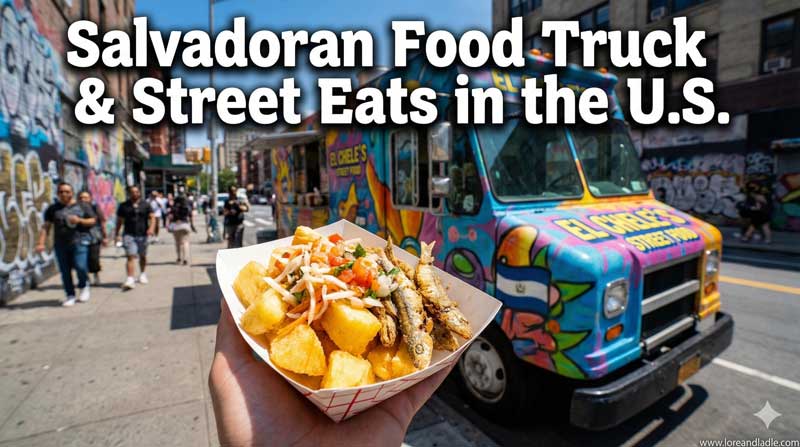
Pupusa trucks bring a vivid sense of place to urban streets. The cooks’ hands move with practiced rhythm, a dance of turning, filling, and sealing. The sauce choices, the variety of fillings, and the aroma invite curiosity and delight. Sharing a pupusa becomes a moment of connection—neighbors meeting, friends catching up, and new flavors crossing paths. This culinary microcosm shows how food travels beautifully through a city, maintaining its integrity while embracing new audiences. The result is a chorus of colors, textures, and scents that celebrate everyday dining as a shared art.
Practical Tips for Home Practice
- Start with a soft masa dough and adjust hydration gradually for a pliable, not sticky, texture.
- Use light cheese or a cheese-bean blend to maintain flavor with less fat.
- Keep a hot, dry plancha or skillet ready for a quick, oil-light sear.
- Experiment with fresh salsas and chopped vegetables to brighten fillings.
- Try loroco or fresh herbs for a lift in aroma and taste.
- Pair pupusas with bright toppings like salsa verde or pico de gallo to add freshness.
Embracing Tradition with Lightness
The beauty of pupusas lies in their balance of heritage and adaptability. Simple ingredient swaps let kitchens and trucks alike honor the dish’s core flavors while welcoming lighter options. Each pupusa becomes a small celebration of technique, ingredients, and shared meals. As you explore these trucks across neighborhoods, you’ll notice how the dish invites curiosity, fosters skill, and brightens everyday dining. Enjoy the journey—from dough to filling to the first bite—and savor the sense of place that pupusas bring to the table.