
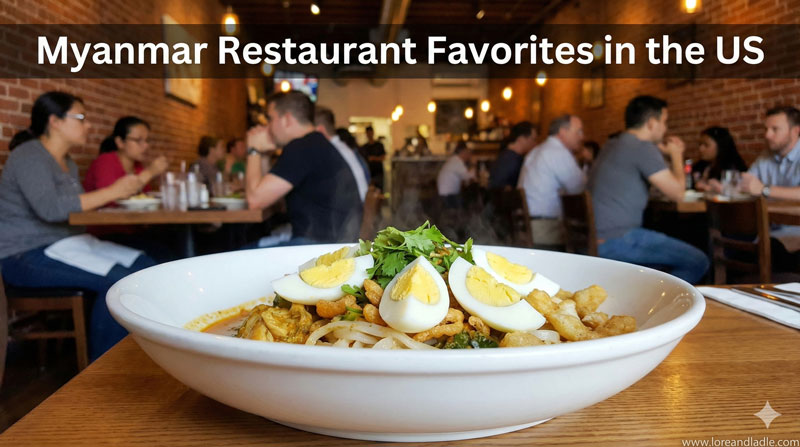
Introduction: A Window into Burmese Flavor in Modern Kitchens
This post introduces “Make-Ahead Myanmar Restaurant Favorites in the U.S. Perfect for Meal Prep.” The phrase captures a graceful idea: beloved Burmese dishes adapted for home cooks and busy weeknights. The goal here is to celebrate cultural value and culinary significance. These meals reflect care, balance, and a spirit of sharing that is central to Burmese dining. You will find how flavors, textures, and cooking methods come together to create meals you can prepare ahead and enjoy with ease. The tone stays warm, respectful, and focused on the beauty of the dishes themselves.
The Heart of Burmese Hospitality and Flavor
Burmese food speaks in a gentle harmony. Aromatics like garlic, ginger, lemongrass, and turmeric form a welcoming base. Fresh herbs, lime, and pickled elements add brightness. Saffron-tinted curries, coconut milk sauces, and fish sauces mingle with roasted seeds and crisp toppings. This combination tells a story of regional diversity meeting shared tables. When you make these favorites ahead, you honor the balance that Burmese cooks seek: savory depth, a bright lift, and a comforting, lingerable finish. The cultural value lies in how meals invite conversation, memory, and seasonal ingredients into daily life without fuss. That spirit translates well to a modern kitchen that values meal prep with joy and respect.
Flavor Foundations: Techniques That Travel Well
Burmese cooking centers on layering, not racing. Slow simmered curries deepen in flavor. Noodle and rice dishes gain character from quick wok tossing. Fresh herbs are added at the end for a lift rather than a heavy finish. Pickles and crunchy toppings provide textural contrast that stays appealing even after refrigeration. These techniques travel well to U.S. kitchens because they emphasize plan-ahead steps with rewarding results. You can braise, simmer, and chill components, then assemble a vibrant plate in minutes. The culinary significance here is practical artistry: complex tastes built through stepwise methods that preserve aroma and brightness.
Core Dishes You Might Make Ahead: A Taste of Myanmar at Home
- Hearty curries and coconut sauces: Simmer a flavorful base, then store it for reheating. The richness remains, and you can brighten it with fresh herbs just before serving.
- Noodle and rice bowls: Cook grains or noodles in advance, keep toppings on the side, and reheat with a splash of broth or coconut milk. This preserves texture and freshness for a quick plate.
- Salads and pickles: Lahpet (tea leaf salad) and crunchy vegetable pickles can be prepped ahead and layered on top just before eating. The contrast of textures stays lively.
- Crispy or battered bites: Lightly fried or baked fritters and fritter-like components hold up well in the fridge. Reheat briefly for a crisp edge.
- Fresh herb sauces and condiments: Chopped herbs, lime zest, garlic oil, and chili paste can be prepped in advance. They finish dishes with brightness at serving time.
The beauty of these choices is that each component can be prepared in stages. Then, when the day arrives, you combine and present with the ease of a well-timed meal. This forward-thinking approach reflects a cultural emphasis on thoughtful preparation that honors ingredients and neighbors who share the table.
From Market to Table: Freshness, Balance, and Respect
Burmese cuisine shines when ingredients are treated with care. Fresh greens, citrus, and chilies provide balance to richer elements like coconut milk and fried toppings. In meal prep, you can buy only what you need for a few days, then rotate flavors to keep dishes exciting. This approach respects seasonal produce and avoids waste. It also underlines the cultural value of generosity: meals are meant to be shared, and planning ahead helps a cook welcome friends and family with minimal last-minute stress.
Practical Tips for Making These Favorites in the U.S.
- Build flavor layers in stages: start with a base of aromatics, add a sauce or curry, finish with bright herbs and a crisp topping.
- Store components separately: keep grains, proteins, vegetables, and condiments in labeled containers for quick assembly.
- Reheat gently: warm sauces and curries slowly to preserve texture and aroma.
- Reserve fresh garnishes for serving: a handful of herbs, lime wedges, and fried toppings should be added after reheating.
- Plan around spice and salt: you can adjust heat and salt at the end to suit your palate, keeping the dish vibrant.
These steps help preserve the cultural essence of Burmese cooking while making it accessible to home cooks in the United States. The result is a meal that feels both authentic and practical, a bridge between tradition and contemporary life.
The Cultural Rhythm of Burmese Meals: Pace, Pleasure, and Sharing
In Burmese dining, meals unfold with a rhythm. People gather, aromas rise, and plates are shared in a relaxed flow. The make-ahead approach honors that rhythm by ensuring that cooking is a pleasure rather than a burden. It invites cooks to create a table where every dish holds a moment of aroma, texture, and taste. The cultural significance here is about hospitality as a daily practice—inviting others to enjoy simple, well-prepared dishes that celebrate flavor and care. When you adopt these favorites for meal prep, you participate in a living tradition that values patience, balance, and the joy of giving a thoughtful meal.
A Final Note: Embracing Burmese Flavor in American Homes
“Make-Ahead Myanmar Restaurant Favorites in the U.S. Perfect for Meal Prep” is more than a list of dishes. It is an invitation to explore Burmese culinary artistry through practical, time-saving choices. The dishes embody a culture of hospitality, balance, and flavor that resonates across kitchens and communities. By embracing make-ahead methods, you preserve the essence of Burmese cooking while fitting into modern routines. The result is meals that feel timeless, approachable, and deeply satisfying.
If you begin with a few reliable components, you can build dozens of variations. Start with a fragrant curry base, layer in noodles or rice, add a crisp topping, and finish with fresh herbs and a bright squeeze of lime. Over time, you will discover your own favorite combinations, all while honoring the culinary significance of these Myanmar favorites. The journey is delicious, respectful, and wonderfully communal.