
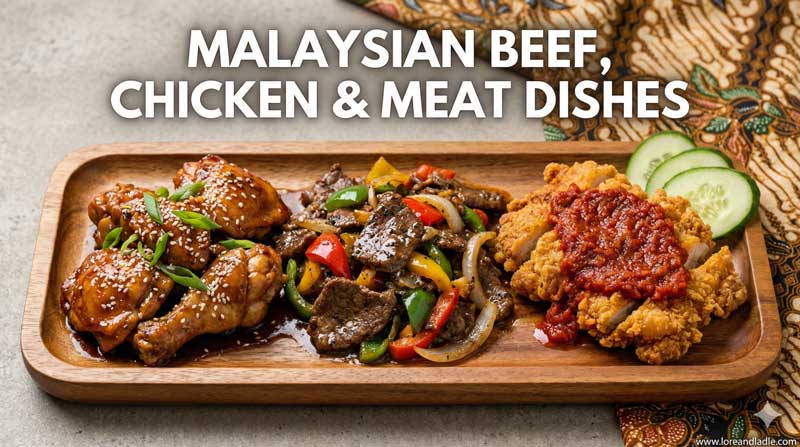
A Dish That Speaks of Malaysian Tables
Soy-braised beef, just like the dishes you see in a Malaysian restaurant, is more than a plate. It is a celebration of balance, aroma, and shared moments around the table. The dish invites lively conversation and quiet appreciation in equal measure. Its appeal lies in how simple ingredients come together to tell a larger story about taste, craft, and hospitality.
Cultural Value in Malaysian Cuisine
Malaysian cuisine shines when many flavors meet in harmony. This dish embodies that harmony through soy, sweetness, and spice, all woven with care. It speaks to the importance of patience in cooking, since braising transforms tough cuts into tender bites with deep, layered notes. It also highlights the warmth of everyday dining—how a family kitchen, a home-cooked pot, or a restaurant pan can create comfort for many people at once. The dish is a bridge between Home Cooking and a dining room experience, making it a familiar favorite across generations. Finally, it reflects the pride of Malaysian kitchens in using versatile ingredients to craft different textures—from glossy glaze to succulent meat—within a single meal.
Core Flavors and Techniques
Key flavors center on umami, sweetness, and spice, all balanced for a well-rounded profile. The soy sauce provides depth and savor. A touch of sweetness from palm sugar or brown sugar helps round the finish. Aromatics such as garlic, ginger, and scallions lift the dish with bright notes. Star anise and cinnamon bring a fragrant warmth that is distinctively comforting. A light amount of chili can add gentle heat if desired. Techniques focus on slow braising, which lets the meat absorb the spice-and-sauce sinuously. This method also allows the glaze to thicken and cling to each piece, enhancing the overall texture and aroma. The result is meat that feels both hearty and refined.
The Craft of Slow Braising
Braising is a trusted craft in Malaysian home kitchens and restaurants alike. The process starts with searing the beef to develop a caramelized crust. Then aromatics are added to bloom their aromas. A seasoned braising liquid—soy-based with a hint of sweetness and spice—brings everything together. Gentle simmering for a long period breaks down connective tissue, yielding tender bites and a glossy glaze. As the sauce reduces, its flavors become more concentrated, coating the meat with a luscious sheen. This patience mirrors the care given to many cherished dishes, where time itself is a flavor enhancer.
Sensory Experience and Community
The first impression is aroma: garlic and ginger meeting soy with a sweet, spiced undertone. The color is inviting—a deep, caramel glaze that hints at the depth of flavor to come. When tasted, the meat should feel tender, with a silky texture and a savory-sweet balance that lingers on the palate. The dish invites sharing, whether at a casual family dinner or a refined restaurant setting, reinforcing the social role of food. The overall experience reinforces a culture that values precise technique, thoughtful ingredient use, and the joy of savoring a well-made dish together.
How to Make Soy-Braised Beef Like a Malaysian Restaurant
- Start with a good-cut beef, such as chuck or short ribs, and pat it dry. This helps brown the meat for a rich base flavor.
- Sear the beef in a hot pan until a caramelized crust forms on all sides.
- Remove the beef and add aromatics: sliced garlic, grated ginger, and chopped onions if you like. Let them bloom briefly.
- Return the beef to the pot and pour in soy sauce and a touch of dark soy for depth. Add a small amount of stock or water to reach braising depth.
- Stir in a bit of palm sugar or brown sugar, along with spices such as star anise and a cinnamon stick.
- Cover and simmer gently until the meat is tender and the sauce thickens to a glossy glaze.
- Finish with a splash of sesame oil and a handful of chopped scallions for brightness.
- Let the dish rest briefly, then serve with rice or steamed vegetables.
Pairings and Presentation
This dish pairs beautifully with plain steamed rice that lets the glaze do the talking. Fresh greens or a simple cucumber salad provide a crisp counterpoint. A light chili oil or sliced chilies can offer a gentle zing for those who enjoy heat. Present the meat with some of the glossy sauce poured over, and garnish with scallions for color and freshness.
Closing Thoughts
Soy-braised beef in the Malaysian style showcases how a dish can be both comforting and sophisticated. It honors skillful technique, thoughtful ingredient choices, and the joy of sharing food that feels like home. In every bite, you sense a celebration of Malaysian flavors and culinary craft, inviting readers to explore and savor this beautiful part of the food culture.