
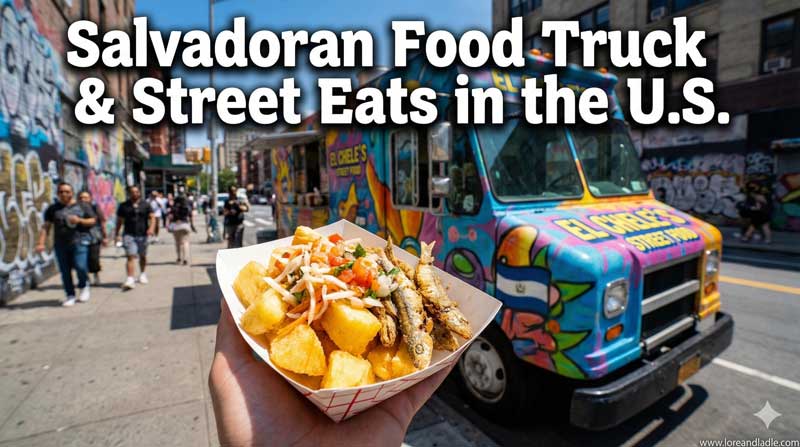
Meal Prep Friendly late-night Salvadoran food truck pupusa runs You Can Reheat All Week is a delicious example of how street cooking can become a cherished weeknight ritual. This dish brings together simple ingredients, precise technique, and a sense of community that shines long after the clock strikes midnight. In this post, I explore its cultural value and culinary significance with warmth and care.
Introduction
Pupusas are a core part of Salvadoran food culture. They blend corn masa, skillful shaping, and flavorful fillings into a small, sturdy cake that travels well and reheats with charm. The version described here—Meal Prep Friendly late-night Salvadoran food truck pupusa runs You Can Reheat All Week—highlights how street food can adapt to modern routines. The result is comfort, tradition, and practicality in one bite.
The Pupusa as a Culinary Canvas
The heart of the dish is the masa, a silky dough made from ground corn. Hand-pressing creates a round, flat cake that seals in moisture and flavor. Fillings vary, but cheese is a classic, fruitfully melted and soft. Beans, pork, or combinations add depth. The cook’s touch—how long to cook, How to gently flip—defines texture. The pupusa becomes a canvas for technique as well as taste.
Flavor, Texture, and Juzgado Harmony
Two key traits stand out. First, the contrast between a lightly crisp exterior and a tender, chewy interior. Second, the savory melt of cheese or the savory pop of beans inside. When paired with curtido, a bright, lightly pickled slaw, and a simple tomato salsa, the pupusa offers a balanced chorus of flavors. This harmony shows how Salvadoran cooks use modest ingredients to achieve depth. The result is both comforting and exciting to the palate.
The Late-Night Street Experience and Cultural Value
Late-night pupusa runs bring a sense of place and timing to the table. A mobile kitchen on a street corner, a family recipe handed down with pride, friendly waves from the vendor—the scene feels welcoming. The pupusa becomes more than food; it is a social ritual. People gather for a quick bite, and the aroma travels through the air, inviting others to pause and share. In this way, the dish acts as a bridge between meal moments and social connection.
Meal Prep Friendly: Practical Significance
This version is designed for a busy week. It travels well, reheats cleanly, and preserves its character. Store leftovers in an airtight container, then reheat on a dry skillet to restore a gentle crisp. The cheese should melt easily again, and the masa should remain tender. This practical approach shows how traditional food can fit modern rhythms without losing soul.
Craftsmanship Behind the Counter
The skill of the pupusa maker shines in the press, the seam, and the sizzle. A steady hand and a careful eye ensure even cooking. The griddle heat must be steady to avoid burning or undercooking. The vendor’s rhythm—prep, press, cook, flip, and rest—creates a reliable result every time. This discipline respects the dish’s heritage while inviting new cooks to learn.
Ingredients and Sourcing: A Respectful Palette
Classic fillings underscore a simple, honest pantry. Fresh masa harina, soft cheese, and wholesome beans form the base. Seasonal herbs or peppers can brighten the blend without overshadowing tradition. Choosing quality ingredients honors the dish and the hands that prepare it. This approach keeps the food accessible and vibrant for everyday enjoyment.
Reheating Tips for All-Week Enjoyment
- Reheat in a dry skillet over medium heat to restore crispness.
- Cover briefly to help the interior warm evenly.
- Serve with curtido or salsa on the side for brightness.
- Pack fillings separately if needed to maintain texture.
These tips help preserve the dish’s charm across several days.
Conclusion
Meal Prep Friendly late-night Salvadoran food truck pupusa runs You Can Reheat All Week celebrates a dish that thrives on simplicity, craft, and communal joy. It honors the traditional technique of masa and filling while embracing daily life through practical reheating. The result is a warm reminder of Salvadoran culinary artistry, ready to savor any night of the week.