
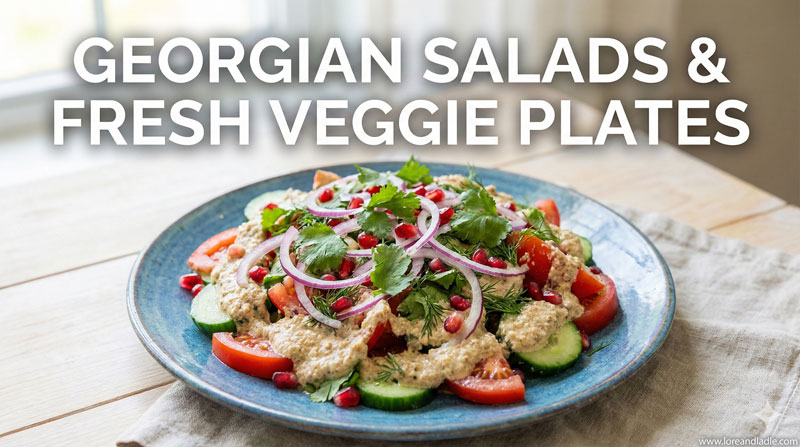
Introducing the mixed pkhali platter Meal Prep Ideas for the Week
Today, I invite you to explore a dish that blends color, texture, and reverence for seasonal produce. The mixed pkhali platter Meal Prep Ideas for the Week showcases several pkhali varieties on one vibrant board. It is a celebration of fresh vegetables, nutty sauce, and careful technique. This platter feels welcoming at a family table and inspiring for weeknight meals. It blends tradition with practical meal prep, so you can enjoy a small feast every day.
What is pkhali?
Pkhali is a Georgian classic. It starts with vegetables mashed or finely chopped, then folded into a creamy walnut sauce. Garlic, herbs, and a squeeze of lemon brighten each bite. Common varieties include spinach pkhali, beetroot pkhali, and eggplant pkhali, among others. Each version preserves the vegetable’s character while embracing the richness of walnuts. The result is a smooth, lively spread that lends itself to layering on bread or serving as a dip. The technique is accessible, yet deeply rooted in regional pantry traditions.
A platter that sings with texture and color
The mixed pkhali platter offers contrast. Creamy walnut blends meet bright vegetables in pink, green, and caramel tones. Spinach and beetroot provide earthy sweetness, while eggplant adds a smoky depth. Crunchy herbs and a drizzle of olive oil finish the plate. This variety makes the platter visually inviting and satisfying to the palate. Each spoonful balances nutty creaminess with a crisp bite from fresh herbs and vegetables. The result is a harmonious mosaic you can savor in sequence or all at once.
Cultural roots in Georgian cuisine
Georgian cuisine values generosity and shared meals. Pkhali often appears at festive gatherings and everyday meals alike. The dish embodies the region’s resourceful use of vegetables and nuts. A suprа, a cornerstone of Georgian dining, frequently presents pkhali as part of a broader spread. In that setting, cooks layer flavors and textures to encourage conversation and connection. The mixed pkhali platter fits perfectly into this spirit, inviting friends and family to explore a range of flavors in one sitting.
The heart of the sauce: walnut and herb blend
The walnut sauce forms the soul of pkhali. Walnuts bring depth, protein, and a silky texture when ground finely. Garlic adds warmth, while herbs such as cilantro and dill lift the mix with brightness. A touch of lemon or pomegranate juice can balance richness with acidity. The sauce is easy to customize: you can adjust garlic strength, herb mix, and citrus to suit your tastes. When you spread it on each vegetable, you create a cohesive plate that still lets each element shine.
Meal prep strategy for the week
Begin by choosing two or three pkhali varieties for your week. Prepare the vegetables by steaming, roasting, or boiling until tender. Purée or mash each vegetable, then fold in a separate walnut-herb sauce. For the mixed platter, portion each variety into small containers. Keep the walnut sauce in its own container to preserve color and texture. When you assemble meals, place a spoonful of each pkhali on your plate and drizzle with a little olive oil. Refrigerate the containers promptly; plan for up to four days of freshness. If you like, you can freeze portions after first cooling with a note that texture may change slightly upon thawing.
Flavor boosters and serving ideas
Enhance the platter with a bright citrus note by adding lemon zest over the top just before serving. A sprinkle of fresh dill or chopped cilantro lifts the aroma. For color and crunch, scatter pomegranate seeds or toasted sesame seeds. Serve with warm flatbread, rustic whole-grain bread, or crispbread. A few pickled vegetables on the side add a tangy contrast. This approach keeps the dish lively and balanced across meals.
Nutritional and culinary significance
Pkhali emphasizes plant-forward cooking with wholesome fats from walnuts and a bounty of vegetables. The dish supplies fiber, healthy fats, and plant-based protein, suited to varied diets. Its preparation encourages mindful chopping, gentle heating, and careful mixing—skills that elevate everyday cooking. The platter format also highlights the beauty of seasonal produce and the idea that a meal can be shared and enjoyed in stages. In this way, the mixed pkhali platter becomes more than food: it’s a ritual of nourishment and appreciation.
Serving it with care
When you present the platter, arrange the varieties in a rainbow-like arc. Place a small bowl of walnut sauce nearby so guests can dip as they wish. Offer fresh herbs on the side so diners can customize flavors. A clean, bright plate and minimal garnish help the colors speak for themselves. With care in assembly and timing, the dish shines whether you share it at a casual lunch or a formal gathering.
Final reflections
The mixed pkhali platter Meal Prep Ideas for the Week invites steady enjoyment over several days. It honors tradition while lending itself to modern meal planning. The combination of nutty sauce, vibrant vegetables, and careful technique celebrates the beauty of Georgian-style vegetarian cuisine. By preparing a few varieties ahead, you ensure a week of flavorful, nourishing meals that feel both comforting and refined. This platter stands as a reminder that food can be a canvas for culture, craft, and connection.