
An Everyday Symbol of Uzbek Hospitality
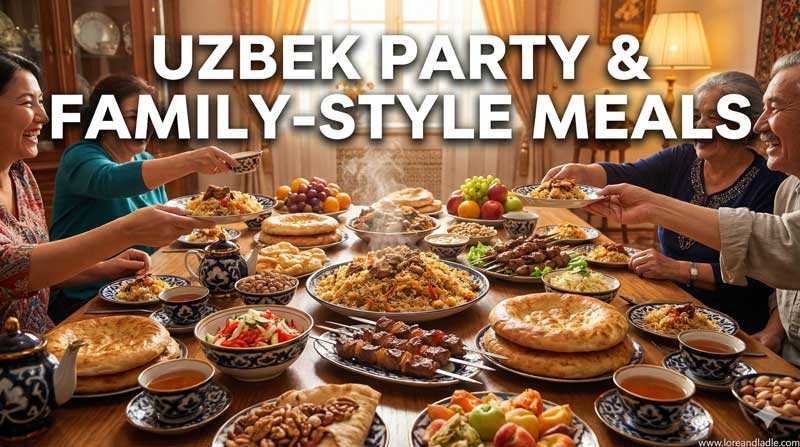
Achichuk is more than a salad in Uzbek kitchens. It arrives at the table with bright color and crisp texture, signaling warmth and welcome. In party and family meals, this dish sits near the center, ready to refresh the palate between bites of plov, kebab, and bread. The act of sharing achichuk reflects a culture that values generosity, conversation, and togetherness. Each slice and leaf tells a quiet story of care for guests and family alike.
Fresh, Local Ingredients as a Cultural Palette
The beauty of achichuk lies in its ingredients. Ripe tomatoes, sharp onions, and fresh herbs come from the rhythms of the seasons and the markets. Dill, cilantro, and green parsley add aromatic brightness, while a touch of citrus or a gentle splash of oil ties the flavors together. Local produce speaks of sun, soil, and daily life. The salad becomes a living portrait of how Uzbek cooks honor what the garden and the market offer, turning simple elements into something celebratory.
A Modern Take: Respectful Innovation
The modern take on achichuk keeps the heart of the dish intact while inviting new textures and color. Thinly sliced onions and tomatoes mingle in a bright, herb-studded bed. A light dressing—often olive oil with lemon juice, a touch of salt, and a hint of acidity—lifts the flavors without masking them. Some cooks add delicate twists, such as micro herbs, pomegranate arils for a shine of sweetness, or a whisper of citrus zest for aroma. These adjustments honor tradition while inviting contemporary tables to savor the same sense of welcome in new ways.
The Social Thread: Family-Style Dining
Achichuk thrives in a communal setting. Served in a wide bowl, it invites guests to scoop with bread and share in the moment. The salad acts as a bridge between courses, brightening the table between rich pilaf and grilled meats. In Uzbek households, meals are often a time for stories, laughter, and connection. The salad’s freshness supports that spirit, making every gathering feel more vibrant and inviting.
Culinary Significance: Balance, Technique, and Flavor
Culinarily, achichuk showcases balance and restraint. The crisp onion layers contrast with the juicy tomatoes, while the herbs unify the plate with herbal brightness. The dressing brings harmony, ensuring acidity, oil, and salt sing in unison rather than overpowering the ingredients. The technique—careful slicing and even distribution—reflects a respect for ingredients and for the guests who will taste them. The dish teaches that simplicity, prepared with attention, can hold a depth of flavor and cultural meaning.
Plating, Pairings, and Table Moments
Presentation matters in celebrating culture through food. A shallow, wide dish allows the colors to spread and sing. Fresh herbs sprinkled on top provide aroma before the first bite. Pair achichuk with warm lavash or other breads to dip and gather flavors. It also pairs beautifully with grilled meats or plov, offering a refreshing counterpoint. Tea, served alongside, invites long conversations and shared enjoyment. The table becomes a stage where every bite reinforces hospitality and care.
A Living Tradition: Why This Modern Take Matters
This modern interpretation keeps the essence of Uzbek food alive: bright produce, balanced flavors, and a spirit of generosity. By embracing fresh ingredients and gentle twists, the dish remains approachable for today’s gatherings while honoring timeless homemaking. It becomes a bridge between generations, offering a bridge of taste that families and friends can share with similar delight year after year.
In Closing: The Flavor of Togetherness
The modern take on Achichuk Salad is more than a recipe. It is a reflection of Uzbek cultural values: hospitality, seasonal abundance, and the joy of shared meals. It invites cooks to honor tradition while welcoming thoughtful modern touches. When you taste it at a party or a family meal, you experience not just herbs and vegetables, but a sense of warmth and belonging that makes every gathering memorable.