
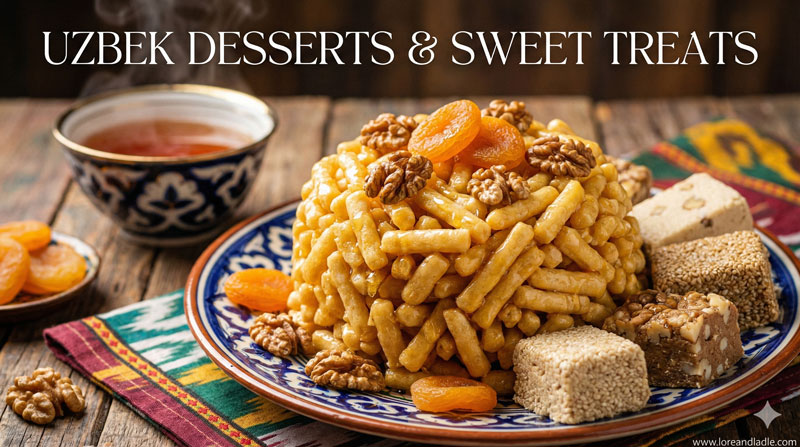
Modern Take on Kebab – Uzbekistani Desserts & Sweet Treats Flavor You’ll Love
This dish blends the bold sensibility of kebab with the gentle sweetness of Uzbek desserts. It invites curious eaters to explore how a traditional method can carry dessert possibilities. The result is a celebration of craftsmanship, hospitality, and seasonal flavor. In this post, I’ll focus on the cultural value and culinary significance that make the dish more than a recipe.
The Heartbeat of Uzbek Dessert Culture
In Uzbek kitchens, sweetness often completes a meal with harmony rather than dominance. Desserts appear at family gatherings, after tea, and during festivals, signaling care and welcome. This modern kebab adapts those traditions by pairing caramelized, fruit-forward notes with a smoky finish. The dish shows how Uzbek cooks honor balance: bold heat meets delicate sweetness, and simple ingredients become memorable rituals. The result is a dish that feels both familiar and exciting, inviting everyone to share in a small moment of joy. Hospitality shines when skewers are passed around with smiles and conversations flow as freely as the tea.
A Modern Twist, Rooted in Tradition
Chefs apply classic kebab techniques to dessert-inspired flavors. They grill fruit or lightly sweetened meat with a glaze made from honey, rosewater, or saffron. This approach preserves the pride of the grill while nodding to Uzbek dessert influences like dried fruits and nuts. The skewers transform through caramelization, creating a glossy finish that catches the eye and the palate. The smoke from the grill carries a whisper of the landscape where orchards and fields meet city streets. In short, the modern take respects technique and feeds curiosity, turning a savory ritual into a sweet celebration.
Ingredients That Tell a Story
Key components include seasonal fruits, such as ripe peaches or apricots, bright with native sun. Dried fruit like apricots and raisins adds chewiness and depth. Nuts such as pistachios and hazelnuts provide crunch and richness. A honey-syrup glaze with a touch of rosewater or saffron weaves floral notes through the dish. A light yogurt or tahini drizzle can balance sweetness with tang and creaminess. Each ingredient carries a memory of Uzbek farms, markets, and home kitchens, turning ordinary items into cultural symbols. The combination of fruit, nut, and spice illustrates how Uzbek cuisine layers flavors with intention.
Techniques That Elevate Flavor
Fire, temperature control, and timing matter. Chefs sear the skewers to seal juices, then finish with a gentle glaze that caramelizes on contact. The glaze clings softly, releasing perfume as it heats. Resting the skewers briefly lets flavors mingle without overpowering the sweetness. Precision matters, but so does intuition—the sense of when fruit is perfectly tender and the crust is lightly charred. Presentation matters, too; a platter of glossy skewers with crushed nuts looks festive and inviting. These techniques make a simple bite feel polished and thoughtful.
The Social Arc of Sharing
Food in Uzbek culture often centers on sharing and conversation. Friends and family gather around the table, exchanging stories and tea. This dish supports that social dynamic by offering easy, shareable portions. Guests pick up skewers, savor a balanced bite, and pass the rest along with smiles. The act of serving becomes an act of hospitality itself. In this way, the dish acts as a bridge between generations and tastes, inviting older cooks to teach and younger guests to explore.
Regional Notes: Variations Across Uzbek Tables
Across cities like Samarkand, Bukhara, and Tashkent, small differences shape the dish. Some versions emphasize a stronger honey glaze, while others lean into rosewater or saffron for aroma. The choice of fruit may reflect local harvests, producing subtle regional twists. Nuts and seeds can vary with what is available, offering a gentle nod to each area’s pantry. Yet the core remains the same: a skewer that marries smoke with sweetness, tradition with innovation, and sharing with memory.
Presenting and Pairing: Tea, Sweets, and Hospitality
Serve the kebabs with a side of light yogurt or a dollop of clotted cream to balance sweetness. Pair them with a fragrant green tea or a mint tea, typical companions in Uzbek homes. The tea cleanses the palate between bites, inviting another round of conversation. If you want a modern finish, a dusting of ground pistachio adds both color and crunch. This presentation keeps the experience elegant without complicating the flavor. The result is a refined, welcoming plate that signals care and warmth.
Why This Dish Resonates Today
This dish honors the past while inviting contemporary sensibilities. It shows how culinary artistry grows from a sturdy foundation of technique and seasonal ingredients. It demonstrates that sweetness need not be separate from depth and complexity. In practice, it celebrates a culture of hospitality, craft, and shared meals. For diners at Home or in a restaurant, it becomes a doorway into Uzbek food culture—visually appealing, politely sophisticated, and deeply comforting. By embracing both tradition and innovation, the dish offers a flavorful reminder of how food can connect people.
A Gentle Invitation to Explore Uzbek Desserts & Sweet Treats
If you’re curious about Uzbek desserts and sweet treats, this modern kebab is a welcoming starting point. It invites you to notice how smoke, fruit, nuts, and honey come together with care. It rewards attention to texture, aroma, and balance. Most importantly, it honors the spirit of Uzbek hospitality: generosity, curiosity, and a joyful table. Whether you cook it at home or enjoy it in a restaurant setting, you’ll taste a culture that honors its roots while embracing new flavors with grace.