
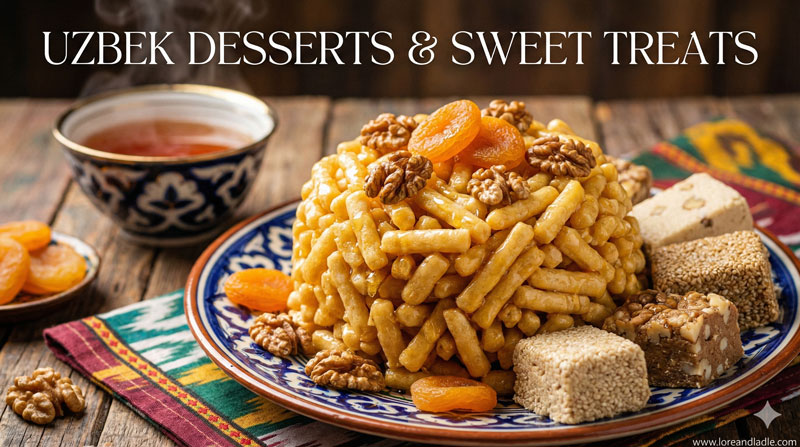
Must-Try Chuchvara – Uzbekistani Desserts & Sweet Treats Flavor You’ll Love
Introduction
Chuchvara is a favorite bite in Uzbek kitchens, small dumplings that reveal big cultural meaning. In Uzbekistan, food is a daily conversation shared across family meals and friendly gatherings. This dish stands at the crossroads of Home Cooking, festivity, and everyday life. Read on to discover the cultural value and culinary significance of chuchvara, a taste that echoes traditions and invites conversation around the table.
What Is Must-Try Chuchvara?
Chuchvara are delicate dough parcels, folded around a filling that often blends meat with onion and herbs. The method of shaping and sealing the dumplings is a craft passed from one cook to the next, with each family adding a personal touch. In many homes, the dumplings are boiled or steamed, then served with a clear broth or a simple herb garnish. The result is a comforting harmony of texture and aroma. While the dish travels across borders, its heart remains distinctly Uzbek, rooted in careful preparation and shared enjoyment.
Cultural Significance at the Table
Food in Uzbekistan signals welcome, respect, and togetherness. Chuchvara embodies that spirit. Families gather to roll dough, mix fillings, and fold the delicate pockets with steady hands. Children learn by watching elders, absorbing the rhythm of the kitchen as generations have done before. Sharing chuchvara strengthens bonds, turning a meal into a memory. This dish appears at family celebrations and regular tea-time alike, always inviting conversation and a sense of belonging.
Regional Echoes: Variations Across Uzbekistan
Uzbekistani kitchens show small yet meaningful differences in chuchvara. In some regions, the dough is rolled thinner, producing a silkier bite. In others, cooks favor a meat filling with a sharper onion note and a whisper of garlic and herbs. Cooking methods vary too: some households prefer a gentle boil, while others simmer the dumplings in a light broth for additional depth. Each variation reflects local tastes, seasonal ingredients, and the careful hands of the cook. Yet the shared technique and the communal act of making them remain a unifying thread.
The Craft Behind the Dumplings
Crafting chuchvara is a study in balance. The dough must be pliable enough to seal without tearing, yet sturdy enough to hold a juicy center. The filling asks for harmony: a little fat, a little brightness from onions and herbs, and a seasoning that respects the meat. Folding plays a central role, requiring patience and precision. The daily practice of shaping and sealing connects cooks to a long lineage of artisans who value texture, aroma, and the gentle release of steam as the dumplings cook. This craftsmanship elevates a simple bite into a cultural artifact.
Flavor, Texture, and Pairings
Chuchvara offers a pleasing contrast: a tender, seam-soft dough encasing a savory filling, joined by a clear, light broth or a bright herb garnish. The aroma is inviting, with onion and meat notes mingling as steam rises from the bowl. The texture delivers a satisfying bite—soft dough giving way to a tender center. While the dumplings carry savory depth, their generous simplicity makes them versatile to pair with tea, herbs, or a faint drizzle of oil and sesame, depending on family style. This balance is part of what makes chuchvara memorable and beloved.
Serving Traditions and Etiquette
Naively, a plate of chuchvara invites spoons and stories. Dishes are often shared from a common platter, echoing hospitality and warmth. A clear broth may be poured over the dumplings or served on the side for dipping, with fresh herbs sprinkled on top. Tea accompanies the meal, turning the moment into an occasion to slow down and savor. The practice of serving chuchvara reflects Uzbek values of generosity, careful preparation, and mindful eating, where every bite is part of a larger, shared experience.
The Flavor You’ll Love: A Cultural Feast
The flavor of chuchvara is more than taste; it is a narrative of home and heritage. The filling carries the memory of markets, rural kitchens, and city kitchens alike. The dough carries the memory of hands that knead, roll, and fold with care. Together, they offer a sensory glimpse into Uzbek culinary aesthetics: balance, patience, and seasonal awareness. Even as tastes evolve, chuchvara remains a centerpiece of social meals, inviting people to celebrate food as a cultural practice.
Conclusion
Must-Try Chuchvara offers more than a satisfying bite. It anchors moments of togetherness, showcases regional variety, and honors a cherished cooking craft. Its cultural value lies in the way it brings people to the table, turning ordinary days into small festivals of aroma, texture, and shared joy. If you seek a dish that speaks with warmth, tradition, and a touch of elegance, chuchvara invites you to listen to Uzbek culinary culture and taste the care that sits at the heart of every bite.