
Must-Try Tandoor Bread – Uzbekistani Drinks & Tea Traditions Flavor You’ll Love
Step into a kitchen where heat from a clay oven wakes the air. The Must-Try Tandoor Bread embodies more than a recipe. It carries the warmth of Uzbek hospitality, the patience of skilled bakers, and a timeless rhythm of meals centered around tea and conversation. This dish invites you to pause, savor aroma and texture, and appreciate how bread can anchor a table and a story.
What makes this bread a cultural jewel
Tandoor bread in Uzbekistan is a beloved everyday staple that shines in its simplicity. The crust gleams with a light char and a gentle kiss of sesame or nigella seeds, while the interior stays soft, tender, and slightly chewy. The balance of textures mirrors a culinary philosophy: modest ingredients, careful technique, and a result that nourishes both body and spirit. The bread acts as a canvas for regional spreads, soups, and stews, yet it also shines on its own as a warm, comforting bite. Its popularity speaks to a culinary culture that values bread as a daily companion, shared and savored with care.
The dough, the dough, and the craft of shaping
The dough often comes together with a few reliable components: flour, water, yeast or a natural ferment, and salt. The magic happens as the dough relaxes, rises, and develops a gentle depth of flavor. Bakers hand-stretch the dough into a round or oval form, then press it toward the glowing walls of the tandoor. The extreme heat and quick bake seal the surface, creating a crisp edge while preserving a fluffy center. The result is bread with a bright aroma, a soft crumb, and a touch of rustic charm. This technique celebrates skill, timing, and a respect for traditional methods that keep the bread rooted in daily life.
The tandoor oven and its warm, ancient voice
The tandoor oven is more than a cooking tool; it is a quiet keeper of technique and atmosphere. Built from clay and heated with wood or charcoal, it creates a distinctive smoky fragrance and a crisp, blistered skin that a home oven can only imitate. Bread pressed to the side walls bakes quickly, taking on a dramatic blistering and an even, ruby-tinged glow. In Uzbek kitchens and bakeries, the tandoor links generations of bakers who pass on practices with care. It is a centerpiece that adds ritual to routine—an audible, aromatic reminder that food can be a shared, ceremonial experience as well as sustenance.
Tea traditions: pairing, pouring, and presence
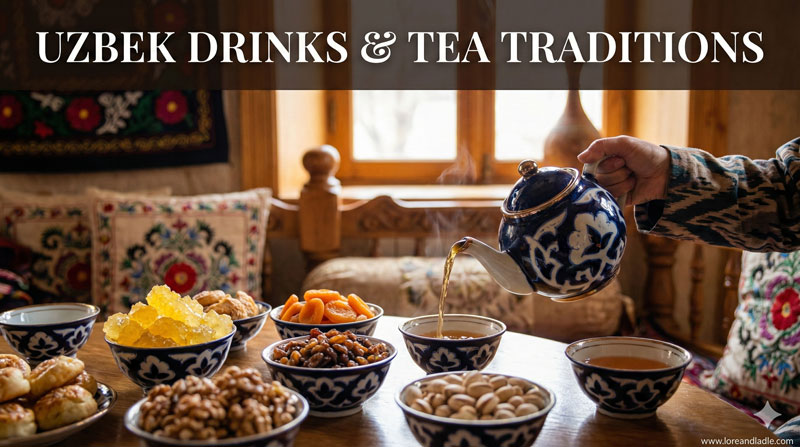
Uzbek tea culture shines through with bright, thoughtful hospitality. Tea—often green tea brewed in a traditional teapot or samovar, sometimes served with a sprig of mint—accompanies meals and gatherings. The tea arrives in small, clear glasses that reveal its warmth and hue. When paired with tandoor bread, the experience feels balanced: the bread’s mild sweetness and toasty notes mingle with the tea’s clean, refreshing lift. This harmony makes each bite and sip linger a moment longer, inviting conversation and a sense of quiet satisfaction.
The ritual of sharing: bread, tea, and welcome
Sharing bread alongside tea is an expression of welcome and care. A platter of warm bread invites guests to break a piece, dip, and pass it around the table. The act of tearing bread, offering a piece to a neighbor, and pouring another round of tea creates a gentle social cadence. In Uzbek culture, such moments reinforce harmony, gratitude, and fellowship. The bread becomes a bridge between plates, friends, and stories, turning a simple meal into a memory.
Regional flavors and subtle variations
Across Uzbekistan, bakers may add tiny variations that honor local tastes. A few seeds on top, a touch of sesame for glow, or a slight difference in dough hydration can give each loaf its own character. Some bakers fold in a whisper of dairy for a softer crumb, while others keep the dough lean for a crisper bite. These small choices reflect pride in craft and respect for regional preference, while keeping the core experience of hot, comforting bread intact. The result is a family of breads that feel both familiar and special.
How to savor this dish today
To enjoy this bread at Home, warm it gently and serve soon after baking. Tear a piece, breathe in the toasty aroma, and notice the contrast between the crisp edge and the tender inside. Sip a cup of Uzbek-style tea, perhaps with a hint of mint, and let the flavors mingle. Use the bread to accompany a bowl of soup, a vegetable stew, or a simple chutney. The bread is versatile, comforting, and perfect for quiet afternoons or lively gatherings alike.
A gentle invitation to explore
This tandoor bread embodies more than taste; it embodies care, culture, and community. Its story is woven through ovens, hands, and shared tables. By enjoying this dish, you participate in a tradition that values warmth, hospitality, and the simple pleasure of a well-made loaf. It’s an invitation to slow down, notice detail, and celebrate the beauty of everyday food.
Closing thoughts
The Must-Try Tandoor Bread offers a window into Uzbek culinary culture—where bread is both staple and ceremony, and tea time is a poised, Heartfelt ritual. Its texture, aroma, and soulful pairing with tea reflect a kitchen’s memory and a table’s generosity. If you seek a dish that speaks of home, craft, and quiet delight, this bread welcomes you with open edges and a warm, comforting heart. Enjoy the journey from dough to table, and let the flavors carry you toward a deeper appreciation of food as culture.