
Introduction
Beginner-Friendly Myanmar Restaurant Favorites in the U.S. to Make at Home invites readers to explore Myanmar’s warm, fragrant flavors through accessible home cooking. This collection highlights dishes that are beloved in Myanmar kitchens and are easy to recreate with common ingredients. Each dish reveals how culture and craftsmanship come together in everyday meals, turning simple ingredients into comforting, meaningful experiences.
Mohinga: A Heartfelt Fish Noodle Soup
Mohinga is a comforting fish soup that centers on a bright, aromatic broth and soft rice noodles. The aroma comes from a gentle blend of garlic, lemongrass, and a touch of turmeric, with the broth enriched by fish stock. Toppings like fried shallots, cilantro, and a squeeze of lime brighten the bowl.
Why it matters for home cooks: Mohinga teaches balance. The broth carries fish flavor without overwhelming the palate, while fresh herbs lift the dish. It’s approachable: you can start with a simple broth and add noodles and toppings as you like. Culturally, many families begin their day with Mohinga or share it as a comforting, everyday meal. Its warmth invites slow savoring and conversation at the table.
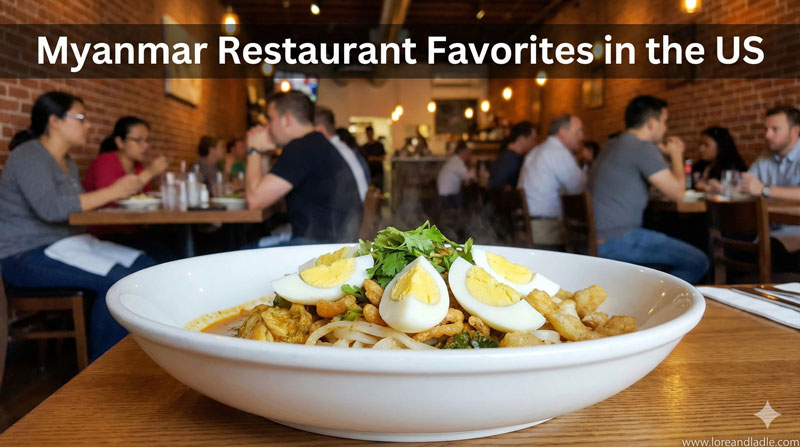
Ohn No Khao Swè: Coconut Chicken Noodle Curry
Ohn No Khao Swè is a creamy, coconut-based noodle curry with tender chicken and silky noodles. The curry blends coconut milk, a mild spice mix, garlic, and tomato, producing a sauce that clings invitingly to each noodle strand.
Why it matters for home cooks: The dish is forgiving and flexible. You can adjust thickness and spice to suit your pantry, making it ideal for Beginners. Its gentle sweetness and bright tang from lime or lemon keep the flavors approachable. Culturally, this dish embodies the gentle harmony that Burmese cuisine seeks between richness and freshness in everyday meals.
Laphet Thoke: Tea Leaf Salad
Laphet Thoke is a vibrant tea leaf salad. Fermented tea leaves provide a unique bright, tangy base, complimented by crunch from cabbage, sesame, roasted peanuts, and bean threads. A simple dressing of lime juice, fish sauce, and a touch of oil ties the flavors together.
Why it matters for home cooks: This salad is a pantry-friendly project that showcases texture and contrast. It’s a standout side or light main that teaches how fermentation can create lively, savory notes without heavy cooking. Culturally, Laphet Thoke is a beloved dish that highlights the craft of balancing tang, salt, fat, and crunch in Burmese meals.
Shan Noodles: Bright Noodle Bowls
Shan noodles feature slender rice noodles topped with a savory, tomato-based sauce and tender meat, finished with fresh herbs, garlic oil, and lime. The result is a lively, aromatic bowl with clear, liftable flavors.
Why it matters for home cooks: Shan noodles are straightforward to assemble and highly customizable. You can use chicken or pork, or make a vegetarian version with mushrooms. The dish shows how Myanmar cooks layer flavors—savory meatiness, a touch of acidity, and a fresh finish—from a few well-chosen ingredients. It’s an inviting introduction to the country’s noodle traditions.
Building a Simple Myanmar-Inspired Home Menu
- Start with Mohinga as a comforting morning or brunch option.
- Add a small bowl of Laphet Thoke as a bright, crunchy counterpoint.
- Pair with Ohn No Khao Swè for a gentle, creamy main.
- Finish with Shan Noodles for a quick, satisfying dinner.
An at-home menu like this emphasizes shared meals and the beauty of harmony in flavors. The dishes invite you to notice how sour, salty, sweet, and fragrant notes mingle to create a complete experience.
Sourcing Ingredients in the United States
- Look for Asian markets that carry Burmese ingredients such as fermented tea leaves, fish sauce, dried shrimp, turmeric, lemongrass, and fresh herbs.
- Online retailers can help fill gaps for specialty items like dried spices or specific noodle styles.
- For substitutes, use accessible items: fresh lemongrass, lime juice, garlic, shallots, and standard rice noodles for Mohinga and Shan Noodles.
- Keep a small pantry of aromatic items—turmeric, sesame oil, and roasted peanuts—to lift flavors quickly.
A Culture of Care in Every Dish
These beginner-friendly dishes reveal how Myanmar cooking thrives on fresh herbs, careful technique, and careful balancing of flavors. They invite cooks to slow down, taste deeply, and honor the beauty of each ingredient. The result is more than food; it is a warm invitation to share a piece of Myanmar’s kitchen craft with family and friends far from home.
Closing Thoughts
Beginner-Friendly Myanmar Restaurant Favorites in the U.S. to Make at Home offers a doorway into Myanmar’s culinary heart. By embracing these dishes, you celebrate flavor, texture, and the quiet artistry that turns simple ingredients into memorable meals. Enjoy exploring, tasting, and sharing these timeless flavors in your own kitchen.