
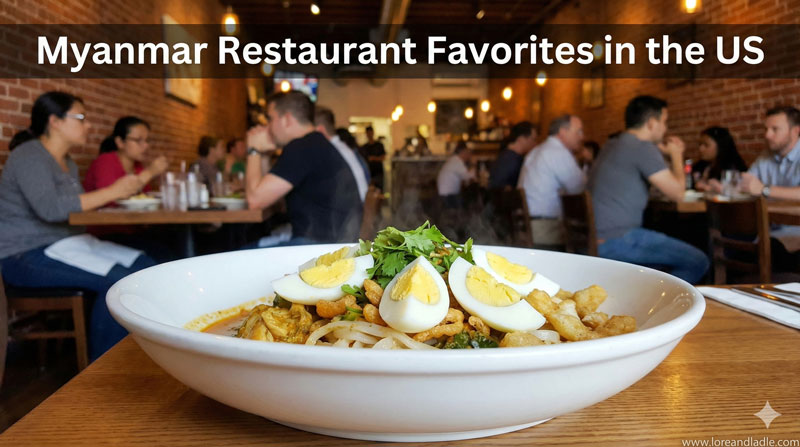
A Culinary Bridge: Flavor-Packed Myanmar D favorites in the U.S.
Myanmar’s culinary landscape is a tapestry of regional flavors and thoughtful technique. in the United States, several Myanmar restaurant classics have become inviting Favorites for both curious newcomers and longtime devotees. These dishes showcase a generous spirit of hospitality, a respect for fresh ingredients, and a balance of aromas, textures, and tastes that invite conversation and sharing. In each bowl or plate, you sense a history of markets, household kitchens, and sunny street corners. The beauty lies not only in the taste, but in the way these dishes connect people to a living food culture through approachable, vibrant flavors.
Mohinga: The Heartbeat of Burmese Morning
Mohinga anchors many morning menus and cheerful gatherings in Myanmar. In a typical bowl, a fragrant fish broth forms the base, enriched with lemongrass, ginger, garlic, and a touch of lime. Rice noodles drift in, while crispy fritters or gossamer shards of fried chickpea cake offer textural contrast. In the U.S., chefs honor the same spirit by building a broth that glows with the sweetness of the fish and the brightness of citrus. The result is a comforting, aromatic bowl that invites slurping and lingering over the first meal of the day.
Culturally, mohinga is more than a dish; it is a daily ritual of sharing and warmth. The long simmered broth carries a deep sense of home, while the toppings—onion, chili, and coriander—encourage customization for personal taste. Culinary significance comes from how the ingredients speak to coastal and riverine influences, and how the dish adapts to local markets without losing its soul. In a U.S. setting, mohinga demonstrates the universal language of a well-balanced broth: savoriness that carries brightness, with a comforting noodle and a gentle spice kick.
Lahpet Thoke: Tea Leaf Salad, A Hug in a Bowl
Lahpet thoke is a vivid, crunchy celebration of flavor and texture. Cherry-green tea leaves are finely shredded and fermented, then tossed with roasted peanuts, sesame, shredded cabbage, and a bright dressing of lime, oil, garlic, and chili. The contrast of salty, sour, nutty, and slightly bitter notes captivates the palate, while the toasted sesame and peanuts add satisfying crunch.
In Myanmar, lahpet thoke is a central part of gatherings and rituals, symbolizing hospitality and shared abundance. Its preparation invites care: selecting tea leaves with the right texture, balancing oil and acid, and achieving the perfect crunch in every bite. In the U.S., restaurant kitchens celebrate this dish as an elegant, approachable introduction to Burmese flavor. It sits beautifully as a starter or a side, inviting guests to explore the spectrum of Burmese spice and the delicate sour-salt balance that defines the cuisine. The dish’s cultural value rests on its communal spirit and its role as a versatile, color-rich centerpiece.
Ohn No Khao Swè: Coconut-Chicken Comfort in a Cup
Ohn No Khao Swè translates to a coconut-scented noodle soup with chicken, and it immediately signals warmth and generosity. The soup blends coconut milk with a mild curry base, often enriched by chickpea flour for body and a gentle backbone of garlic, shallots, and turmeric. Soft noodles float in the creamy broth, while garnishes like crisp fried onions, lime wedges, and sometimes shredded boiled egg add brightness and texture.
Culinary significance emerges from the fusion of dairy-like richness with curry-spiced comfort. This dish highlights how Burmese cooks layer flavors to create a soothing experience that feels both familiar and distinctly regional. In the United States, ohn no khao swè shines as a versatile option—comforting enough for a casual dinner, yet refined enough to impress guests with its aroma and balance. The dish demonstrates how Burmese cuisine embraces coconut and spice to craft a soothing bowl that remains lively on the palate.
Shan Noodles: Fragrant Bowls from the East
Shan noodles, often called a gentle, fragrant bowl, exemplify the elegant side of Burmese home cooking. The base is a savory, turmeric-tinted broth or oil-washed sauce that coats a nest of soft rice noodles. Toppings vary, but common accompaniments include sliced chicken, pickled vegetables, onions, and fresh herbs. The noodles’ light texture invites a careful layering of flavors, where the turmeric’s warmth meets tangy pickles and the crispness of herbs.
This dish carries a strong sense of regional pride from the Shan State, with its own history of techniques and ingredient choices. In the U.S., Shan noodles are beloved for their balance and simplicity. They are easy to customize for dietary preferences while maintaining a refined sense of aroma and color. The culinary significance lies in its clean lines of flavor, the glow of turmeric, and the way a straightforward noodle dish can carry the essence of a broader culinary tradition without overpowering the palate. It’s a dish that teaches restraint, then delight, in each mouthful.
Nan Gyi Thoke: A Rich, Shareable Rice Noodle Affair
Nan Gyi Thoke is a rich, shareable noodle salad built on thick rice noodles, a velvety chicken curry sauce, and a kitchen full of textures. Slices of chicken crown the dish, with boiled eggs, onions, sesame seeds, and lime ready for arrangement at the table. The result is a harmonious blend of smooth, savory sauce and bouncy noodles, punctuated by bright acidity and nutty crunch.
Culturally, nan gyi thoke represents the social nature of Burmese meals—dishes designed for gathering, conversation, and shared plates. Its preparation invites careful layering: curry sauce applied just enough to cling to the noodles, then finished with crisp toppings and a final squeeze of lime. In the United States, this dish speaks to guests who enjoy a visually appealing, highly textural plate. The interplay of flavors—rich curry, tangy lime, and crunchy onions—highlights the culinary artistry of Burmese cuisine and its ability to tell a complete story in a single bowl.
A Shared Taste of Burma in the U.S.
Together, these five dishes illustrate how Myanmar’s culinary values translate across oceans and kitchens. They celebrate fresh ingredients, thoughtful spice, and a sense of hospitality that invites guests to slow down and savor. Each dish, in its own way, invites a moment of connection—whether it is the comforting warmth of mohinga, the lively crunch of lahpet thoke, or the balanced elegance of Shan noodles.
As you explore these flavors in a U.S. restaurant, you’ll notice how chefs honor tradition while embracing local produce and techniques. The result is a vibrant menu that remains faithful to its roots while inviting new audiences to discover the beauty of Myanmar’s food culture. These dishes are not only meals; they are portals to a culture that respects balance, texture, and heart in equal measure.