
High-Flavor, Low-Effort Myanmar Restaurant Favorites in the U.S. for Busy Days
Burmese flavors arrive in U.S. eateries as bowls and plates that spark the senses. These dishes deliver bold aromatics, bright acidity, and comforting warmth. They are designed for pace, yet they never lose depth. In many shops, cooks layer traditional techniques with practical speed. The result is a menu that feels both familiar and exciting.
The Taste of Burmese Heritage in a Quick Bowl
Burmese cooking centers on balance. Fresh greens, citrus, and herbs meet savory depth from fish sauce and dried shrimp. Aromatic oils awaken the palate, while lime and chilies brighten the finish. This approach reflects a culinary love of harmony on the table. Each bowl tells a small story of home kitchens, bustling markets, and thoughtful hospitality.
Mohinga and Ohn No Khao Swè: Morning Comforts for Any Hour
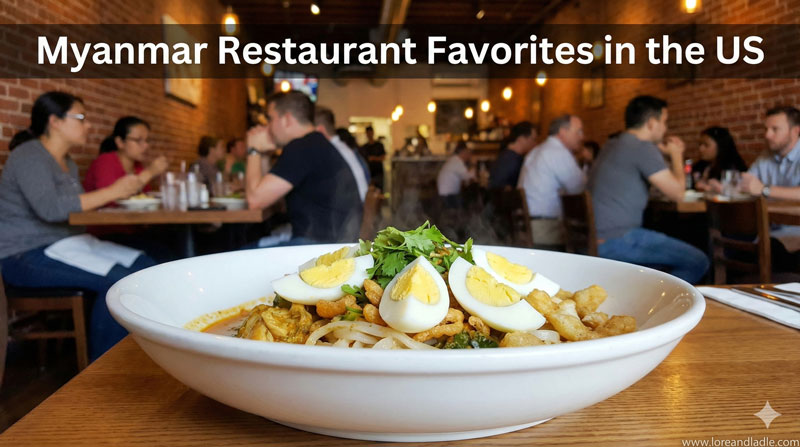
Mohinga is a fragrant fish broth with lemongrass, onions, garlic, and a touch of spice. It rests on rice noodles and is finished with a sliced egg and herbs. Ohn No Khao Swè gathers coconut milk with chicken broth, noodles, and vegetables. A bright squeeze of lime and a kiss of chili oil lift both dishes. In U.S. Burmese restaurants, these soups travel well and shine quickly. They offer warm nourishment that suits busy days, yet they carry a gentle, lingering aroma.
Lahpet Thoke: Crunch, Color, and a Social Bite
Lahpet thoke blends pickled tea leaves with cabbage, tomato, onions, and a chorus of crunch from peanuts and sesame. Dried shrimp and garlic oil add depth, while lime wakes the palate. The texture contrast—soft leaves with crisp nuts—creates a lively mouthfeel. This dish invites sharing and conversation at the table. It demonstrates how Burmese cooks build flavor through texture as much as taste.
Shan Noodles and Other Fast Favorite Noodles
Shan noodles present a clear, fragrant option: delicate rice noodles in a light, savory broth, finished with garlic oil, herbs, and a bright squeeze of lime. Ground meat or chicken appears as a comforting topping. Cilantro, chili oil, and sesame seed offer finishing notes. These bowls are quick to assemble and pleasing to a wide audience. In U.S. eateries, they embody the idea that simplicity can carry substantial aroma and warmth.
Quick-Prep Techniques That Elevate Flavor, Fast
A practical kitchen approach makes these dishes sing on busy days. Start with a clear, well-seasoned broth as a base. Layer aromatics in hot oil to bloom their fragrance. Use pre-cut vegetables and ready noodles to cut prep time. Finish with fresh herbs, a tart lime twist, and a controlled amount of chili oil. This method keeps recipes faithful to tradition while meeting a fast pace.
The Cultural Value of Burmese Food in U.S. Dining
Burmese dishes center around hospitality and shared meals. The act of placing several bowls at the center of the table invites people to sample, compare, and savor. Aromatic herbs and bright citrus create an inviting atmosphere that welcomes guests. The style respects seasonal ingredients and mindful plating, which makes everyday dining feel special. In this way, these favorites contribute to a thoughtful, welcoming food culture in the United States.
Making the Most of Burmese Favorites on Busy Days
for Busy days, choose flavorful staples that travel well and reheat gracefully. Seek bowls that combine broth, noodles, and a few toppings for a complete experience. Shareable plates like lahpet thoke pair well with a variety of mains. Above all, look for restaurants that honor fresh ingredients and balanced seasoning. These choices keep the spirit of Burmese cooking alive while fitting a tight schedule.
A Gentle Note on Significance and Joy
The beauty of these dishes lies in how they blend bold aroma, tactile textures, and bright finishes. They celebrate technique without demanding time. They honor tradition while adapting to modern life. For diners, this means nourishment that feels uplifting and respectful. For chefs, it means a canvas where culture and craft meet in a single, satisfying bite.