
Introduction
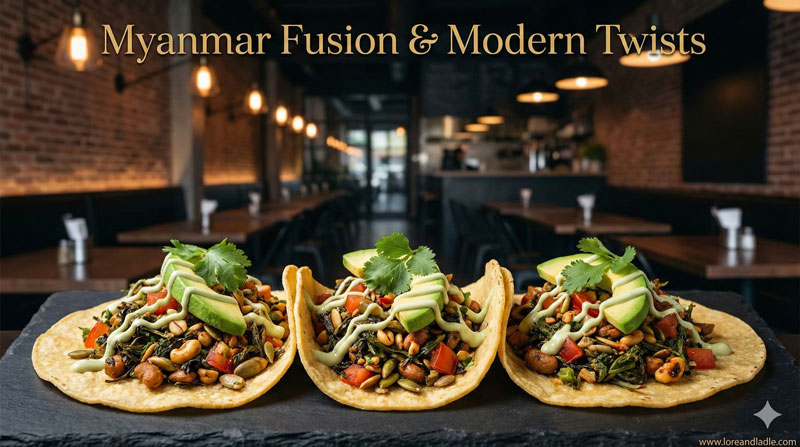
This blog introduces a dish that centers on curiosity, culture, and cooking joy: the Beginner-Friendly Shopping List for Myanmar Fusion & Modern Twists. The idea is simple yet rich. It invites home cooks to explore Myanmar-inspired flavors with modern touches. The shopping list becomes a doorway to order, balance, and beauty in every bite. By focusing on culture and culinary significance, the list helps cooks connect to markets, families, and shared meals. The result is food that feels welcoming, flavorful, and alive.
Why Myanmar Fusion Feels Timeless
Myanmar cuisine lives at the crossroads of many traditions. Bright aromatics, creamy coconut, tangy lime, and savory fish blends appear in everyday cooking. When we mix Myanmar flavors with modern twists, we honor a long history of practical creativity in the kitchen. This fusion respects technique and tempo: quick stir-fries, gentle simmering, and bright, fresh salads. The dish celebrates how cooks adapt with the seasons, the markets, and the stories told at the table. It invites curiosity without losing warmth.
The Cultural Value of This Dish
The Beginner-Friendly Shopping List acts as a cultural bridge. It links familiar ingredients with distinctive Burmese ingredients, making it easy to begin a dialogue with flavor. Each item on the list echoes Home Cooking, market stalls, and street-side aromas that anchor daily meals. The approach values shared meals, careful preparation, and mindful tasting. It offers a respectful way to explore regional influences while keeping a clear sense of place in Myanmar-inspired cooking. The result is dishes that feel both contemporary and rooted in tradition.
The Beginner-Friendly Shopping List: Core Essentials
The list is organized to help you shop with confidence. Use it as a starting point, then adapt to your kitchen.
- Grains and starches
- Jasmine rice or sticky rice
- Rice noodles (thin or wide)
- Aromatics and herbs
- Garlic, shallots, and ginger
- Lemongrass stalks, turmeric, and a small amount of chili
- Fresh cilantro or coriander, mint leaves
- Sauces and condiments
- Fish sauce or a Burmese ngapi option
- Soy sauce or light soy
- Coconut milk (for creamy twists)
- A touch of sesame oil or toasted sesame seeds
- Proteins
- Chicken thighs or breasts
- Firm tofu or eggs
- Fresh fish fillet or shrimp (optional)
- Vegetables and texture builders
- Cabbage, carrots, bell peppers
- Bean sprouts or thinly sliced greens
- Optional: roasted peanuts or cashews for crunch
- Finishing touches and flavor boosters
- Lime or calamansi juice
- Brown sugar or palm sugar
- Dried chilies or chili flakes
- Toasted coconut flakes (optional)
This arrangement keeps shopping simple while offering layers of flavor. Start with one protein, one starch, and a few aromatics. Then add a couple of fresh vegetables for balance. The list is beginner-friendly but flexible enough for creative twists.
How to Use the List in Everyday Cooking
Begin by choosing a centerpiece dish. For example, a coconut-tinted curry with rice or a bright noodle bowl. Next, select one protein and one starch from the list. Build flavor with aromatics and the right sauces. Finish with lime, herbs, and crunch from nuts or fresh vegetables. This approach makes Myanmar fusion approachable and enjoyable. Clear transitions from bold to gentle help you stay in balance across courses. The structure also supports mindful shopping: buy what you will use, reduce waste, and savor every bite.
Flavor Profiles You Can Explore
Myanmar-inspired dishes shine when you balance four core notes: sweet, sour, salty, and spicy. Start with a gentle base of coconut milk and fish sauce. Add lime juice to brighten. Introduce a hint of turmeric for warmth and a touch of lemongrass for fragrance. A handful of peanuts or sesame seeds adds texture. This thoughtful balance reflects a cultural appreciation for harmony in flavor, aroma, and presentation.
The Significance of Texture and Color
Texture plays a leading role in this dish. Crunchy vegetables contrast with silky sauces. Soft herbs brighten the plate. Color, from turmeric yellow to fresh greens, makes the meal inviting. These sensory details mirror Myanmar’s love for varied, satisfying meals shared with others. The shopping list supports this by encouraging a mix of components that come together in a single, harmonious dish.
A Simple Demo: Two Ready-To-Make Ideas
- Coconut turmeric chicken with jasmine rice and quick pickled vegetables: marinate chicken with garlic, ginger, turmeric, and fish sauce. Sauté, simmer with a splash of coconut milk, and serve over rice with crisp slaw.
- Lemongrass noodle bowl with tofu and greens: cook rice noodles, toss with a light sesame-soy glaze, and finish with fresh herbs and lime.
Both ideas use the beginner-friendly list as a starting point. They celebrate Myanmar flavors while embracing modern twists that feel fresh and approachable.
Cultural Respect in the Kitchen
This dish honors cooks who blend traditions with care. It invites beginners to learn, taste, and grow. The approach is inclusive, friendly, and respectful of the rich flavor heritage behind Myanmar fusion. Each bite becomes a small celebration of community, craft, and curiosity.
Closing: Embracing Culture Through Food
The Beginner-Friendly Shopping List for Myanmar Fusion & Modern Twists is more than a shopping guide. It is a doorway to culture, aroma, and shared meals. It invites you to practice mindful shopping, explore diverse flavors, and enjoy the beauty of Burmese-inspired cooking. In every dish, you taste history, present skill, and the joy of cooking together.