
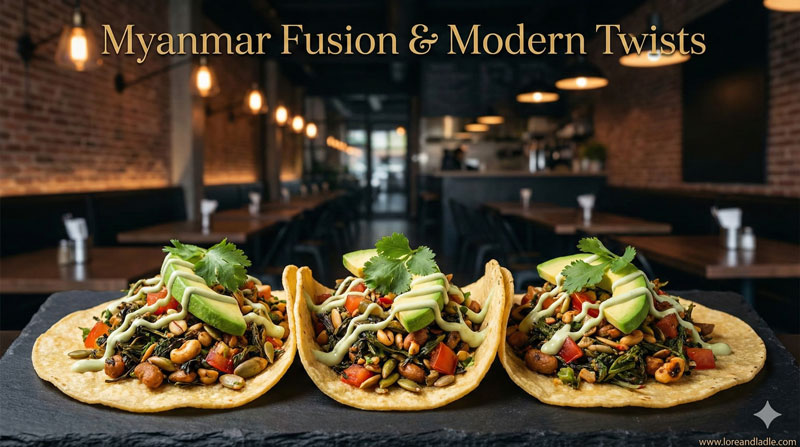
Introducing the Dish: Trending Myanmar Fusion & Modern Twists Dishes in the U.S. This Year
This year brings a thoughtful plate that blends Myanmar flavors with contemporary cooking ideas. The dish, “Trending Myanmar Fusion & Modern Twists Dishes in the U.S. This Year,” invites curious diners to savor a careful dialogue between pantry staples and new techniques. It emphasizes balance, harmony, and a respect for ingredients. Chefs highlight Myanmar’s bright chilies, fragrant herbs, and savory fermentation, then pair them with modern textures and presentation. The result is inviting, expressive, and very approachable for a wide audience.
Core Flavors from Myanmar
Myanmar cuisine rests on clear, vibrant flavors. Fermented elements like ngapi or dried shrimp paste add depth without overpowering the plate. Lemongrass, garlic, and shallots shine with warmth, while turmeric and chili provide glow and backbone. Tamarind or lime brighten the finish, balancing richness with a zesty lift. Teas and leafy greens also appear, offering aroma and color. In this fusion dish, those flavors are the anchors. They guide the palate as new accents arrive. The goal is to honor traditional Myanmar profiles while welcoming contemporary technique.
Modern Twists in the American Kitchen
In the U.S., chefs reinterpret these flavors through modern methods and presentation. Smoky reductions, emulsions, or crisp textures bring a contemporary edge. Plant-based proteins meet Myanmar seasonings to create inclusive options. Pickled vegetables add bright acidity, while coconut milk or cashew cream offers a creamy counterpoint. Techniques like quick pickling, gentle charring, or layered toppings let familiar ingredients speak in fresh ways. The dish demonstrates how classic Myanmar notes can partner with current culinary thinking without losing their soul.
The Visual and Culinary Experience
Color and texture play a central role. A glossy sauce clings to noodles or grains, while crisp toppings provide surprising bite. Fresh herbs brighten the plate with citrusy notes, and small bursts of heat linger on the tongue. The presentation invites conversation at the table, encouraging diners to notice aroma, mouthfeel, and balance. Each component has a purpose: to highlight a core flavor, to create contrast, or to frame the dish’s Myanmar heart with a modern finish. The experience is both comforting and adventurous.
Cultural Value and Culinary Significance
This dish serves as a bridge between time-honored pantry items and current culinary curiosity. It invites cooks and diners to explore Myanmar Ingredients in new contexts. By showcasing authentic components alongside contemporary craft, it broadens appreciation for regional flavors. The dish also supports skill development: learning to adjust seasoning, texture, and plating with care. In short, it respects tradition while inviting innovation, making Myanmar cuisine visible in a broad, welcoming way.
How It Fits Into Today’s Food Culture
In today’s dining scene, cross-cultural dishes illuminate shared tastes and curiosity. The dish demonstrates that regional flavors can flourish beyond their origins when paired with thoughtful technique. Diners experience a preview of Myanmar culinary spirit, delivered through accessible formats and modern plating. The result is inclusive and educational, inviting conversations about ingredients, sourcing, and culinary stories. This approach aligns with a trend toward mindful, flavorful eating that celebrates craft and community.
Tips for Home C cooks
If you want to recreate the essence at home, start with a clear flavor map. Use a small amount of ngapi or a fermented fish alternative to build depth, then layer in brightness with lime or tamarind. Balance heat and sweetness to suit your taste. For texture, add a crisp topping or a light, crunchy element. Pair the dish with a bright tea or a citrusy soda to echo the fresh finish. Most important, taste often and adjust gradually. The dish rewards patience and curiosity.
Looking Ahead: The Future of Myanmar Fusion
This year’s trending dish signals a hopeful direction for Myanmar-inspired cuisine. It shows how flavors can travel respectfully, gain new life through technique, and inspire joyful meals. Chefs and Home Cooks alike can learn from its approach: stay true to core flavors, welcome innovation, and present with care. The result is more than a plate; it is a moment of cultural sharing, culinary artistry, and everyday celebration of good eating.