
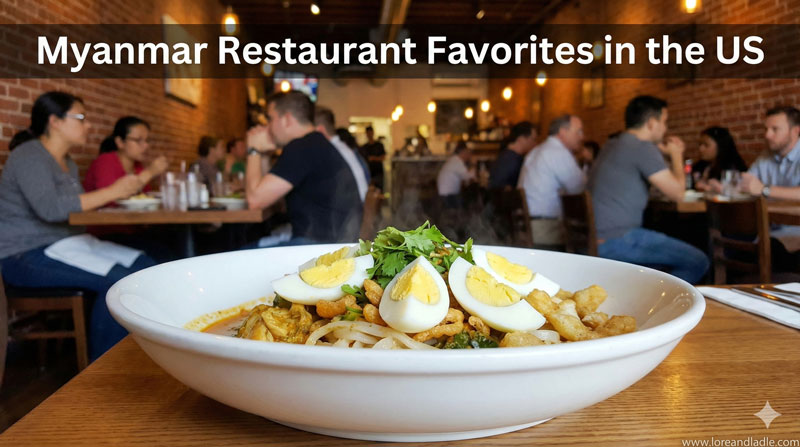
Comforting Myanmar Restaurant Favorites in the U.S. That Warm Up Any Evening
This collection spotlights the cultural value and culinary significance of beloved Myanmar dishes found in U.S. restaurants. The focus is on how these meals nourish the senses, carry tradition, and invite warm gatherings. Each dish offers a distinct voice from Burmese cuisine, yet they share a common spirit: comfort that feels both intimate and welcoming.
Mohinga: The Heartbeat of Burmese Comfort
Mohinga is more than a soup; it is a ritual of morning warmth that also fits the evening table. In restaurants across the United States, chefs honor a broth built from fish, lemongrass, garlic, and a hint of turmeric. The texture of rice noodles gliding through this fragrant stock creates a soothing mouthfeel. The dish teaches balance—savory fish, bright citrus notes, and a gentle kiss of spice come together in harmony. Sharing a bowl invites conversation, and the aroma invites a moment of pause that feels deeply Burmese.
Ohn No Khao Swè: Coconut Cream and Gentle Nudge of Spice
Ohn No Khao Swè is a creamy coconut noodle soup with chicken and soft spices. In U.S. eateries, it appears as a comforting bowl that blends sweetness from coconut with the warmth of curry and a squeeze of lime. The preparation respects patience: simmered coconut milk thickens the sauce, while noodles and tender chicken offer comforting familiarity. The result is comforting nourishment with a touch of brightness, demonstrating how Burmese cooks layer flavors to produce a soothing, homey experience.
Lahpet Thoke: Tea Leaf Salad, Crunch, and Fermentation Craft
Lahpet Thoke adds texture and a bright spark to the meal. Fermented tea leaves mingle with crispy nuts, sesame, garlic oil, lime, and tomato for a lively bite. In Burmese-serving restaurants in the U.S., this dish is often placed at the center of the table to be shared. The result is a balance of sour, salty, and nutty notes, inviting conversation about texture and technique. Lahpet Thoke highlights the artistic side of Burmese fermentation traditions and the joy of a dish that rewards careful chopping and fresh ingredients.
Shan Noodles and Regional Voices on a Plate
Shan-style dishes bring a regional voice to the table. The noodles, often accompanied by a fragrant broth, herbs, and a zesty peanut-lime sauce, present a clean, comforting profile. In the United States, these dishes illustrate how regional notes travel well—empty spaces are filled with citrus brightness, shallots, and a gentle chili kick. The result is a comforting, satisfying experience that demonstrates how Burmese cooking honors regional varieties while inviting shared enjoyment.
Tea Culture and the Comfort of Small Plates
Beyond bowls and noodles, Burmese tea culture enriches the dining moment. A pot of hot tea, sometimes milk-sweetened, provides a soothing counterpoint to spiced dishes. In many U.S. Burmese restaurants, small plates—seared garlic, crisp vegetables, or lightly pickled items—accompany the main bowls. This pairing creates a calm arc during the meal, reinforcing hospitality and careful pacing. The tea and small plates together emphasize a tradition of mindful eating and gentle hospitality.
Craft and Technique: The Quiet Power of Flavor Harmony
What makes these dishes deeply comforting is the craft behind them. Cooks layer aromatics, balance salt and sour, and coax flavors with slow simmering and precise chopping. Fresh herbs lift the profile, while roasted elements add depth. This attention to technique reveals a philosophy: comfort comes from clarity of flavor and the confidence to celebrate subtlety as well as brightness. The result is a dining experience that feels intentional and generous.
In U.S. Restaurants: A Bridge of Freshness and Familiarity
U.S. Burmese restaurants bring these favorites to life with ingredient choices that suit local markets while preserving core flavors. Fresh lemongrass, turmeric, and fish paste anchor the dishes, while produce seasons shape delicate differences in each kitchen. Diners discover how Burmese cuisine can feel both familiar in warmth and new in nuance. The dining table becomes a place where tradition and modern comfort meet.
A Gentle Invitation to Explore Burmese Comfort
These Comforting Myanmar Restaurant Favorites demonstrate how food can warm any evening. They celebrate cultural values of hospitality, balance, and careful craftsmanship. By savoring these dishes, readers glimpse a cooking heritage that values generosity, thoughtful preparation, and shared joy. If you seek meals that feel like a soft welcome home, this collection offers a flavorful path that honors Burmese culinary heritage in the heart of the United States.