
Introduction
Entertaining guests with Myanmar restaurant favorites in the U.S. made simple invites you to explore a warm, fragrant world of flavors. This cuisine centers on balance, bright aromatics, and thoughtful pairings. It honors hospitality as a daily ritual and makes every gathering feel like a celebration of shared taste. In this guide, you’ll discover How to present Myanmar dishes with ease while highlighting their cultural value and culinary significance. The goal is to create inviting plates that tell a story of aroma, texture, and comfort.
The Flavor Palette of Myanmar Favorites
Myanmar cuisine blends coastal freshness with mountain spices. Expect light, bright broths and creamy coconut notes. You’ll find citrus lift from lime or calamansi, a gentle warmth from turmeric and chili, and a savory backbone from garlic, shallots, and a touch of fish sauce. Textures vary from silky noodle soups to crisp tea leaves and roasted nuts. This harmony—sweet, salty, sour, and savory—captures how meals become memorable when they invite conversation and care. When you host, these flavors offer a gentle invitation: come savor, share, and linger.
Core Dishes to Feature
- Mohinga-inspired Fish Noodle Soup: A fragrant, comforting starter that evokes morning markets and street stalls. A clear, light broth carries fish, lemongrass, and rice noodles. A squeeze of lime brightens the bowl and signals a welcoming table. This dish anchors the meal in memory, reminding guests of warmth and daily ritual.
- Nan Gyi Thoke (Rice Noodle Salad with Chicken Curry): A colorful, satisfying main that layers textures—soft noodles, creamy curry sauce, and beans or sesame for crunch. The presentation invites dipping and mixing, creating a playful yet elegant center plate that celebrates communal eating.
- Lahpet Thoke (Tea Leaf Salad): A striking salad built on pickled tea leaves, cabbage, roasted peanuts, sesame, and sesame oil. It offers a tangy, nutty contrast to milder dishes and showcases how Myanmar pairs fermentation-inspired tang with fresh crunch. Serving Lahpet Thoke signals hospitality through a remarkable, shareable dish.
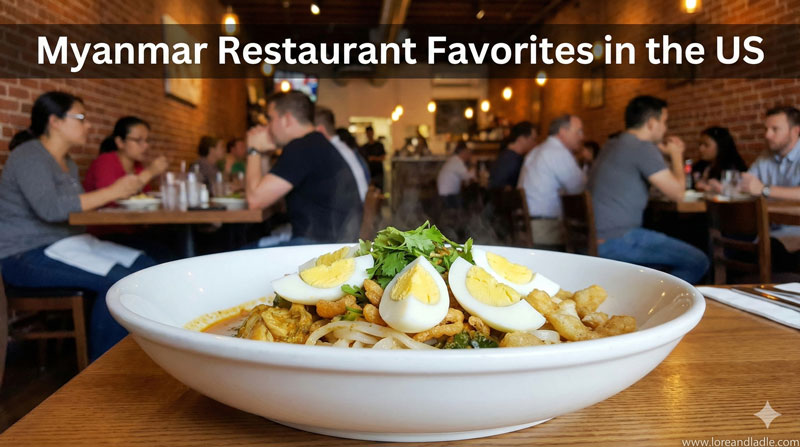
- Ohn No Khao Swè (Coconut Noodle Soup): A coconut milk–based soup with tender noodles, chicken, and herbs. This dish bridges brightness and comforting richness, offering a gentle, satisfying course that appeals to different palates. Its smoothness makes it a friendly complement to spiced curries and salads.
- Optional lighter side or snack: Crispy fritters or fried chickpeas with herbs. A small bite like this adds textural variety and rounds out the table, inviting guests to linger and chat.
Culinary significance: Each dish reflects a thoughtful approach to texture and balance. The meals emphasize shared plates, interactive eating, and a sense of place—dishes crafted from everyday ingredients that become meaningful through how they’re presented and enjoyed together.
Techniques and Ingredients That Travel Well
- Simple, practical techniques: Simmering for depth, light stir-frying for brightness, and careful seasoning with lime, fish sauce, or fermented elements. These methods travel well to home kitchens and keep the cooking approachable.
- Key ingredients to stock: rice noodles, coconut milk, lemongrass, garlic, shallots, turmeric, dried chili, fresh herbs (cilantro, lime leaves if available), fish sauce or ngapi substitute, and pickled tea leaves for Lahpet Thoke. Having these on hand makes it easy to assemble multiple courses with confidence.
- Texture and aroma: Myanmar dishes often balance smooth broths with crisp toppings and nutty crunch. Plan courses so guests experience a progression from light to full-bodied, with aromatic finishes that invite a second bite.
Setting, Serving, and Table Presence
- Course flow: Begin with a bright soup or salad, move to a shareable main, then offer a comforting noodle or curry as a closing course. This rhythm mirrors traditional meals and keeps guests engaged.
- Plating with care: Use clean bowls for Mohinga-inspired soups, a wide plate for Nan Gyi Thoke to showcase colors, and a small, decorative bowl for Lahpet Thoke’s crunchy elements. A simple garnish of lime wedges, fresh herbs, and sesame seeds elevates the presentation.
- Hospitality cues: Invite guests to mix ingredients on the table or to try a small tasting of each dish. A calm table setting, adequate serving spoons, and a warm welcome set the mood for a respectful, enjoyable meal.
Beverages and Desserts to Complement
- Beverages: Offer a light lime-ginger cooler or a simple herbal tea. These drinks refresh the palate between courses and echo the bright notes found in Myanmar flavors.
- Desserts: A mild, fragrant option such as coconut milk dessert with citrus zest or a simple fruit plate can end the meal on a gentle, satisfying note. The idea is to leave guests with a clean, comforting finish that respects the meal’s balance.
Hosting Tips: Simplicity with Grace
- Do less, but do it well: Choose four main components (soup, noodle dish, tea leaf salad, and a coconut-style dish) to keep the workflow calm and focused.
- Mise en place: Prep chopped vegetables, herbs, and garnishes ahead. This keeps you at the table with guests and ensures a smooth service.
- Clear communication: Briefly share the concept of the dishes and how guests can participate in the tasting. A short note at the table helps everyone appreciate flavors and textures.
Cultural Value and Culinary Significance
Myanmar restaurant favorites carry a cultural value that centers on warmth, sharing, and mindful preparation. The dishes invite guests into a culinary conversation about aroma, texture, and balance. By presenting these flavors in a home kitchen, you honor a tradition of hospitality that views meals as a way to connect, celebrate, and learn together. The culinary significance lies in how simple ingredients, prepared with care, become memorable experiences that people carry with them long after the last bite.
Conclusion: A Welcome Plate of Flavor and Culture
Hosting with Myanmar favorites in the U.S. Made Simple offers a gracious path to celebrate flavor, craft, and community. The dishes emphasize balance, generous portions, and the joy of sharing. When guests taste the soft coconut warmth, the bright lime finish, and the satisfying crunch of toasted sesame, they experience more than food—they experience a culture of hospitality. This is food as invitation, a bridge between kitchens, and a testament to the beauty of Myanmar flavors enjoyed in a welcoming home.