
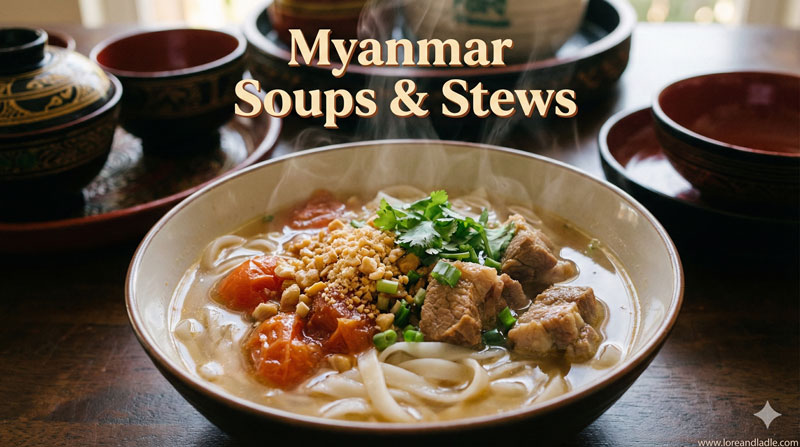
Celebrating Myanmar Soups and Stews in the United States This Year
This Year, Myanmar soups and stews have gained inviting attention on American tables. The dishes offer warmth, balance, and a vivid sense of place. They show how a bowl can carry scent, texture, and story all at once. The trend invites Home Cooks and Iocal chefs to explore the pantry’s herbal riches, the craft of slow simmering, and a respectful approach to traditional flavors. The result is a menu that feels both comforting and adventurous.
Mohinga: The Heart of Burmese Broths
Mohinga stands as a centerpiece in Burmese cooking. in the United States, it has moved beyond the street vendor into home kitchens and brunch spots, celebrated for its layered aroma and bright finish. The broth blends fish stock, lemongrass, garlic, shallots, and a touch of turmeric. Rice noodles soften in the warm pool, while toppings—fresh herbs, crisp fried onions, and a squeeze of lime—bring brightness and texture. The dish speaks to a culture of morning rituals and shared bowls. Its bright, fish-forward character pairs well with pickled vegetables or a peppery drizzle, inviting cooks to tune the balance to taste. Mohinga teaches restraint and generosity at once: a clear broth that carries depth, and a finish that invites a quick, joyful bite.
Ohn No Khao Swè: Coconut Comfort in a Bowl
Ohn No Khao Swè is a coconut milk–based noodle soup that offers a creamy counterpoint to Mohinga. The base is gentle and fragrant, with coconut milk, chicken, garlic, shallots, and a mild turmeric glow. Rice or egg noodles soak up the velvety broth, while lime juice and chili oil wake the flavors at the table. In the United States, this dish has found fans among diners seeking comfort with a touch of exotic aroma. The versatility is a culinary value: cooks can adjust heat, sweetness, and density to suit family preferences or seasonal produce. Ohn No Khao Swè demonstrates how Burmese recipes embrace richness without heaviness, turning a simple bowl into a satisfying, nourishing moment.
Shan-Inspired Noodle Broths and Hearty Stews
Shan-style soups and stews bring a bright, herb-forward profile to the table. In contemporary American kitchens, these dishes appear as clear broths with turmeric’s warm color and candied citrus or dill notes. They often feature delicate broths that carry legumes, greens, and tender meats, plus fresh herbs such as coriander and dill for a lift. The result is a bowl with clean, vibrant flavors that invite slow sipping and thoughtful tasting. These dishes highlight technique—how to extract depth from a simmer, how to balance herbaceous notes with savor—and they underscore the Myanmar culinary value of layering flavors gradually. They pair well with a side of pickled vegetables and a light chili oil, creating a respectful harmony between spice, sourness, and aroma.
Fresh Ingredients and Techniques: From Market to Stove
Myanmar soups rely on a fragrant toolkit. Lemongrass, garlic, shallots, and ginger form the base for many broths. Turmeric provides warmth and color, while kaffir lime leaves or lime juice add a citrus sharpness. Fish sauce, a touch of fermented shrimp paste, and a splash of coconut milk give depth and roundness. Rice noodles or narrow wheat noodles hold their shape and soak up broth beautifully. Fresh herbs—cilantro, mint, dill, and sometimes Thai basil—add brightness at the finish. The technique matters: a gentle simmer builds savor gradually, and a quick finish with lime preserves a lively edge. The result is a family of dishes that reward patience and celebrate the craft of broth-making.
The Cultural Value of Sharing Bowls
Myanmar soups and stews invite sharing. A steaming pot or a large serving bowl becomes a focal point for gathering. The act of passing bowls, sprinkling herbs, and adjusting seasoning at the table builds a social ritual around food. These dishes encourage mindfulness: tasting, comparing, and adjusting flavors to suit everyone at the table. In this light, the bowls become more than meals; they are social articulation of hospitality, care, and community. The cultural value lies in how a simple soup or stew can foster conversation, curiosity, and a shared sense of pleasure in cooking.
Serving Styles and Pairings
In the United States, Myanmar soups are often served with bright accompaniments. A plate of crispy fried shallots, a fresh squeeze of lime, and a dash of chili oil heighten aroma and texture. A side of light pickles or marinated vegetables adds a tangy counterpoint. Some diners enjoy a small plate of tea leaves or crisp crackers to contrast the soft noodles. The serving ritual emphasizes balance: hot broth, cool toppings, and a careful play between spice, sourness, and herbaceous perfume. This balance is a hallmark of Myanmar culinary sensibility and a reason these soups resonate with food lovers seeking depth without heaviness.
Adaptation for US Kitchens: Craft and Accessibility
Chefs and home cooks in the US adapt these dishes without losing their essence. They substitute ingredients when needed—regular fish options, accessible herbs, or regional vegetables—while preserving core flavors. The approach respects tradition and welcomes experimentation. The result is a living, evolving cuisine that honors its roots and invites broader audiences to experience its beauty. This adaptability highlights the culinary significance of Myanmar soups: they teach how to build a luminous, layered broth with limited ingredients and how to finish a dish with a bright, clean finish.
A Practical Guide to Tasting Myanmar Soups at Home
- Start with a clear broth: simmer bones or fish heads to extract savor, then strain for a pristine base.
- Build layers: sauté aromatics slowly, then add herbs late to keep their perfume.
- Taste and adjust: a squeeze of lime, a pinch of salt, and a touch of chili can transform a bowl.
- Finish with texture: add fried onions, fresh herbs, and a drizzle of oil for complexity.
- Pair thoughtfully: serve with a light side and a crisp pickle to echo the dish’s contrasts.
The Culinary Significance in Today’s Tables
Myanmar soups and stews encapsulate a philosophy of flavor layering, seasonal ingredients, and respectful technique. They emphasize balance and harmony: a broth that invites gentle slurping, herbs that lift the palate, and toppings that deliver a crunch or brightness at the moment of serving. In today’s diverse dining scenes, these dishes offer a bridge to Burmese culinary artistry. They show how a nation’s tradition can inform contemporary cooking, inspiring both home cooks and professional chefs to craft bowls that reveal complex flavor with clarity and grace.
Conclusion: A Glowing Bowl, A Shared Experience
This year’s rise of Myanmar soups and stews in the United States celebrates more than taste. It honors the cultural value of warm, inviting bowls that welcome people to the kitchen, the table, and conversation. Whether it is the iconic Mohinga, the coconut comfort of Ohn No Khao Swè, or the bright heartbeat of Shan-inspired broths, these dishes invite us to slow down, savor aroma, and appreciate the beauty of thoughtful preparation. In every simmer and every finish, the dishes reflect a lasting love of flavor, texture, and togetherness.