
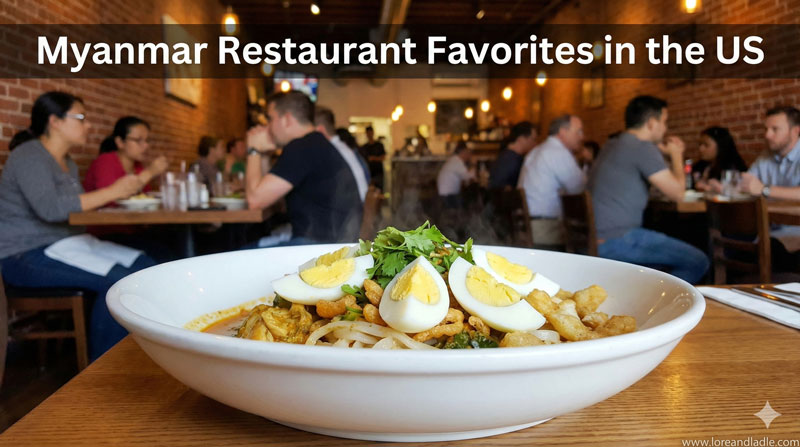
Introduction: Light and Fresh, a Burmese Welcome on Warm Days
Light and Fresh Myanmar Restaurant Favorites in the U.S. for Warm Days celebrates how Burmese flavors rise to greet sunshine with clarity and brightness. These dishes illuminate the table with crisp textures, zesty acidity, and fragrant herbs. They capture a cultural approach that values balance and the joy of sharing seasonal produce. In Burmese cooking, warmth is felt not only in temperature but in the brightness of flavors that refresh the palate. This post explores the cultural value and culinary significance of these favorites, highlighting how they connect people to the land, the market stalls, and the kitchen crafts that travelers and locals alike savor.
The Cultural Value of Fresh Burmese Cooking
In Myanmar, cooking centers on harmony among ingredients. Fresh herbs, lime, tomato, cucumber, and chilies meet light dressings to create meals that feel uplifting and inviting. Salads—often called thoke—are everyday joys, served at markets, homes, and neighborhood eateries. They offer a portable, shareable way to enjoy vegetables with depth of flavor, without heaviness. This emphasis on freshness supports a dining culture built around hospitality, community, and the simple pleasure of a well-balanced bite.
These dishes also mirror a deep respect for seasonal produce. Chefs in Burmese restaurants in the United States seek produce that can carry bright flavors across a plate, whether it’s crisp cucumbers, sweet mangoes, or tart limes. The result is a menu that feels sunny and accessible, inviting diners to explore textures—from crunchy peanuts and seeds to silky ribbons of fresh herbs. The cultural value rests in celebrating everyday ingredients with technique and care, turning ordinary items into a memorable, respectful experience for all who share the meal.
Core Ingredients and Techniques
Freshness in Burmese cuisine comes alive through a careful selection of ingredients and a few practiced methods:
- Herbs and aromatics: cilantro, mint, dill, and basil-like leaves brighten dishes. Lemongrass and lime zest add lift.
- Fresh produce: cucumber, tomato, mango, and green papaya give crisp textures and bright acidity.
- Crunchy elements: roasted peanuts, sesame, fried garlic, and chickpeas add contrast.
- Light dressings: lime juice, fish sauce or light soy, chicory-like sauces, and a touch of sweetness balance heat and tang.
- Ferments and seasonings: a small amount of ngapi (fermented fish paste) can deepen flavor, while some modern versions lean toward milder fish sauces to highlight freshness.
Techniques to bring these elements together are equally important. Quick tosses keep vegetables crisp. Gentle pounding or grinding of aromatics releases fragrance without turning delicate herbs to mush. Toasting seeds and nuts heightens nutty notes, while careful layering of sour, salty, sweet, and umami creates a well-rounded finish. The aim is to let each component sing while staying harmonious as a bowl or platter is shared.
Signature Dishes that Shine in Burmese-American Menus
These dishes embody the light, fresh spirit and stand out in Burmese-inspired menus across the United States:
- Lahpet Thoke (Tea Leaf Salad): A showcase of balance, this salad blends pickled tea leaves with crunchy elements like toasted peas, sesame, and nuts, plus fresh tomato and bean sprouts. A kiss of lime and a touch of chili bring lively brightness, while herbs lift the aroma. The result is a vibrant, multi-textured dish that invites conversation and tasting pleasure.
- Fresh Mango Salad with Lime and Herbs: Sweet mangoes meet tart lime, chilies, and a crisp herb chorus. This salad showcases seasonal fruit in a way that feels sunny and refreshing, making it a perfect warm-day choice.
- Cucumber-Tomato Salad with Sesame and Herbs: Simple, crisp, and fragrant, this salad relies on fresh produce and a light dressing to create a refreshing bite that cleanses the palate between richer dishes.
- Nimble Noodle-Salad Platters: Light noodles tossed with herbs, cucumber ribbons, and a citrus-laced dressing offer a cool, comforting option on hot days. These bowls emphasize texture and balance, making them easy to share.
- Shan-Influenced Fresh Bowls: Some Burmese restaurants feature light rice noodle bowls with shredded vegetables, herbs, and a bright citrus dressing. They feel clean, approachable, and deeply comforting in warm weather.
These dishes are not only flavorsome; they are expressions of care. They invite diners to slow a moment and savor delicate contrasts—acidic, salty, slightly sweet, and gently spicy—over a conversation-friendly meal.
Plate Preparation and Serving Traditions in Burmese Restaurants
In many Burmese eateries, serving style reinforces the cultural emphasis on sharing and harmony:
- Plating is often communal, with several small bowls or a central platter that encourages guests to pick and mix.
- Fresh herbs and citrus are added at the table, allowing each person to tailor brightness to their liking.
- Light components are presented alongside rice or light noodles, providing a comforting base that does not overwhelm the fresh flavors.
- Textural variety is intentional: crunchy nuts, crisp vegetables, and soft noodles combine in every bite.
- The presentation leans toward vibrant color and clean lines, reflecting the pride taken in sourcing fresh ingredients and crafting balanced dishes.
This approach makes dining a collaborative and celebratory experience, especially on warm days when bright, refreshing flavors are most welcome.
The Experience: Hospitality and Fresh Flavors
The beauty of Light and Fresh Burmese dishes lies in the hospitality they embody. The kitchen crafts, markets, and tables come together to welcome guests with a sense of place and warmth. The flavors tell a story of sunlit markets, early-morning harvests, and careful preparation. Diners notice how aroma guides the palate, how acidity lifts the senses, and how herbs dance with textures to create a cohesive bite. In this way, the dishes become more than meals; they become a friendly invitation to pause, share, and enjoy.
Why This Theme Appeals on Warm Days in the U.S.
On warm days, light and fresh Burmese dishes feel especially inviting in the United States. They offer:
- Quick, satisfying nourishment that respects the heat.
- Bright flavors that cleanse the palate and lift mood.
- A sense of connection to a culture built on shared meals and refined simplicity.
- Accessible ingredients that are commonly found in U.S. markets, enabling Home Cooks and restaurant kitchens to recreate the experience.
For diners, these favorites provide an elegant option that complements outdoor gatherings, casual lunches, and family meals. For restaurant teams, they present opportunities to showcase culinary skill—balancing herbs, citrus, and textures—while maintaining consistency across seasonal menus.
Closing Thoughts
Light and Fresh Myanmar Restaurant Favorites in the U.S. for Warm Days celebrate a culinary philosophy that prizes brightness, balance, and hospitality. Through tea leaf salads, mango delights, cucumber-tomato combos, and noodle bowls, Burmese cuisine offers a refreshing lens on flavor. The cultural value lies in the careful curation of fresh ingredients, the artistry of assembly, and the joy of sharing a meal with others. In the United States, these dishes continue to enchant diners with their clarity and charm, inviting all to savor the beauty of Burmese food culture in a warm-day setting.