
Introduction
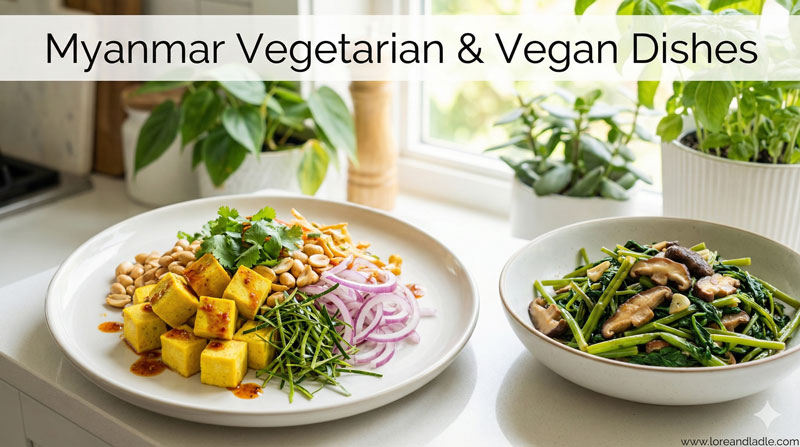
Restaurant-Style Myanmar Vegetarian & Vegan Dishes You Can Make at Home invites you into a culinary world where plant-forward cooking shines. This collection showcases the beauty of Myanmar flavors, reimagined for the home kitchen. It celebrates fresh vegetables, tofu, herbs, and thoughtful spice balanced with technique. The result is dishes that feel refined enough for a restaurant plate, yet approachable for weekday meals. The dish set honors Myanmar’s love of bright, aromatic meals built around rice, and it reveals how simple ingredients can become memorable, culturally rich experiences.
Cultural Value in Myanmar Cuisine
Myanmar cuisine centers on balance, seasonality, and the joy of sharing. Meals often feature a main rice dish accompanied by several small plates, each contributing texture and aroma. The vegetarian and vegan options in this tradition are not mere substitutes; they are vibrant statements of what local produce can offer. In markets and home kitchens alike, herbs like basil, cilantro, and fresh chiles meet tangy notes from lime or tamarind, producing a chorus of tastes that sing together. This dish collection honors that sensorial harmony, showing how plant-based dishes can stand proudly in both casual and refined settings. It also reflects the skill of home cooks and restaurant chefs who respect tradition while inviting personal taste, texture, and color to the table. By presenting well-balanced plates that are entirely plant-based, the concept invites everyone to experience Myanmar’s culinary heart in a friendly, non-political, and deeply cultural way.
Culinary Significance and Flavor Philosophy
Culinary significance here rests on the delicate dance of flavors and textures. The dishes emphasize aroma, brightness, and a touch of richness without relying on meat. Aromatics like garlic, shallots, lemongrass, and turmeric create a fragrant base; lime juice or tamarind brings a lively tang; coconut milk adds creaminess when a dish calls for it. Texture matters as much as taste: crisp-tender vegetables contrast with silky tofu and smooth sauces, echoing the restaurant plates many diners seek, but reinterpreted for home cooking. This approach honors the Burmese love of layering—first the aroma, then the sauce, finally the bright finish of herbs. The result is a set of dishes that feel both sophisticated and approachable, perfect for exploring a wide range of vegetables and seasonings without compromising on depth of flavor.
Key Components of Restaurant-Style Myanmar Vegetarian & Vegan Dishes You Can Make at Home
- Plant-forward ingredients: tofu, tempeh (where available), chickpeas or lentils, eggplant, okra, greens, peppers, and fresh herbs.
- Aromatics and spices: garlic, shallots, lemongrass, turmeric, chili, coriander, and a touch of sesame oil or peanut oil for warmth.
- Bright accents and sour notes: lime juice, tamarind, or a house-made vinegar-based dressing to lift flavors.
- Creamy balance: coconut milk or coconut cream used sparingly to enrich sauces without overpowering vegetables.
- Rice and accompaniments: steamed jasmine or parboiled rice as a canvas, plus colorful salads or pickles on the side to provide crunch and acidity.
- Sauces and pastes: light miso-like pastes or fermented bean pastes can deepen flavor, offering savory umami that suits vegan diets.
- Presentation: careful plating with fresh herbs and a pop of color to mirror restaurant-style care.
How to Recreate at Home
- Start with mise en place. Chop vegetables uniformly and prep aromatics so you can move quickly as you cook.
- Build the base. Sauté garlic, shallots, and lemongrass until fragrant. Add turmeric for color and a gentle earthiness.
- Work in the vegetables. Add heartier vegetables first, then quicker-cooking greens so every bite has variety.
- Create the sauce. Combine lime or tamarind, a light sweet element, and a small amount of coconut milk or a plant-based stock to carry the dish.
- Balance flavors. Taste and adjust salt, acid, and sweetness to achieve a bright, well-rounded profile. A touch more lime juice can lift the entire plate.
- Plate with care. Place a bed of rice on the plate, add the mixed vegetables and tofu, drizzle lightly with sauce, and finish with chopped herbs or sesame oil for aroma.
- Substitutions. Use mushrooms or zucchini when tofu is not available. Swap coconut milk for almond milk in a pinch, but keep the sauce balanced and not too thin.
- Equipment tips. A wok or large skillet helps you achieve quick, high-heat stir-fries that mimic restaurant technique. A sharp knife and a sturdy cutting board speed prep, keeping flavors intact.
Serving, Pairing, and the Dining Experience
Served with warm rice, these dishes invite conversation and shared enjoyment. Fresh herbs add color and fragrance at the table, while a bright squeeze of lime completes the experience. Pairings can be simple and elegant: a cucumber-ginger salad for crisp contrast, a lightly pickled vegetable dish for tang, and a light green tea or citrusy beverage to refresh the palate. The goal is to create a balanced dining experience that honors Myanmar’s love of careful flavor layering, while making restaurant-inspired plates accessible in a home kitchen. The result is a meal that feels intentionally crafted, yet inviting enough for everyday dining and special occasions alike.
A Friendly Invitation to Explore
This collection—Restaurant-Style Myanmar Vegetarian & Vegan Dishes You Can Make at Home—invites curious cooks to explore the heart of Myanmar’s plant-based cooking. It emphasizes cultural appreciation through flavor, technique, and the joy of sharing a well-prepared plate. Whether you are cooking for yourself, a family, or friends, these dishes offer a respectful, delicious window into a tradition that cherishes fresh produce, thoughtful seasoning, and the beauty of simple, elegant plates. Try pairing different vegetables, adjust the brightness with lime, and savor how a vegan base can deliver a restaurant-like experience right in your own kitchen.
Final Thoughts
In Myanmar, food is more than sustenance; it is color, aroma, and memory gathered around a bowl of rice. The dishes in this collection honor that ethos, proving that vegetarian and vegan cooking can be a refined, cultural celebration. By embracing this approach at home, you keep the spirit of Myanmar’s culinary culture alive—one delicious plate at a time.