
Introduction
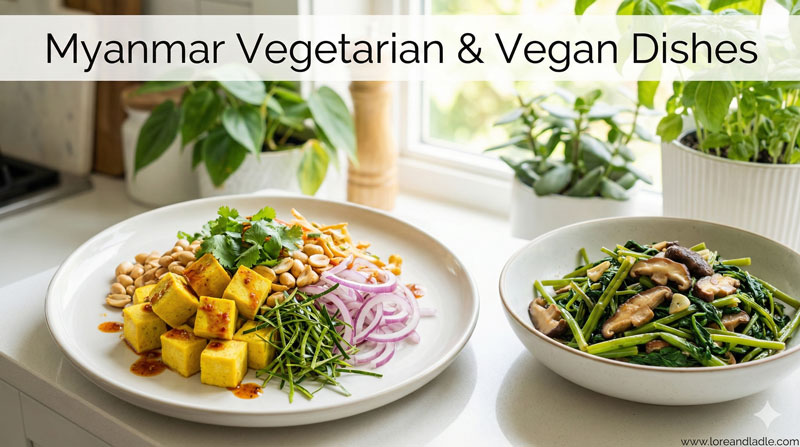
Introducing the dish “Trending Myanmar Vegetarian & Vegan Dishes Dishes in the U.S. This Year” invites readers into a vibrant slice of Burmese food culture. This collection celebrates plant-based meals that shine with fresh vegetables, fragrant herbs, and thoughtful balances of texture and taste. The name itself signals a moment of culinary dialogue between Myanmar and American dining tables, where light, flavorful curries, salads, and stir-fries find welcoming audiences.
Cultural Value
Myanmar’s vegetarian and vegan dishes embody hospitality and daily life. Meals are often shared, small plates arrive in stages, and herbs are used generously to brighten every bite. The cuisine respects seasonality, using ingredients at their peak to honor the land and the cook’s care. In many homes, a table of greens, tofu, lentils, and tangy flavors reflects a culture of mindfulness and generosity. The dishes celebrate community eating, where everyone tastes and savors together. In this way, the trending dishes act as ambassadors, inviting new friends to experience Burmese flavors without heavy spice or meat, but with depth and warmth.
Culinary Significance
What makes these dishes stand out is their balance. The bright zing of lime or tamarind, the warmth of garlic and ginger, and the gentle lift of toasted sesame seed or peanuts create layered taste without heaviness. Textures play a vital role: crisp herbs contrast with silky coconut milk, while soft tofu or chickpeas provide comforting heft. Traditional techniques—quick stir-frying, slow simmering, and careful pickling—are used with skill to extract sweetness from vegetables and savoriness from sauces. A dish like a tea-leaf salad variant, or a coconut-curry vegetable medley, can showcase a spectrum of flavors in a single plate. These dishes remind us how plant-based cooking can be both bright and soulful, with an emphasis on fresh produce and thoughtful seasoning.
In the U.S. Food Scene
This year, Burmese vegetarian and vegan dishes are increasingly appearing in urban menus, pop-ups, and home kitchens across the United States. Diners discover that plant-forward meals can be deeply satisfying, aromatic, and comforting. Chefs highlight tofu, chickpeas, lentils, and greens, often pairing them with fragrant herbs like cilantro, basil, and dill. Social media and food blogs bring these recipes to life with vibrant photos and clear steps, helping home cooks recreate the essence of Myanmar at Home. The trend values accessibility—simple ingredients, clear techniques, and bold, clean flavors that pair well with rice and flatbreads. The result is a richer culinary landscape where traditional Burmese vegetarian and vegan ideas contribute to everyday meals with elegance and ease.
Cooking Tips for Home Cooks
- Stock a simple pantry: onions, garlic, ginger, lime, soy sauce, coconut milk, and a selection of greens.
- Use fresh herbs generously; they brighten even simple curry bases.
- Balance flavors: sour, salty, and slightly sweet notes harmonize to create depth.
- Practice gentle cooking: simmer sauces to meld flavors, then finish with fresh herbs for brightness.
- Explore substitutions: swap vegetables based on what’s seasonal, keeping tofu or lentils as protein anchors.
Conclusion
The dish “Trending Myanmar Vegetarian & Vegan Dishes Dishes in the U.S. This Year” invites admiration for Burmese plant-based cuisine. It celebrates cultural values of sharing, balance, and seasonal care, while showcasing culinary techniques that yield vivid, comforting flavors. Embrace these dishes as a voyage through color, aroma, and texture—an invitation to savor Myanmar’s vegetarian and vegan traditions in a fresh, welcoming American setting.