
Nasi Padang 101: Simple Ways to Unlock Big Indonesian Flavor
Nasi Padang Is a vivid expression of Indonesian cooking. It blends simple rice with a chorus of small dishes, each offering its own character. The result is a meal that feels warm, generous, and deeply connected to everyday life. This guide highlights the dish’s cultural value and culinary significance, inviting you to savor both flavor and tradition.
Rooted in hospitality and shared joy
In Padang and across West Sumatra, food is a welcome that travels from the kitchen to the table and beyond. Nasi Padang is not one dish, but a way of presenting a community meal. A server brings a colorful spread of stews, curries, vegetables, and sauces. Diners choose what they love, or simply let the spread guide their pace and taste. This practice honors generosity and togetherness, turning a simple plate of rice into a celebration of shared meals. The act of gathering around the spread is a ritual that reinforces warmth, respect, and connection.
A vibrant palette of flavors and textures
What makes Nasi Padang stand out is its harmony of contrasts. Savory, spicy, sour, and slightly sweet mingle in each bite. Creamy rendang folds with bright sambal; coconut-rich gulai laces through earthy vegetables; tangy lime or tamarind lifts the palate. Textures range from tender meat to crisp fried elements and smooth sauces. This balance reflects a culinary philosophy that values both depth and brightness. It also showcases the skill of cooks who layer spices—garlic, shallots, chilies, turmeric, lemongrass, cardamom, and coconut milk—in precise ways to achieve a full, lingering aroma.
The cultural concept behind the plate: hidangan and sharing
The “hidangan” approach—an assortment of dishes placed beside rice—embodies a cultural model of eating. It invites choice, conversation, and a rhythm of tasting. The plate becomes a small map of memory: the aroma from the sizzling pan, the brightness of a green chili sambal, the velvet texture of a slow-cooked curry. This system supports everyday life, markets, home kitchens, and street stalls alike. It also teaches balance: a little bit of several dishes can create a complete meal that refreshes the senses.
Core dishes that carry the tradition forward
Several staples anchor Nasi Padang in flavor and meaning:
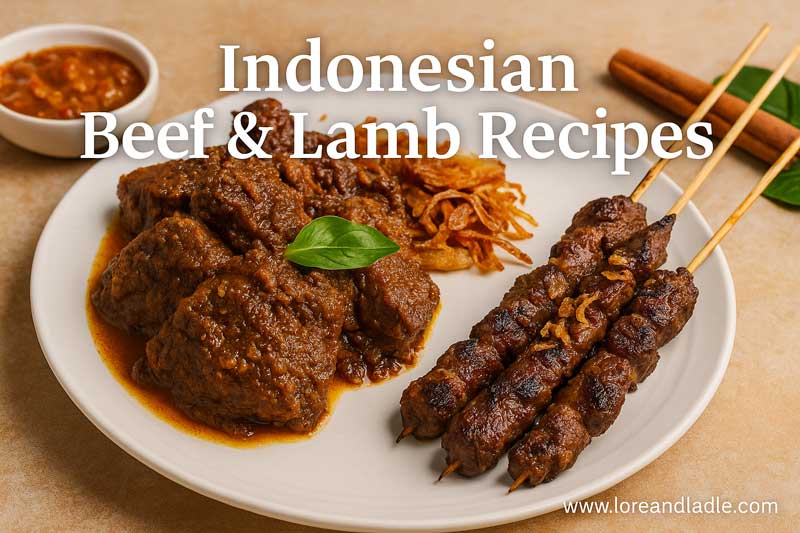
– Rendang: deeply spiced beef slowly simmered in coconut milk and aromatics until tender and fragrant.
– Gulai: a coconut milk curry, often with vegetables or meat, that adds lush sweetness and spice.
– Sambal: a family of chili pastes; a green or red variant can brighten the plate with heat and brightness.
– Vegetables and legumes: greens, root vegetables, and legumes offer freshness and texture.
– Accompaniments: fried shallots, lime wedges, and crisp crackers or chips provide contrasting notes.
These components are adaptable, allowing cooks to honor favorites and seasonal produce. Yet the intent remains consistent: a plate that honors the eater with thoughtful richness.
Simple ways to unlock big Indonesian flavor at home
You can bring the spirit of Nasi Padang into your kitchen with a few accessible steps:
– Start with a fresh base: cook rice so it’s fluffy and fragrant. A simple method with a pinch of salt makes a solid canvas.
– Build a small spread: choose two or three dishes that you enjoy. This keeps the experience true to Nasi Padang’s spirit of variety.
– Make a crowd-pleasing sambal: blend fresh chilies, shallots, garlic, a touch of vinegar or lime, and salt. Sauté briefly to bloom the flavors. A quick sambal can lift every bite.
– Use coconut milk thoughtfully: simmer a curry or a vegetable dish in coconut milk with turmeric and lemongrass for a creamy, bright note.
– Layer spices with care: garlic, shallots, and ginger form the flavor foundation. Add toasted coriander and cumin for depth.
– Balance is key: pair heat with acid (lime or tamarind) and a hint of sweetness (a touch of palm sugar or coconut sugar).
– Respect texture: include at least one dish with a contrasting texture, like a crisp element or a lightly crunchy vegetable.
– Plate with purpose: lay a neat bed of rice and arrange a few colorful portions on top. The visual appeal enhances the dining experience.
A plate that speaks of culture and craft
Nasi Padang is more than technique; it is a story told through aroma and color. The skill to balance heat with brightness, and fat with tenderness, reflects a tradition that values careful preparation and thoughtful seasoning. The dishes honor ingredients, seasonality, and the farmers who supply them. In markets and kitchens alike, cooks practice patience, tasting and adjusting to achieve harmony on the plate. This careful artistry makes Nasi Padang a durable part of Indonesian Food culture.
Serving style, etiquette, and how to enjoy
Eating Nasi Padang is a social event as well as a meal. A shared table with a central spread invites relaxed conversation and a pace that encourages savoring. In many settings, diners take what they want and pass the dishes along with a gesture of consideration. This practice reinforces mutual respect and makes the dining experience welcoming for guests and families alike. The result is a sense of belonging, where food becomes a bridge between generations and communities.
The lasting beauty of Nasi Padang in daily life
Nasi Padang holds a steady place in homes, markets, and eateries. It adapts to everyday life while offering a sense of ritual and pride. The dish’s flexibility—allowing cooks to honor favorites and local produce—helps it stay vibrant across generations. This enduring appeal stems from its generous spirit, its bright flavors, and its easy rhythm that invites people to gather, taste, and share.
Conclusion: inviting you to celebrate the flavor and culture
Nasi Padang 101 invites you to explore more than a meal. It invites you to explore a culture centered on hospitality, balance, and communal joy. By embracing the colorful spread, you honor a culinary tradition that has delighted diners for generations. Whether you savor rendang’s depth, the brightness of a sharp sambal, or the comforting cream of a coconut curry, you participate in a story that welcomes everyone to the table. Enjoy, explore, and let the flavors reveal the beauty of Indonesian cooking.