
Introduction: Delicious Palov – Uzbekistani Rice & Pilaf Specialties Flavor You’ll Love
Delicious Palov is more than a dish. It is a warm tradition that gathers people around a shared pot. In Uzbek cuisine, palov shines with quiet dignity. Its flavors come from careful layers and patient cooking. The result is a comforting, savory harmony that invites conversation and appreciation.
The Cultural Value of Palov in Uzbek Cuisine
Palov stands at the center of everyday meals and special occasions alike. Hosts prepare it to welcome guests, celebrate milestones, or simply honor a family moment. The act of cooking palov becomes a small ceremony—meals begin with warmth, progress with careful attention, and finish with gratitude. The dish expresses hospitality, skill, and care. In many homes, a cook’s pride shows in a perfectly balanced balance of meat, onions, and carrots and in the gentle, even steam that rises from the kazan. Palov links generations through shared technique and memory, enriching the sense of place in Uzbek food culture.
The Culinary Signature: Key Ingredients and Techniques
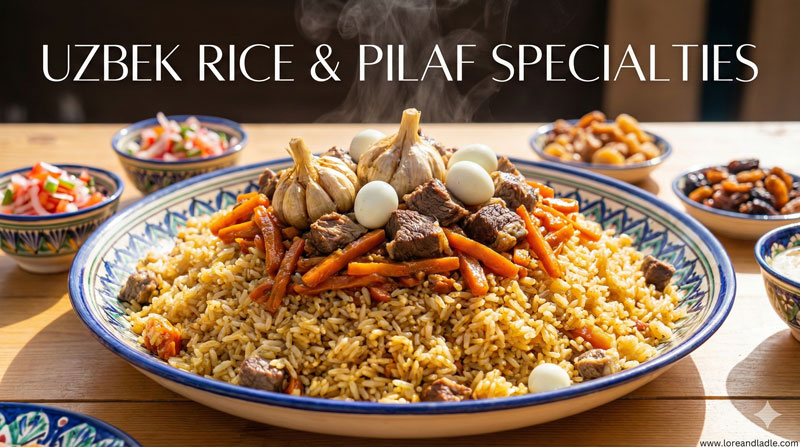
Palov centers on a few simple ingredients, treated with respect. Tender lamb or beef provides depth, while onions release sweetness as they soften. Carrots offer color and a mellow, caramelized sweetness. Oil or fat carries the flavors from the pan to the rice. Aromatics like cumin, coriander, and bay leaf lend warmth without overpowering the dish. Garlic heads tucked into the cooking surface add a gentle aroma. The rice is the quiet star, chosen for its length and texture. The technique matters: meat is browned, onions soften, carrots mingle with the fat, and rice is layered just so. Water or stock crowns the grains, and the dish simmers until the rice is tender and each grain remains distinct. The result is a fragrant, savory dish with depth and balance.
The Great Pan and the Ritual of Preparation
A large, heavy pan called a kazan is traditional for palov. The pan supports even heat and a steady simmer. The cook stays attentive, guiding heat and timing. The method invites careful stirring only when needed, preserving the integrity of the grains. The ritual sense comes from watching the layers come together: meat first, then vegetables, then rice, all slowly breathing together. Families often gather as palov cooks, sharing tasks and watching the aromas rise. This shared process becomes a memory in itself.
The Flavor Symphony: Spices, Toasting, and Layering
Toasting spices awakens their essential oils and fragrances. Whole cumin seeds and coriander seeds release a warm perfume as they crackle in hot oil. The onions caramelize, bringing savory sweetness. The carrots, lightly fried, offer color and a gentle sweetness that balances the meat. Garlic adds a soft, rounded note. When the rice finishes, steam lifts the grains, carrying the perfume of the spices throughout the kitchen. The overall flavor is rich yet balanced, inviting and comforting rather than overpowering.
Palov in Daily Life and Celebrations
Palov is versatile enough for everyday meals and festive gatherings. at Home, it can become the centerpiece of a family Sunday, a special dinner, or a simple moment of shared cooking. In celebrations, palov represents generosity and hospitality. The dish invites guests to savor the careful work of the cook and to enjoy the sense of community around the table. The communal aspect—serving from a single pan to many guests—emphasizes connection and gratitude.
Regional Variations and Personal Touches
Uzbekistan features regional accents in palov. Some regions favor lamb, others beef; some add chickpeas or dried fruits for a touch of sweetness. The size and shape of carrot sticks may vary, and a few regions emphasize a stronger garlic presence. Yet the core idea remains the same: a layered, gently simmered dish where meat, vegetables, and rice harmonize. These nuances reflect local tastes while preserving the universal grace of palov.
Serving Traditions and Pairings
Palov is typically presented on a large, flat platter, allowing everyone to share a generous portion. Fresh bread, herbs, and sometimes fresh greens accompany the dish. Tea often follows, offering a crisp, refreshing counterpoint to the richness of the palov. The serving moment reinforces hospitality: the host offers, the guests accept, and conversation flows around the table.
Tips for Home Chefs: Recreating Palov with Care
Choose long-grain rice that holds its shape. Rinse well and, if possible, soak for 15 to 30 minutes. Use a thick-bottomed pot to prevent scorching and encourage even heat. Brown the meat thoroughly to develop flavor. Layer onions and carrots in a way that they mingle but do not overwhelm the rice. Add water or stock so the grains are just barely covered. Do not stir after the rice is added, as even steam and gentle heat complete the cooking. Let the palov rest briefly before serving to perfectly set the grains. With patience, you can capture the essence of this dish in a home kitchen.
Conclusion: A Dish That Celebrates Craft and Community
Delicious Palov embodies culinary craft and warm hospitality. Its strength lies in simple ingredients treated with care and in a technique passed from cook to cook. The result is a dish that invites sharing, cultivates patience, and honors tradition. With every bite, palov reveals the beauty of Uzbek food culture and the joy of a meal prepared with thoughtfulness and heart.