
Discovering Perfect Katlama
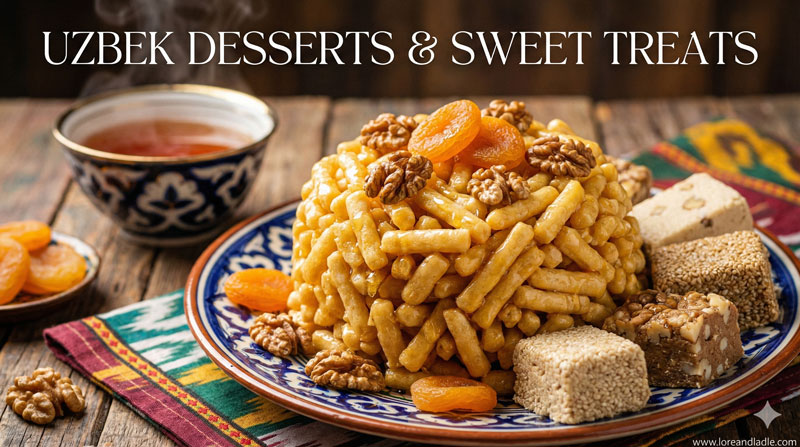
Perfect Katlama invites a moment of quiet delight. This Uzbek pastry carries a luminous tradition of layering and careful baking. The name promises a precise balance of flaky dough, nutty filling, and a touch of honey or syrup. In every bite, you sense a culture that cherishes craft, hospitality, and shared sweets.
What is Katlama and How It Is Made
Katlama is a layered pastry built with thin sheets of dough and a fragrant filling. Bakers brush each layer with butter or oil, then fold and roll to create delicate flaking. The core filling often includes ground nuts, sugar, and sometimes dried fruit or sesame seeds. The pastry emerges crisp at the edges and tender at the center, finished with a gentle glaze that gleams in the light.
The Cultural Tapestry of Uzbek Katlama
Katlama stands at the heart of Uzbek hospitality. Families often prepare it together, teaching younger helpers the rhythm of folding and timing. The dessert appears on celebratory tables as a sign of care and generosity. Its presence links generations, linking a grandmother’s technique with a new kitchen’s curiosity.
Flavor and Texture that Tell a Story
The first bite offers a crisp, honey-sweet crust with a nutty depth. Inside, the soft, layered dough contrasts with the crunchy nut filling. This harmony of textures mirrors a broader Uzbek taste palette: balance, warmth, and depth. Subtle hints of sesame, cardamom, or dried fruit can sing softly, enhancing the pastry without overpowering it.
Traditions, Occasions, and Shared Moments
Katlama often marks gatherings, tea rituals, and festive weekends. It travels from kitchen to table with a respectful hush, inviting conversations and smiles. The dessert pairs nicely with strong green tea or fragrant black tea, encouraging slow savoring. In many homes, sharing Katlama is a small ceremony of thanks and friendship.
The Craft of Layering and Baking
The beauty of Katlama lies in its precise technique. Each thin sheet must be rolled just so, each brush of fat or syrup deliberate. Temperature control guides the bake, ensuring the outer crust glows golden while the interior stays moist. Patience and practice reveal the pastry’s true character, a delicate interplay of air and richness.
Regional Variations and Modern Twists
Across Uzbek regions, bakers adjust the nut mix, spice notes, and glaze to reflect local preferences. Some variants lean toward almonds and pistachios, others favor sesame or dried fruits. Modern kitchens sometimes introduce subtle citrus zest or honey syrups for a bright finish, while respecting traditional proportions and textures.
Serving Etiquette and Pairings
Serve Katlama in generous, square portions to showcase its layers. A small plate of pistachios or fresh fruit can complement the dessert without competing with its sweetness. The inviting aroma invites guests to linger, sharing stories as tea warms the moment. Good timing and gentle care elevate the experience from dessert to memory.
Keeping the Legacy Alive in Modern Kitchens
Today, home cooks can honor tradition with accessible tools and clear steps. Start with quality flour, fresh nuts, and pure butter for an authentic flavor. Practice patience, and let the layers speak for themselves. By preserving these techniques, Perfect Katlama remains a living tribute to Uzbek culinary artistry.
A Final Note on Flavor and Culture
Perfect Katlama embodies more than sweetness; it embodies craft, generosity, and shared meals. Its flavor tells of careful hands and patient time, while its presence tells of welcome and warmth. In every slice, the dish celebrates a vibrant food culture that welcomes you to the table.