
Perfect Lagman – Uzbekistani Fusion & Modern Twists Flavor You’ll Love
Lagman stands as a vibrant meeting point of tradition and imagination. In Uzbekistan, this dish is more than a meal; it is a celebration of craft, community, and color. The name itself invites curiosity: a noodle-filled journey that welcomes every eater to savor deep, comforting flavors with modern sparks. This post highlights the cultural value and culinary significance of Perfect Lagman, a dish that honors roots while inviting fresh expression.
A Dish Rooted in Uzbek Kitchen Traditions
Lagman has earned a cherished place on Uzbek tables. Families prepare it as a hearty offering for gatherings, and cooks pass down methods through generations. The dish blends hand-made noodles, a savory meat broth, and a chorus of vegetables. Each bowl tells a story of seasonal produce, regional tastes, and the skill of the cook who brings everything together. The beauty lies in balance: a robust broth that carries the tenderness of meat, the chew of fresh noodles, and the brightness of herbs. This balance mirrors the Uzbek value of hospitality, where food opens conversations and creates shared moments.
The Craft of Hand-Pulled Noodles
The signature texture of lagman comes from hand-pulled or carefully rolled noodles. Chefs and Home Cooks coax the dough into long, slender strands that soak up the broth without losing their bite. The process fosters attention and patience. As noodles soften, they release a gentle starch that helps marry the savory liquid with vegetables and meat. This craft links everyday cooking to artistry, and it reflects a culture that honors techniques handed down with care.
Aromatics and Slow Simmer: The Soul of Lagman
A good lagman begins with a thoughtful base. Onions, garlic, and peppers sauté slowly to build sweetness and depth. Meat—often lamb or beef—joins the pot and browns before simmering to tenderness. Carrots, tomatoes, and other vegetables wake the broth with color and texture. Spices such as cumin, coriander, paprika, and pepper layer warmth without overwhelming the dish. The simmering time matters; patience creates harmony among the ingredients. The result is a fragrant bowl where every aroma invites a deeper taste exploration.
Fusion Twists: Modern Flavors Respecting Tradition
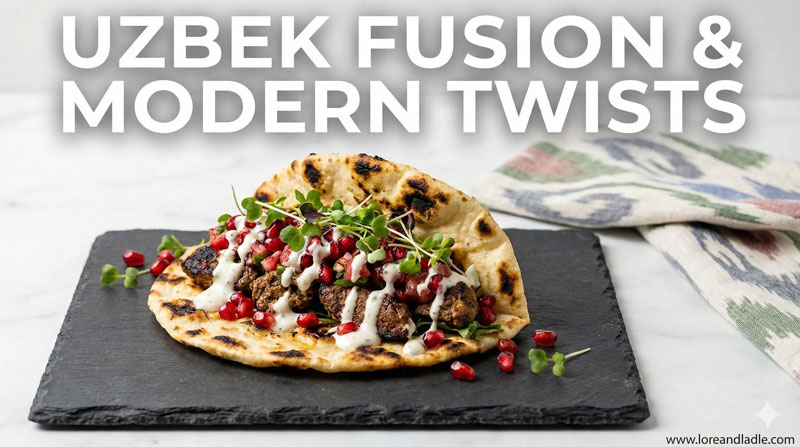
Perfect Lagman embraces fusion as a respectful dialogue between past and present. Modern twists show the dish’s adaptability while preserving its essence. Chefs experiment with noodle shapes, from thicker strands to slender ribbons, to change how the bite meets the broth. They also explore spice blends, adding gentle heat, smoky notes, or herbal brightness to suit contemporary palates. Toppings and garnishes—such as fresh cilantro, mint, toasted seeds, or a drizzle of aromatic oil—provide finishing touches that feel lively yet grounded. These twists demonstrate creative care: the dish remains Lagman at heart, while inviting new textures, colors, and scents that enhance the dining experience.
Cultural Value: A Dish of Sharing and Storytelling
Lagman shines as a social food. Many households prepare a large pot that invites everyone to gather around, talk, and connect. The act of cooking becomes a shared ritual, with each person contributing ideas, ingredients, or a steady hand. In this way, lagman fosters a sense of belonging and communal pride. The dish also serves as a canvas for regional pride, with families celebrating their own spice notes, noodle thickness, or preferred vegetables. Such variation enriches the cuisine while keeping a common thread intact: lagman is a welcoming bowl that brings people together.
Regional Variations and Shared Identity
Across Uzbekistan, cooks acquire distinctive touches that reflect local markets, climates, and family memories. Some regions favor leaner broths with a brighter tomato presence; others lean into richer, deeper flavors with longer simmer times. Noodle texture may lean toward firmer bite or softer chew, guided by local practice and access to flour quality. Yet the core remains constant: a comforting noodle dish built on a flavorful broth, tender meat, and fresh vegetables. These differences celebrate a shared culinary identity shaped by place, season, and personal tradition.
Serving, Etiquette, and Plate Presentation
Lagman is often served with attention to presentation and balance. A generous bowl comes with a side of fresh herbs, sliced chili or pepper for heat, and sometimes a wedge of bread or flatbread to dip into the broth. Diners mix the noodles, meat, and vegetables at the table, adjusting the balance to their taste. This shared ritual embodies hospitality and care, inviting everyone to participate in the final flavors. The presentation highlights color and freshness, making each serving feel inviting and celebratory.
The Flavor Journey: Texture, Aroma, and Color
The pleasure of Perfect Lagman rests in its sensory layers. The chew of the noodles contrasts with the melt-in-your-mouth meat, while the broth envelops each piece with warmth. Aromatics lift the dish, and fresh herbs brighten the finish. The color palette—amber broth, vibrant vegetables, and pale noodles—creates an appetizing look that signals comfort and nourishment. Each bite tells a small story of technique, regional influence, and thoughtful fusion that honors tradition while inviting new taste experiences.
Conclusion
Perfect Lagman – Uzbekistani Fusion & Modern Twists Flavor You’ll Love stands as a testament to culinary craftsmanship and cultural affection. It shows how a traditional dish can evolve through careful experimentation, all while preserving the heart of what makes lagman meaningful: generosity, skill, and a shared table. Whether you savor the classic approach or enjoy a refined modern twist, lagman remains a living bridge between past flavors and today’s imagination. It invites cooks and eaters alike to honor the craft, celebrate community, and keep this cherished dish thriving for generations to come.