
Discover Plov – Uzbekistani Rice & Pilaf Specialties Flavor You’ll Love
Plov is more than a meal. It Is a window into Uzbek culture, a bowl that holds memory, craft, and shared warmth. When the pot opens, you hear a welcome. When the scent rises, you feel hospitality. This dish, known as plov in Uzbekistan, blends simple ingredients into a celebration of everyday life. It speaks softly of farmers’ fields, family kitchens, and weddings celebrated with care. This is the story of a flavor you will love, and a tradition that enriches the table with meaning.
What is Plov?
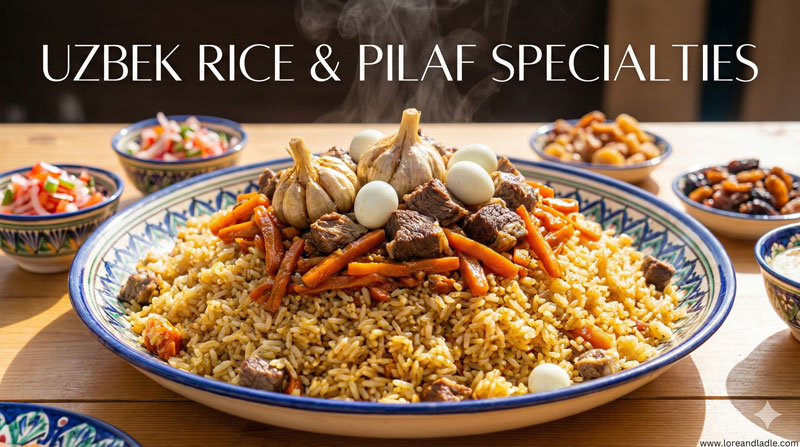
Plov is a dish built on rice, meat, onions, and carrots, cooked slowly to coax depth from each layer. The rice remains firm and fluffy, the meat tender, and the vegetables sweet and aromatic. A generous pour of clear oil helps carry the scent of cumin, coriander, and pepper through the kitchen. The method matters as much as the ingredients. A wide, heavy pot keeps heat even and lets flavors mingle. The process creates a gentle crust at the bottom when the juices reduce and the steam finishes the rice. This crust is not a mistake but a reward—a sign that patience and technique have done their quiet work.
A Centerpiece of Uzbek Hospitality
In Uzbek homes, plov often sits at the heart of gathering tables. Guests arrive, and the pot becomes the focal point of conversation and care. The act of sharing plov is a gesture of welcome. In many communities, the meal begins with a nod to the cook and a moment to appreciate the pot’s steady simmer. Plov invites conversation, storytelling, and laughter. It signals that people have time for one another. In this way, the dish embodies hospitality as a cultural value—simple, generous, and enduring.
The Craft of Cooking Plov
The craft behind plov rests on balance and timing. Start by browning meat to develop flavor, then add onions to perfume the space. Carrots join next, bringing color and subtle sweetness. The rice is rinsed and added with measured water, so grains stay separate and springy. A handful of spices—commonly cumin and coriander, sometimes pepper or a touch of paprika—lift the dish without overpowering it. Heat is managed carefully: a lively start, then a gentler simmer as the rice absorbs liquid. Finally, steam finishes the dish, sealing in flavor and texture. The cook’s attention to each layer creates a dish that tastes like home, even when new flavors float in.
Aromatics, Texture, and Color
Plov delights the senses through its aroma, texture, and hue. The scent of toasted spices invites curiosity. The onions melt into sweetness, while carrots add brightness and a caramelized edge. The grains of rice stay distinct, yet join the whole in harmony. The color—golden rice with orange ribbons from the carrots—feels warm and inviting. This balance of texture and aroma makes plov a comforting dish that feels both simple and refined at once.
regional Variations Across Uzbekistan
Across Uzbekistan, cooks adapt plov to local palates and traditions. In some regions, lamb provides a rich, earthy backbone; in others, beef stands in for a lighter finish. The choice of spices and the size of the carrot dice can shift the dish’s personality. Some cooks emphasize a stronger bottom crust, while others focus on a uniform texture throughout. Each variation preserves the core idea: a savory, satisfying rice dish served in a shared setting. The differences invite guests to taste with curiosity and respect for regional technique.
Plov in Celebrations and Everyday Meals
Plov fits both grand occasions and everyday meals. It appears at harvest celebrations, family feasts, and neighborhood gatherings. It also graces weekday dinners, where cooks prepare it with care after a long day. This flexibility shows plov’s cultural value: it bridges the ceremonial and the ordinary. The dish carries a quiet dignity that suits both formal and informal moments. In every setting, plov communicates the value of preparation, attention, and sharing.
Pairings, Servings, and Etiquette
Plov pairs well with simple accompaniments that let its flavors shine. A fresh green salad provides a crisp counterpoint and balance. Flatbread invites guests to savor each bite with hands or a fork. Tea is commonly offered to close the meal, inviting calm conversation. Servings are generous but thoughtful, reflecting the host’s desire to ensure everyone feels included. The serving pace is gentle, allowing guests to linger, ask questions about the dish, and savor the moment. These small rituals reinforce the sense of care that surrounds plov.
Preserving a Time-Honored Tradition
Families pass down plov through hands and stories. A grandmother teaches the rhythm of browning onions just so, a parent shows How to gauge heat, and a child learns how to balance spices. This transmission keeps the dish alive, not as a relic, but as a living practice. Each cook adds personal touches, from the choice of spices to the pace of stirring. In this way, plov becomes a bridge between generations, a shared language of flavor that persists through time.
A Memory in a Bowl
Eating plov is an invitation to memory. The dish evokes warm kitchens, bustling markets, and shared meals with loved ones. It reminds us that food is a social act—one plate, many stories, and a moment of connection. When you taste plov, you taste the care that people bring to their craft, the patience of traditional methods, and the joy of hospitality that makes communities feel like home.
Conclusion
Discover Plov – Uzbekistani Rice & Pilaf Specialties Flavor You’ll Love offers more than a recipe. It provides a portal into a culture that cherishes family, craft, and community. The dish celebrates simple ingredients elevated through technique, patience, and sharing. It invites you to watch a kitchen become an afternoon of conversation and warmth. If you seek a meal that honors place and people, plov welcomes you with a fragrant, flavorful embrace. Enjoy the aroma, the texture, and the social heart of this timeless Uzbek favorite.