
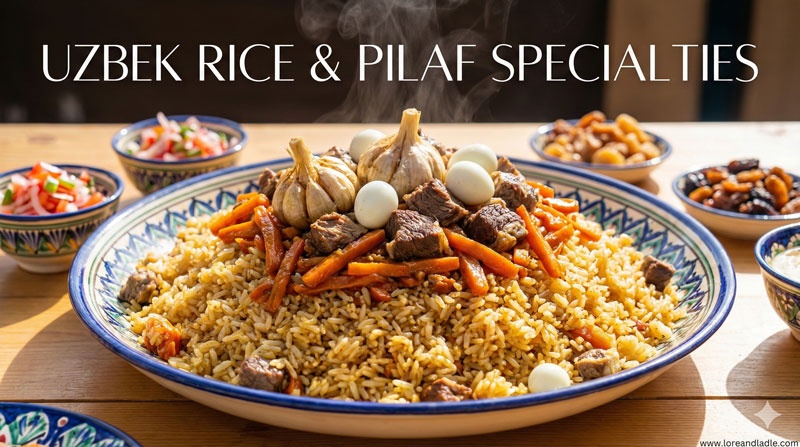
Popular Beshbarmak – Uzbekistani Rice & Pilaf Specialties Flavor You’ll Love
This dish stands at the heart of Uzbek kitchen culture. It blends comforting textures with a sense of place, inviting families to gather and share. The name itself hints at its spirit: warmth, generosity, and a timeless approach to cooking. When you taste Popular Beshbarmak, you experience more than flavor—you feel a tradition of care, craft, and community.
A Snapshot of Cultural Value
In Uzbek culture, meals are about presence as much as taste. Popular Beshbarmak embodies this idea. It brings people together around a large serving dish, encouraging conversation and connection. The act of sharing mirrors a long history of hospitality. Cooks honor guests by presenting a dish that looks and smells inviting. This ritual strengthens family bonds and friendship, turning a simple meal into a social ceremony.
Across towns and villages, the dish adapts to local favorites while preserving a core identity. You will notice variations in tenderness of meat, depth of onion sweetness, and the balance of textures. Yet the essence remains the same: a dish born from care, prepared with patience, and shared with warmth. In every bite, there Is a whisper of Uzbek street markets, family kitchens, and festive tables.
A Culinary Signature: The Craftsmanship Behind the Dish
The beauty of Popular Beshbarmak lies in its careful layering. First, cooks prepare a savory broth that carries the promise of the whole dish. Then they simmer tender meat until it falls from the bone with gentle ease. The onions follow, slowly caramelizing to bring sweetness and depth. Finally, flat ribbons or broad noodles are arranged on the plate, inviting the meat to rest atop and mingle with aromatics.
The method speaks to a philosophy of balance. Hearty, satisfying flavors meet lighter, more delicate notes to create harmony. The choice of herbs and spices accents the meat without overpowering it. In this way, the dish teaches respect for ingredient voices and patience in technique. The result is a comforting, nourishing experience that feels both rustic and refined.
Ingredients and Their Stories
Each component tells a small story of place and tradition. Tender meat provides protein and warmth, a staple in many Uzbek meals. Onions add sweetness and depth, echoing the way markets and kitchens reveal character over time. The noodles provide texture contrast, offering a soft, comforting base that carries the savory broth. When rice or pilaf-inspired grains are used, they bring a subtle, fragrant lift that reminds diners of regional cooking styles.
Herbs and seasonings—think garlic, black pepper, cumin, and coriander—shine without stealing the spotlight. They are the quiet confidence behind the dish, enhancing every mouthful with familiarity. The result is a plate that feels approachable, yet carries the dignity of a carefully prepared meal.
Serving Traditions and Shared Tables
Serving Popular Beshbarmak is an invitation to participate in a shared experience. The dish is often presented on a large platter, encouraging guests to take portions with care and generosity. In many homes, it becomes a focal point for conversation, where memory and daily life mingle over steam and aroma. The act of serving—helping another person with a piece of noodle, a portion of meat, or a ladle of broth—embodies hospitality in motion.
Eating is equally meaningful. Diners may savor the meat first, then enjoy the noodles and broth together. This sequence emphasizes texture and flavor evolution as the meal progresses. The experience is gentle, unhurried, and designed for lingering moments of connection.
Regional Variations and Everyday Meals
Uzbekistan showcases a delightful range of versions, each rooted in local taste and practice. In different regions, cooks may emphasize the tenderness of the meat, alter the onion sweetness, or adjust the balance of noodles to broth. Some kitchens incorporate rice or pilaf-like grains to reflect regional rice traditions, creating a familiar bridge between dishes. These variations highlight how cuisine travels and settles, enriching the cultural landscape while staying true to core techniques.
What remains constant is the idea that food tells a story. Each home may add its own flourish, yet all versions honor family, friendship, and the joy of sharing a meal.
The Dish in Celebrations and Everyday Life
Popular Beshbarmak shines in both daily meals and special occasions. On ordinary days, it brings comfort after a long day and warmth to the table. During celebrations, the dish becomes a centerpiece that symbolizes abundance and care. Its presence signals hospitality and a wish for good fortune for guests and family alike.
This dual role reflects a culture that prizes both everyday goodness and meaningful gatherings. The dish is not just sustenance; it is a small ceremony that celebrates life’s ordinary and extraordinary moments with equal regard.
A Gateway to Flavor and Culture
For food lovers and curious readers, Popular Beshbarmak offers a gentle entry into Uzbek culinary culture. The dish invites you to notice practical skills: the timing of browning onions, the simmering of broth, and the precise texture of noodles. It welcomes you to savor the balance of hearty protein with the subtler sweetness of aromatics. Most importantly, it invites you to reflect on how a single dish can connect people across kitchens, generations, and memories.
A Thoughtful Conclusion
Exploring Popular Beshbarmak – Uzbekistani Rice & Pilaf Specialties Flavor You’ll Love reveals more than a recipe. It reveals a culture that values generosity, craft, and shared meals. It celebrates the art of turning Simple Ingredients into something meaningful and transcendent. Whether you are sampling it in a home kitchen or reading about its traditions, you are invited to appreciate the dish as a living part of food culture—an accessible joy that invites conversation, memory, and lasting appreciation.