
Introduction
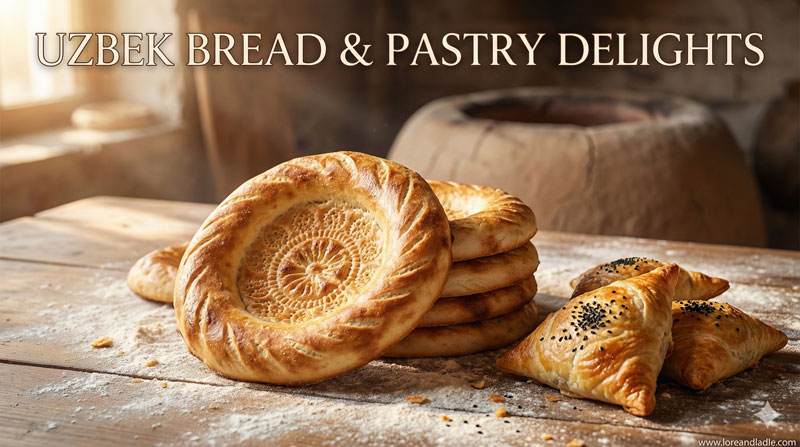
Popular Manti – Uzbekistani Bread & Pastry Delights Flavor You’ll Love welcomes readers to a story of warmth and craft. In Uzbekistan, manti stand as a cherished centerpiece of home life. Thin, soft dough gently encases a savory filling, and steam releases a welcoming aroma that fills the kitchen. This dish embodies hospitality, family rhythm, and shared nourishment. in the sections that follow, you’ll discover its cultural value and culinary significance, told with care and clarity.
What are Manti?
Manti are dumpling-like pastries made with a delicate dough and a flavorful filling. The dough combines flour, water, and a touch of salt, then is kneaded until smooth. It rests briefly, then is rolled very thin. The filling typically blends ground lamb or beef with onions and spices, creating a savory, aromatic center. Some homes also offer vegetarian variations, such as pumpkin, for a gentle sweetness. Each piece is folded with attention, producing small packets ready to be steamed to perfection.
A Cultural Marker of Uzbek Hospitality
In Uzbek culture, manti symbolize welcome and sharing. They appear at family gatherings, seasonal celebrations, and weekend feasts. The process of making manti becomes a social ritual, inviting conversations and laughter as loved ones work side by side. Serving manti after a meal reinforces a sense of togetherness, care, and mutual respect. The dish echoes values of generosity and attentiveness that shape everyday life.
The Craft: Dough, Filling, and Steam
The craft begins with a simple dough, then moves to patient rolling. The goal is translucence without tearing. The filling blends meat with onions and spices for depth and sweetness. Pinched edges and careful sealing ensure the filling stays contained during steaming. Steam cooks the dumplings gently, preserving juiciness and aroma. A traditional mantovari or a sturdy steamer basket helps carry steam evenly for a tender finish.
Serving Traditions and Etiquette
Manti appear on large platters or shared trays, inviting a communal tasting. They are often accompanied by a dollop of yogurt or sour cream, a drizzle of pepper sauce, and fresh herbs. A cup of tea or a glass of ayran can reinforce the warm, comforting mood. Diners typically eat with chopsticks or a spoon and fork, savoring each bite in slow, appreciative steps. The serving style invites conversation and gratitude for the cooks’ skill.
Flavor Profile and Sensory Experience
The experience blends texture and aroma. The dough yields softly to the bite, with a gentle chew that carries the filling’s moisture. Onion sweetness and meat savor create a balanced, lingering taste. Steam fragrance—garlic, pepper, and herbal notes—fills the air, heightening anticipation. Each manti delivers a comforting, uplifting sensation that connects palate with tradition.
Regional Variations and Modern Interpretations
Across Uzbekistan, you’ll notice regional touches. Some regions favor larger dumplings with richer fillings; others prefer a lighter, more delicate profile. Shapes may vary—from rounded pockets to neatly folded squares—yet the essence remains: a tender wrapper and a flavorful center. Modern cooks honor tradition while exploring subtle twists, such as aromatics, fresh herbs, or occasional vegetable accents. The result Is a living tradition that adapts with care while keeping its core identity.
Preserving a Shared Culinary Heritage
Family recipes pass from one generation to the next, preserving technique and memory. The act of teaching a younger cook to roll, fill, and seal keeps the culture vibrant. Local markets, home kitchens, and small eateries celebrate manti as a daily joy and a ritual of celebration. By preparing and sharing them, communities preserve a heritage that nourishes both body and spirit.
Conclusion
Popular Manti – Uzbekistani Bread & Pastry Delights Flavor You’ll Love invites you to savor more than a dish. It invites you to savor a culture of hospitality, craftsmanship, and shared meals. The harmony of thin dough, savory filling, and careful steaming reveals a timeless beauty. When you encounter manti, you encounter Uzbek culinary artistry, a warm invitation to gather, share, and celebrate delicious tradition.