
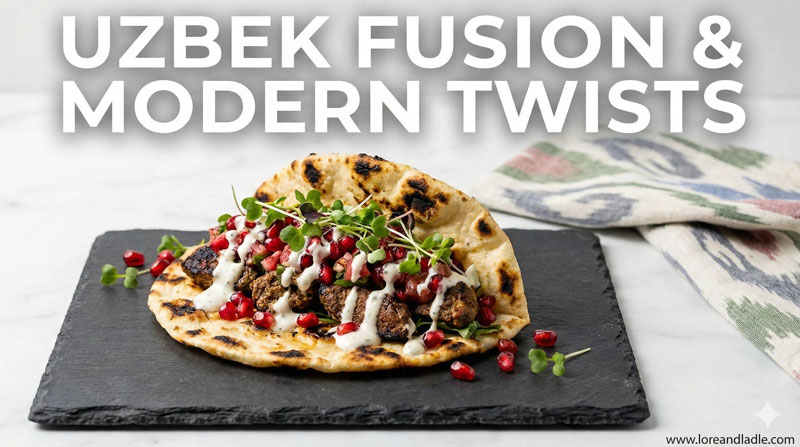
Discovering Popular Manti – Uzbekistani Fusion & Modern Twists Flavor You’ll Love
Popular Manti – Uzbekistani Fusion & Modern Twists Flavor You’ll Love is more than a dish; it is a vibrant expression of shared meals and careful technique. This dish blends timeless Uzbek methods with inventive twists that brighten the table for today’s diners. It invites curiosity about texture, aroma, and the stories carried by every bite. In this post, you’ll explore its cultural value and culinary significance, with a focus on harmony between tradition and innovation.
A cornerstone of hospitality and togetherness
In Uzbek culture, food acts as a warm greeting and a way to honor guests. Manti, including the popular fusion version, often appears when family gathers or friends share a casual afternoon. The act of rolling dough, filling wrappers, and placing dumplings in a steamer becomes a collective pastime. Each hand in the kitchen contributes to a larger sense of welcome. The dish embodies patience, care, and the joy of sharing. The steam rising from the pot signals a moment of connection, a cue to slow down and savor the company around the table. This social dimension is a key part of its cultural value, turning a simple meal into a ritual of friendship and remembrance.
The craft: dough, filling, and steam
The soul of manti lies in three simple components: dough, filling, and steam. The dough is made with flour, water, a pinch of salt, and sometimes a touch of oil. It becomes thin enough to encase a generous, flavorful filling without tearing. The filling blends ground meat—traditionally lamb or beef—with finely chopped onions, herbs, and a careful balance of seasoning. The finished dumplings are shaped with care, then arranged to steam slowly. Steaming preserves moisture and enhances the tenderness of the filling. The mantovarka or steam pot is often used in Uzbek kitchens, shaping the experience as much as the taste. The result is a dumpling that feels both delicate and satisfying, a small package of warmth.
The beauty of Uzbek technique and sensibility
What makes Popular Manti unique is how technique carries meaning. The dough must be rolled to the right thinness, strong enough to hold the filling yet light on the palate. The filling should be balanced, allowing the meat and onion to mingle without overpowering each bite. Finally, the steaming time is a careful calibration. Too brief, and the texture feels firm; too long, and the filling can lose brightness. This attention to balance reflects a broader Uzbek culinary sensibility: food as a thoughtful act, where every step respects the ingredients and the eater.
Fusion twists: new flavors, timeless charm
Fusion flavors bring a playful edge to the traditional manti. Modern twists often use vegetables and herbs that brighten the filling and offer new textures. Think pumpkin or squash subtly sweetened by spices, or mushrooms that add earthy depth. Spinach or chard leaves can be folded into the mix for a green note. In some versions, the dough itself takes on color or flavor with a hint of beet or carrot juice, offering a gentle visual surprise and a hint of sweetness. Sauces accompanying the dumplings can range from a garlic-yogurt dip to a bright herb dressing, each enhancing the dumpling’s brightness. These twists honor the core idea of manti—handcrafted food that brings people together—while inviting contemporary palates to participate in the tradition. The result is a dish that honors the past while speaking to modern preferences for fresh textures, seasonal produce, and balanced sauces.
Regional voices: variation across Uzbekistan
Uzbekistan’s diverse regions bring subtle differences to manti, enriching the dish with local character. In some areas, the filling leans toward lamb with a little more onion for sweetness, producing a robust aroma. In others, beef is preferred, offering a cleaner, lighter finish. The size and shape of the dumplings can vary, with some communities making smaller, delicate folds and others crafting a larger pocket to hold a more generous filling. The steaming technique can also show regional nuance: a steady, gentle steam to keep the wrapper tender, or a brisker session when time is tight during a busy market day. Across towns and villages, these variations celebrate local tastes while keeping the shared essence of manti intact: a dumpling that comforts and connects.
Serving traditions: a plate for sharing and aroma
Serving manti is an occasion in itself. They are typically presented on a wide platter, letting friends and family take small portions to extend the moment of gathering. A dollop of yogurt or a garlic-herb sauce often accompanies the dumplings, adding cool contrast to the warm, savory filling. Fresh dill, coriander, or parsley can brighten the plate, echoing the herbs in the filling. The presentation emphasizes generosity; everyone serves themselves, and the act of distributing slices or dumplings reinforces a sense of communal care. The scent of steam, onion, and herbs fills the room, inviting conversation and slower savoring. In this way, the dish becomes a living tradition, not merely a meal but a memory-in-the-making.
A mindful approach to balance and taste
For many cooks, the beauty of Popular Manti lies in balance. The dough must be silky yet sturdy; the filling must carry aroma without overpowering the delicate wrapper; the accompanying sauce should elevate without stealing the show. This balance mirrors a broader culinary philosophy: respect for the main ingredients, restraint in seasoning, and an openness to new ideas. The fusion twists add excitement, but they do not abandon the core principle of harmony. The result is a dish that can delight a new generation of cooks while remaining deeply satisfying to those who cherish traditional flavors.
Culinary significance: nourishment, craft, and memory
Beyond taste, manti holds culinary significance as a craft that passes from maker to maker. The process of kneading dough, shaping each dumpling, and coordinating steam requires patience and practice. This lineage of technique connects Home Cooks, street vendors, and professional chefs across generations. The dish also symbolizes nourishment: a nutritious meal that brings energy for daily life and celebrations alike. The gentle textures and savory depths create a sense of comfort, a culinary anchor in a menu of varied flavors. In this way, Popular Manti serves as a bridge between everyday foodways and the moments we set aside for gratitude and sharing.
How to experience it: tips for home cooks
- Respect the dough: knead until smooth, then rest to relax the gluten. A rested dough is easier to roll thin and less prone to tearing.
- Balance the filling: combine meat with onions and herbs, then let the mixture rest a moment to marry flavors before filling the wrappers.
- Gentle steaming: use a wide steamer surface and moderate heat to keep the wrapper tender and the filling moist.
- Sauce with care: offer a yogurt-based dip with garlic and fresh herbs, plus a touch of acidity from lemon or vinegar to brighten the dish.
- Embrace fusion thoughtfully: try one twist at a time, such as adding roasted pumpkin or sautéed mushrooms, and adjust seasoning to maintain harmony with the traditional backbone.
The future of Popular Manti: inviting new flavors and communities
As chefs and home cooks explore, the dish grows with new ingredients and sustainable practices. Local produce can shape the fillings and the color of the wrappers, while careful sourcing supports farmers and markets. Fusion twists invite curiosity without erasing heritage. Each plate becomes a storytelling opportunity, sharing the love of careful making, seasonal ingredients, and the joy of sharing a warm meal. The evolving versions of manti remind us that tradition is not frozen; it can breathe, adapt, and flourish on contemporary tables.
Conclusion: value, craft, and a welcoming table
Popular Manti – Uzbekistani Fusion & Modern Twists Flavor You’ll Love stands at the crossroads of tradition and discovery. It is a dish that honors the craft of dough, the richness of filling, and the artistry of steam. It invites people to gather, share, and savor a moment together. Through its regional variations and modern twists, the dish celebrates a culture that treasures hospitality, balance, and flavor. By embracing both history and invention, this manti reflects a timeless love of food and a hopeful curiosity about what a plate can offer for future meals and memories. If you seek a dish that is inviting, respectful, and deeply rooted in the joy of communal eating, this manti welcomes you to the table.