
Introduction
Comfort Food Cravings: pupusa trucks popping up across U.S. neighborhoods You’ll Want Again and Again invites readers to explore a dish that blends simple technique with rich cultural value. Pupusas are more than a snack; they are a warm ritual that travels from a griddle to a table with a promise of satisfaction. In U.S. neighborhoods, these trucks become gathering spots where aromas invite conversation and shared bites. The beauty lies in how a humble disk of masa becomes a canvas for flavors, textures, and small moments of joy. This post highlights the cultural value and culinary significance of pupusas, focusing on craft, taste, and the welcoming presence of the street-side pupusa stall.
The Craft Behind Pupusas
The heart of a pupusa is masa, a dough built from ground maize, water, and a touch of salt. The dough rests briefly, then is shaped by hand and pressed. A hot griddle gives the exterior a gentle sear, while the center stays soft and warm. The technique is precise but accessible; it rewards steady hands and patience. When the pupusa meets heat, cheese or a savory filling melts in, creating a comforting oozing center. Each bite balances a crisp edge with a tender core. The craft is visible in the vendor’s rhythm: press, fill, seal, flip, and serve while the masa remains pliant and the cheese stays bright. This skill creates consistency and trust, so regulars know they’re getting the same comforting bite each time.
Fillings and Variations
Pupusas shine because of their fillings. The classic “queso” version delivers a simple, satisfying cheese pull. Bean fillings bring a nutty, earthy note. Pork lovers enjoy “chicharrón,” a savory, seasoned meat that teams well with the dough. For something brighter, a loroco and cheese pupusa blends floral notes with richness. There are many variations, including mixed fillings like “revuelta” that combine cheese, beans, and pork. Vegetarians and plant-forward eaters find appealing options as well. The beauty is in how the fillings complement the masa, creating a harmony of texture—soft center, crisp edges, and a filling that bursts with flavor at every bite.
The Accompaniments: Curtido and Salsa
No pupusa is complete without its accompaniments. Curtido is a tangy, fermented slaw made with cabbage, carrots, onions, and oregano. Its bright acidity cuts through the fat and refreshes the palate. Salsa roja adds a gentle heat and a clean, fruity brightness. Together, curtido and salsa elevate the pupusa, providing contrast in texture and a lively balance of flavors. The accompaniments turn a simple pocket of masa into a complete sensory experience, inviting you to savor each bite slowly and attentively.
A Street Food Ritual Across Neighborhoods
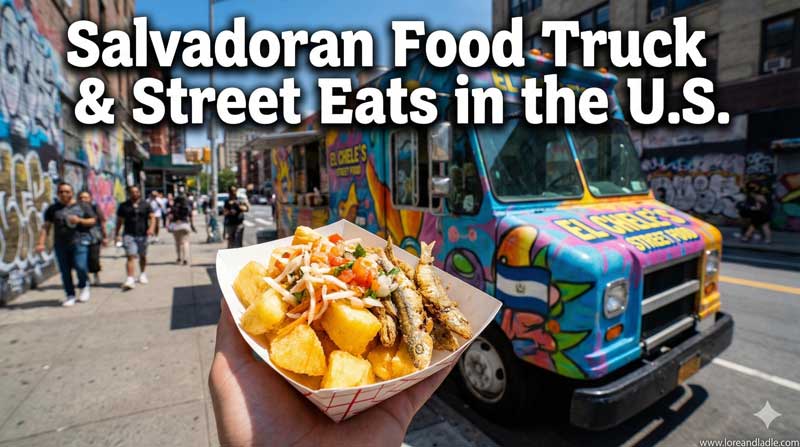
In many U.S. cities, pupusa trucks have become beloved fixtures in local food scenes. The trucks bring a portable, approachable form of tradition to diverse neighborhoods, making a classic dish feel immediate and accessible. Patrons line up, chat with the vendor, and watch the masa press and sizzle on the griddle. This ritual is social as much as culinary; it fosters a sense of place and routine. The trucks adapt to local tastes, sometimes offering fresh twists while preserving the core appeal: a hot, comforting, and flavorful experience. The result is a traveling culture of sharing, where a dish from one region finds new admirers in many more places.
Why Pupusas Sit at the Heart of Comfort Food
Pupusas embody comfort through warmth, flavor, and reassurance in a single bite. They are portable, quick to enjoy, and endlessly customizable, making them suitable for a busy day or a relaxed evening. The process—mixing masa, pressing by hand, and cooking on a hot griddle—highlights skill and care. That combination resonates across communities, inviting people to slow down and savor a well-made bite. The street trucks give the dish a friendly, communal stage, where conversations unfold as naturally as the flavors in the food. In this way, pupusas become a celebration of good food, shared with neighbors and friends, time after time.
Conclusion
Exploring pupusa trucks in U.S. neighborhoods reveals more than a tasty snack; it reveals a culture of craft, warmth, and shared enjoyment. The masa, the fillings, and the pairing with curtido and salsa compose a timeless meal that travels well and connects people. If you see a pupusa truck, step closer. You’ll discover a dish that welcomes you with a crisp edge, a tender center, and a heartening sense of community. This is comfort food at its best—simple, flavorful, and endlessly inviting.