
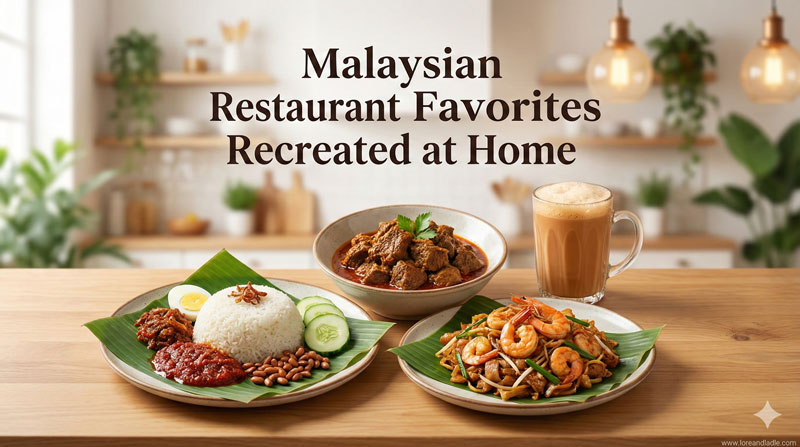
From Malaysia to America: A Home Cook’s Guide to Restaurant-Style Beef Rendang at Home
Beef rendang is more than a dish. It is a living thread in the fabric of Malaysian food culture. In homes across the country, cooks slow down time to coax aroma, texture, and depth from a humble mix of spices and coconut. This article explores the cultural value and culinary significance of beef rendang, and it offers a home cook’s route to a restaurant-style result in American kitchens. The goal is to honor the dish’s beauty while inviting you to share in its tradition with respect and curiosity.
What makes Rendang a cultural treasure
Rendang gathers people around the stove and the table. It tells a story of balance: heat and cool, sweet and savory, bold and refined. The method—slow simmer, frequent stirring, careful reduction—builds a glaze that clings to each piece of meat. The aroma, a blend of lemongrass, galangal, turmeric, and toasted coconut, signals care and patience. In Malaysia, rendang often appears during special meals, celebrations, and family gatherings. It is a dish that invites conversation, sharing, and appreciation for skilled technique and good ingredients. When you cook rendang at Home, you participate in a long-standing culinary practice that values depth, restraint, and generosity.
The backbone: ingredients as cultural flavor
Beef rendang centers on a few honest elements that carry regional character and seasonality:
– Beef, chosen for its richness and ability to absorb spice.
– Coconut milk or cream, which provides a silky body and a gentle sweetness.
– A spice paste with garlic, shallots, lemongrass, galangal, ginger, turmeric, and chilies.
– Aromatics such as kaffir lime leaves and, in some versions, pandan or bay leaves, which lift fragrances.
– Toasted grated coconut paste (kerisik) or a substitute to add texture and a toasty finish.
These ingredients are not just flavors; they are signals of place and season. The paste’s freshness, the coconut’s creaminess, and the zest from lime leaves all reflect a culinary language spoken across Southeast Asia. When you prepare rendang, you are using a pantry that speaks to local farming and traditional methods, yet you adapt it to your kitchen, honoring both continuity and personal touch.
Technique that speaks softly but with power
Rendang teaches patience and attention. The core technique includes:
– Creating a fragrant spice paste and browning meat to develop a deep, caramelized surface.
– Cooking slowly in coconut milk or a reduced coconut-cow milk mixture, so the meat absorbs flavor while the sauce thickens into a glossy coat.
– Finishing with kerisik or a similar toasty element to enhance texture and body.
This approach yields a dish with a layered aroma and a polished texture. The meat stays tender, and the sauce becomes more like a rich glaze than a soup. The delicate balance of moisture and dryness makes rendang a dramatic centerpiece for a table, yet approachable enough for a home cook to recreate with care and precision. The technique invites focus and mindfulness, turning cooking into a small ceremony of flavor building.
Culinary significance in Malaysian cuisine
In Malaysia, rendang embodies the heart of robust, fragrant cooking. It showcases how spice blends and slow-cook methods can coax complexity from a seemingly simple set of ingredients. Its versatility is a strength: it can stand as the star of a meal or accompany rice, vegetables, or a side salad, adapting to the occasion and the company. The dish also reflects the region’s respect for texture—the succulent meat contrasted with a slowly reduced, velvety sauce and a possible crumbly edge from kerisik. In many households, rendang is a dish passed down with tips and small refinements, an edible passport to shared memory and family gatherings. This cultural significance extends beyond taste; it is an invitation to slow down, savor, and connect through cooking.
Bringing restaurant style into American home kitchens
A home cook in America can reach restaurant-style rendang by embracing a few careful practices:
– Use quality ingredients and fresh spice paste; the aroma should tell you everything you need to know about the dish’s depth.
– Browning the beef first is essential. It creates a rich foundation for the sauce.
– Cook slowly, stirring gently, until the sauce coats the meat with a satin glaze. Patience pays off in texture and aroma.
– If kerisik is available, add it for a toasty, nutty lift; if not, a well-toasted, finely ground coconut paste can approximate the effect.
– Maintain steady heat that allows reduction without burning. The goal is a thick, glossy sauce, not a soup.
To adapt for local kitchens, you can:
– Choose beef cuts with good marbling for tenderness when simmered long enough.
– Use coconut milk with a touch of water or stock to control richness while preserving flavor.
– Adjust heat and sweetness to suit your palate while keeping the spice profile recognizable.
– Let the finished rendang rest a short while; flavors often deepen after resting, just as in many classic dishes.
Pairings, presentations, and serving rituals
Rendang shines when served with simple accompaniments that let its depth take center stage:
– White or fragrant rice, which provides a clean backdrop for the glaze.
– Fresh cucumber slices or a light salad to balance richness.
– A drizzle of lime or a small side of tangy pickle can brighten the plate.
– A warm beverage, like a mild lemongrass tea, complements the aromatic profile.
In presentation, consider a modest plate that allows the meat to gleam and the surface to catch the light. A neat arrangement communicates the care behind the recipe. Sharing rendang with friends and family becomes a small ritual of hospitality, inviting conversation about scent, texture, and memory.
Practical tips for a confident home rendition
- Start with a well-balanced spice paste. Fresh herbs and spices yield a livelier aroma.
- Don’t rush the reduction. A slightly drier, glossy finish is the hallmark of restaurant-style rendang.
- If you’re new to kerisik, familiarize yourself with its toasty note; it makes a noticeable difference in mouthfeel.
- Keep a note of adjustments for future attempts. Small changes in coconut richness, chili level, or spice balance can tailor rendang to your kitchen.
A respectful celebration of flavor and craft
Beef rendang is more than a recipe; it is an expression of craft, patience, and shared joy in cooking. In American homes, it serves as a bridge to flavors from another kitchen, inviting curiosity and appreciation. Each bite carries a promise: to honor the ingredients, the technique, and the people who feel a connection to this dish so deeply. The dish reminds us that good cooking respects tradition while welcoming personal voice. It invites us to explore, respect, and savor the beauty of culinary storytelling.
Closing thoughts: a warm invitation
If you’re curious about beef rendang, start with a small, thoughtful version and let the aromas guide you. Expect a dish that grows more expressive as it rests, and be open to its evolving character with each serving. In its best moments, rendang becomes a quiet celebration on the table—an approachable, restaurant-inspired dish that feels both worldly and homey. Welcome this journey with patience, curiosity, and joy, and you will discover not only a remarkable dish but a meaningful expression of Malaysian culinary culture translated into your own kitchen.