
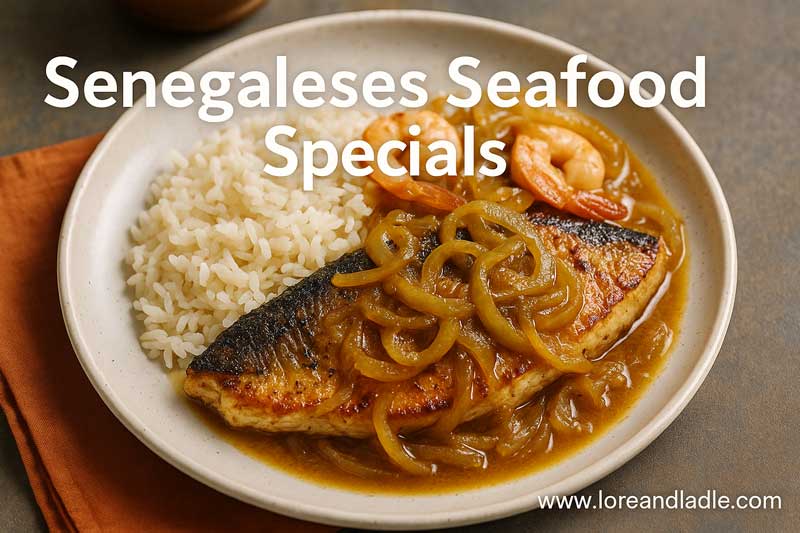
A Warm Welcome to Restaurant-Style Spiced Shrimp Skillet Senegalese Style Made Simple for Home Cooks
This dish invites you to taste the vibrant energy of a coastal kitchen in Senegal. Restaurant-Style Spiced Shrimp Skillet Senegalese Style Made Simple for Home Cooks delivers bright shrimp, a tomato-driven sauce, and a bouquet of spices in a single skillet. It balances restaurant polish with home-friendly ease, so you can serve a thoughtful, restaurant-worthy plate without fuss. The goal is simple: celebrate a dish that feels both elegant and welcoming, right in your own kitchen.
Senegalese Coastal Flavor: A Window into Teranga
Senegal sits on the Atlantic, where sea air meets markets buzzing with fresh seafood and produce. This heritage shows in every bite: clean shrimp, bright vegetables, and a sauce that carries warmth and sunlit brightness. The Senegalese concept of teranga—hospitality and generous sharing—comes alive when a home cook prepares a dish meant to be enjoyed together. In this skillet, you taste that spirit: a dish designed to be savored with family, friends, and good conversation. The cultural value lies not only in the flavors, but in the act of gathering and offering something flavorful to others.
Flavor Map: Spices, Ingredients, and Techniques
The dish centers on fresh shrimp, which cook quickly and take on seasoning beautifully. Aromatics—onion, garlic, and a touch of fresh ginger—create a fragrant bass line. A bright tomato base adds body and acidity, while peppers and a measured heat bring the memory of sunny coastal markets. A balanced spice blend—paprika or smoked paprika for depth, cumin and coriander for warmth, and a chili paste or harissa for gentle heat—gives the skillet its restaurant-style edge without overwhelming the palate. A splash of lime or lemon juice lifts the sauce just before serving, and a final scatter of fresh cilantro or flat-leaf parsley adds a green, herbal finish. Optional palm oil or peanut oil can deepen the flavor, but light olive oil also works well. The result is a bright, well-rounded sauce that clings to each shrimp and coats the rice or bread beneath it.
The Technique That Elevates Home Cooking
First, heat the skillet and sear the shrimp briefly to develop a light crust. Next, remove them and set aside as the aromatics soften in the pan. Then, build the sauce with onion, garlic, ginger, and peppers, letting the flavors bloom. Add tomatoes, spices, and a touch of stock or water to create a simmering sauce. Return the shrimp to the skillet and cook just until they turn pink and opaque. Finally, finish with citrus and herbs. The method is straightforward, yet the timing matters: a quick sear preserves tenderness, while a gentle simmer lets the sauce evolve without thinning the shrimp’s sweetness. Clear transitions and steady heat keep the dish restaurant-worthy while remaining accessible for home cooks.
Cultural Significance: Dining as a Shared Experience
This dish embodies more than flavor; it embodies the joy of shared meals. In Senegalese cooking, seafood plays a central role in festive and everyday meals alike. A skillet prepared with care becomes a bridge between markets and home tables. The act of cooking with bright spices, fresh seafood, and a simple, satisfying sauce reflects a culture that values generosity, skill, and balance. Serving it with rice or crusty bread invites conversation and connection, turning a quick weeknight dinner into a moment of community. In this light, the dish is a living thread in a living culture, where technique, memory, and hospitality meet around the table.
Pairings, Presentations, and Serving Traditions
Serve the shrimp and sauce over white rice, which soaks up the sauce and carries its brightness. Alternatively, offer fluffy couscous or a crusty loaf of bread for dipping. A light side of sautéed greens or a cucumber salad can provide a fresh counterpoint to the richness of the sauce. A wedge of lime or a drizzle of fresh herbs at the table invites guests to customize acidity and aroma to their liking. Presentation matters too: bright shrimp clustered over a bed of sauce, with herbs sprinkled on top, creates a visually inviting plate that echoes restaurant-style plating while staying approachable for home cooks.
Tips for Home Cooks: Make It Your Own
- Spice level: Start with a modest amount of chili paste, then increase to taste. You can offer a milder version for delicate palates and a spicier one for those who enjoy a kick.
- Protein options: If shrimp isn’t available, try firm white fish pieces or shelled scallops. For a non-seafood version, chickpeas or cubed tofu absorb the sauce nicely.
- Oil choices: Light peanut oil or a neutral oil works well; palm oil adds a distinct depth if you enjoy it.
- Freshness matters: Use ripe tomatoes or a high-quality canned tomato for a bright, robust sauce. Fresh herbs finish the plate with lift and color.
- Make-ahead note: The sauce can be prepared up to a day ahead and gently reheated; add the shrimp at serving time to preserve tenderness.
A Closing Note: Celebrating Craft in Your Kitchen
This dish invites you to honor craft in a personal, intimate setting. It blends the precision of restaurant technique with the warmth of home cooking, creating a bridge between professional kitchens and family tables. By exploring Senegalese flavors through a simple skillet, you honor a coastal culinary tradition and show appreciation for the beauty of well-balanced spice, bright citrus, and tender shrimp. Try this as a weekend treat or a weeknight celebration, and let its flavors remind you of the joy of cooking for others.