
Introduction
Saucy Sate Kambing at Home is more than a dish. It is a warm invitation into Indonesian culinary culture, where smoky bites meet a glossy peanut-sauce embrace. This post celebrates its cultural value and culinary significance, while offering a plant-forward idea: Indonesian tempeh and tofu creations that honor flavor without losing the soul of the original. The result is inviting, respectful, and deeply rooted in shared meals, stories, and the joy of gathering around a table.
The Heart of Sate Kambing
Sate Kambing is built on a simple idea: skewered pieces grilled to caramelized perfection, coated in a rich, savory glaze. The meat version sings with a balance of smoky char and tender texture. The sauce—often a bright, chunky peanut blend with chili, garlic, shallots, and a touch of kecap manis—binds the elements together. This combination makes every bite feel both familiar and celebratory. The dish shines in family kitchens and on street grills alike, where the aroma travels and invites neighbors to share in the moment. Its enduring appeal lies in its textural contrast, its bold yet balanced flavors, and the sense of hospitality it communicates to everyone who gathers to eat.
A Plant-forward Twist: Tempeh and Tofu Creations
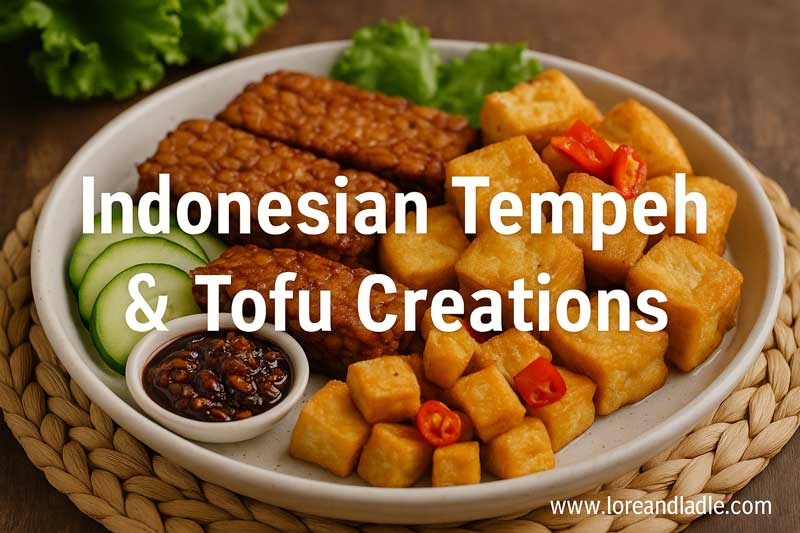
In a thoughtful adaptation, tempeh and tofu offer a delightful alternative that preserves the dish’s spirit. Tempeh brings a nutty depth and a satisfying bite, while tofu contributes a silky counterpoint. The key is a bright, inviting marinade that echoes the traditional flavors: garlic, shallots, a dash of coriander, a hint of turmeric, and soy-based seasonings. When skewered and grilled, these plant-based proteins drink in the same smoky ambiance that defines Sate Kambing. The result is a version that respects Indonesian culinary practice while inviting flexible, plant-forward dining. This approach highlights how Indonesian cuisine welcomes ingredients that carry flavor with integrity and grace.
The Sauce: Saucy Kambing
The sauce matters as much as the skewers themselves. A classic peanut sauce brings roasted peanuts, chili for warmth, tamarind for brightness, and a touch of palm sugar for balance. A splash of kecap manis adds sweetness and depth. For a silkier finish, a light swirl of coconut milk can be added. The sauce is more than a dip; it is the conversation that ties every element together. It coats each piece and elevates aromatic notes from garlic, shallots, and roasted spices. In every spoonful, you sense centuries of kitchen craft and shared learning.
How to Make Saucy Sate Kambing at Home (Plant-based Version)
- Prepare the marinade: combine minced garlic, shallots, soy sauce, kecap manis, a touch of lime, and a pinch of turmeric.
- Marinate tempeh and tofu: cut into bite-sized cubes, marinate for at least 15 minutes to absorb flavor.
- Skewer and grill: thread the pieces onto skewers, grill over medium heat until lightly charred, turning for even color.
- Make the sauce: blend roasted peanuts with garlic, chili, tamarind, palm sugar, salt, and a bit of water for a smooth, glossy texture. Add coconut milk if you want extra creaminess.
- Finish with glaze: brush the sauce onto the skewers as they grill, allowing a lacquered finish.
- Serve with companions: offer cucumber slices, rice or ketupat, and fresh herbs for brightness.
This approach keeps the spirit of Sate Kambing intact while embracing plant-based ingredients that honor Indonesian flavors.
Cultural Significance Across Indonesian Regions
Sate in its many forms is a beloved thread through Indonesian food culture. It appears at family meals, celebrations, and casual gatherings alike. The skewered format invites sharing, conversation, and a sense of communal joy. Across regions, cooks honor the same core idea—grilled meat or its plant-based stand-ins, a vibrant sauce, and a lively accompaniment—yet they bring local spice blends, preferred textures, and regional toppings to the table. This adaptability showcases how Indonesian culinary practice values balance, seasonality, and hospitality. The plant-forward variant with tempeh and tofu still speaks to these values: flavor, texture, and generosity in equal measure. It is a modern homage that invites a broader audience to participate in a communal feast without losing the dish’s distinctive voice.
Serving, Presentation, and Pairings
Serve Sate Kambing on a warm platter, or lay skewers on banana leaves for a rustic touch. A light salad of cucumber and onion adds crispness, while rice or ketupat grounds the meal with its gentle starch. The peanut sauce can be spooned generously atop the skewers or offered on the side for dipping. Fresh herbs, a squeeze of lime, and a final drizzle of sauce create a bright finish. A cool drink, such as jasmine tea or a subtly sweet fruit-infused water, complements the flavors and cleanses the palate between bites. This thoughtful presentation elevates the eating experience and honors the dish’s place in social dining.
Conclusion
Saucy Sate Kambing at home stands as a beautiful example of Indonesian culinary value: it blends tradition with creativity, invites togetherness, and celebrates flavor with grace. The tempeh and tofu creation carries that same spirit, inviting plant-based cooks to participate in a beloved ritual without losing the dish’s essence. Whether you cook the classic version or the plant-forward adaptation, you engage in a cultural practice of sharing, warmth, and delicious discovery. Open the grill, welcome the aromas, and let the table tell its story.