
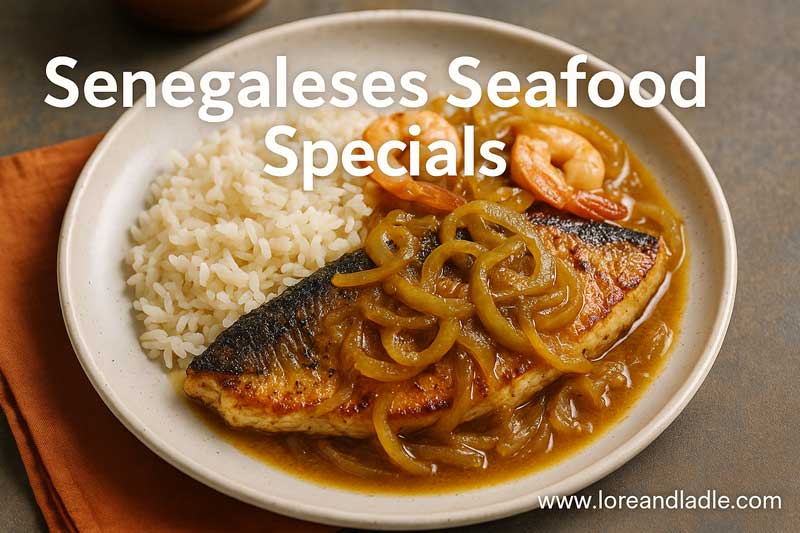
Introduction to Seafood Mafé with Shrimp and Fish-Inspired Bowl Ideas for a Modern Senegalese Touch
Seafood Mafé with Shrimp and Fish-Inspired Bowl Ideas for a Modern Senegalese Touch invites readers into a warm, sunlit kitchen where coastal flavors meet hearty, nutty sauce. This dish blends two worlds: the bright sweetness of seafood and the deep, toasted peanut sauce that is a hallmark of mafé. The result is a bowl that feels both familiar and fresh, rooted in Senegalese cooking while offering a contemporary way to present it. The name itself signals celebration—seafood, a generous mafé base, and a modern approach to serving. In this post, we explore the cultural value and culinary significance that give the dish its character.
First, think of mafé as more than a sauce. It is a technique, a balance of textures and aromas, and a social signal that gathering around a pot can be a warm, generous act. In this dish, shrimp and fish are enveloped by a sauce that is at once nutty, tangy, and comforting. Next, imagine the bowl as a canvas. Home Cooks and chefs alike can layer grains, vegetables, and herbs to reflect personal tastes while honoring a traditional flavor profile. In short, this dish offers both continuity and creativity.
The Cultural Value of Mafé in Senegal
In Senegal, mafé is a beloved staple that travels from family kitchens to markets and restaurants. The peanut-based sauce anchors the dish, but its heart lies in the careful blending of spices, aromatics, and a slow simmer. The sauce carries memories of morning markets, conversations shared over simmering pots, and the pleasure of a dinner that brings people together. This version with seafood adds another layer: it echoes the country’s coast, where fishermen’s catches meet home cooks’ recipes. The dish becomes a bridge between land and sea, a celebration of abundance, and a reminder that food can tell a story of place and season.
The preparation honors technique as well as tradition. Toasted peanuts bring warmth and a gentle sweetness, while tomatoes, onions, garlic, and chili create brightness and depth. Palm oil or a neutral oil both work, allowing cooks to adapt the sauce to their pantry. In many households, mafé is a dish shared with family and friends, built through small acts of care—stirring, tasting, adjusting heat, and presenting a table that welcomes everyone. The result is not just nourishment; it is a cultural moment that speaks to hospitality, generosity, and the joy of cooking together.
The Culinary Significance of Seafood Mafé
Seafood Mafé with Shrimp and Fish-Inspired Bowl Ideas for a Modern Senegalese Touch elevates mafé by pairing it with seafood that is both tender and lively. The seafood’s sweetness contrasts with the grounding earthiness of the peanut sauce, creating a harmonious balance that many cooks prize. Shrimp adds a delicate brininess and quick-cooking elegance, while firm fish offers substance and a clean finish on the palate. The pairing honors the rhythms of coastal life—boats returning with fresh catch, markets brimming with bright produce, and kitchens where soups and sauces simmer slowly to release aroma and depth.
Culinary significance also lies in accessibility and adaptability. The same mafé base can cradle a variety of proteins, vegetables, and grains, which makes it a versatile tool in Senegalese cooking. When seafood becomes the star, the sauce remains the unifying thread, tying together the bright notes of lime or lemon, fresh cilantro or parsley, and the heat of chilies. This approach reinforces a sense of place—an appreciation for the sea’s bounty and the resources of the earth—while inviting home cooks to tailor the dish to their preferences and seasons.
Coastal Heritage: Shrimp, Fish, and Market Freshness
The coastal region has long informed Senegalese flavors. Shrimp and fish are common, celebrated ingredients that carry memories of early morning hooks, fish markets, and family meals by the shore. In this dish, the seafood is treated with respect: not overwhelmed by the sauce, but given space to express its natural sweetness. The mafé sauce acts as a generous partner, enhancing flavor without hiding the seafood’s character. This gentle partnership is a hallmark of Senegalese culinary philosophy, where balance and harmony are prized as much as bold taste.
Presenting the dish in bowls emphasizes this balance. The grains or greens form a comforting base, while the sauce pools into the bottom to kiss each bite with richness. Fresh herbs, a squeeze of citrus, and a drizzle of oil finish the bowl with a collaborative sparkle. The result feels modern yet deeply rooted in tradition—a dish that celebrates the coast while inviting new audiences to savor its soul.
Modern Bowl Concepts: Ideas for a Modern Senegalese Touch
Seafood Mafé lends itself to contemporary presentation without losing its cultural core. Here are bowl ideas that keep the Senegalese spirit while offering fresh textures and colors:
- Seafood Mafé Bowl over Rice or Fonio: A bed of fluffy white rice or nutty fonio, crowned with shrimp, chunks of fish, and a generous ladle of mafé sauce. Garnish with chopped cilantro, sliced scallions, and a lime wedge for brightness.
- Mafé and Couscous Bowl: Tender couscous pearls absorb the sauce beautifully. Add steamed greens and roasted peppers for color and texture contrasts.
- Grains and Greens Bowl: Use a mix of quinoa and brown rice for a modern base. Layer with seafood and mafé, then finish with fresh herbs and a light toss of olive oil.
- Plantain-Filled Bowl: Add baked plantains for a sweet-savory note that complements the peanut complexity. Serve over a bed of rice with a bright herb finish.
- Fresh-Herb Accent Bowl: Keep the focus on the sauce by pairing with light greens, cucumber ribbons, and herbs like parsley and basil to lift the flavors.
Each bowl idea respects the dish’s essence while offering flexible options for ingredients and presentation. The goal is to honor the cultural root of mafé while inviting modern textures and colors that suit today’s dining tables.
Techniques and Aromas That Define the Dish
The magic of mafé comes from technique as much as taste. Toasting the peanuts until they release a warm aroma builds the sauce’s depth. Grinding or blending the nuts into a smooth or slightly textured paste creates the sauce’s backbone. Tomatoes, onions, garlic, and peppers are sautéed to release sweetness and brightness, then simmered with stock or water to achieve a rich, silky texture. The seafood is added at the right moment—too early and it softens; too late and it loses its brightness. This careful timing preserves the integrity of the shrimp and fish, allowing the flavors to mingle with the sauce.
A hint of citrus brightens the dish, while fresh herbs offer a final lift. The balance among nutty richness, sea air brightness, and green freshness is what makes the dish resonate. In home kitchens and in restaurants alike, this balance invites diners to slow down and savor each bite.
Serving Traditions and Culinary Etiquette
Traditionally, mafé is served with a side that soaks up the sauce. In many homes, rice is a natural partner, while fonio or couscous also work beautifully. When seafood is part of the pot, serving the sauce generously over the grain or greens helps every bite carry the dish’s core flavors. A simple green salad with citrus adds contrast, while a sprinkle of chopped herbs completes the plate. The presentation is welcoming, letting guests see the palette of colors and the textures that define the dish.
Tips for Home Chefs: Crafting a Beautiful Seafood Mafé Bowl
- Start with a flavorful base: toast peanuts until fragrant, then blend into a smooth paste.
- Build the sauce thoughtfully: sauté aromatics, add tomatoes and peppers, then simmer gently with stock.
- Time the seafood well: add shrimp toward the end for a delicate bite, and use firm fish that holds its shape.
- Balance the heat: a touch of chili or pepper can wake the dish, but adjust to taste.
- Choose your bowl: rice, fonio, or couscous provide different textures; mix with greens for color and nutrition.
- Finish with brightness: a squeeze of citrus and a handful of fresh herbs lift the whole dish.
Conclusion
Seafood Mafé with Shrimp and Fish-Inspired Bowl Ideas for a Modern Senegalese Touch invites cooks to honor tradition while exploring modern presentation. The dish celebrates the sea’s bounty and the deep, nutty richness of mafé. It is a respectful, inviting culinary experience that speaks to hospitality, community, and the beauty of Senegalese flavors. By embracing both the timeless technique and contemporary bowl concepts, you can share a meal that feels both grounded and new—an embodiment of how culture can evolve while remaining deeply cherished.