
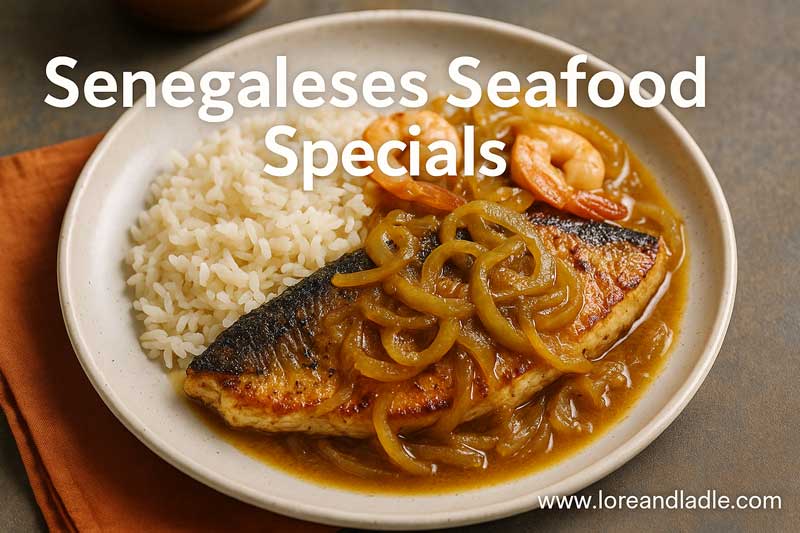
Discovering Seafood Mafé: A Window into Senegalese Cooking in the United States
Seafood mafé with shrimp and fish offers a warm, inviting taste of West Africa. When you enjoy this dish at a Senegalese restaurant in the United States, you are tasting a method that celebrates balance, comfort, and bright, attentive technique. The dish speaks to care in every step—from how the sauce is built to how the seafood completes the meal. This post explores the cultural value and culinary significance of the dish, and it explains how to savor it fully in a restaurant setting.
What seafood mafé is and why it matters
Mafé, sometimes spelled maffe, is a staple style in Senegalese cooking. The name hints at a locally rooted method: a thick, nutty sauce made from roasted peanuts, often enriched with tomatoes, onions, garlic, and a touch of heat. Seafood mafé uses shrimp and firm fish to create a bright contrast with the creamy, peanut base. The result is a dish that feels both hearty and elegant, with a richness that coats the palate without overwhelm.
In Senegal, food is a daily celebration of community, skill, and seasonal ingredients. The peanut base underscores a practical, regional crop that has long supported farms and markets. The seafood elements highlight coastal abundance. When these parts come together in mafé, the dish becomes more than a meal; it becomes a narrative of place, craft, and shared eating. In the United States, a Senegalese restaurant carries that story across oceans, inviting guests to experience a moment of Senegalese hospitality and culinary artistry.
The flavor symphony: peanut sauce meets seafood
The core of seafood mafé rests on the peanut sauce, which is both silky and aromatic. Roasted peanuts yield a nutty sweetness that balances acidity from tomatoes and brightness from onions. Garlic, ginger, or chili may join the pot, adding warmth and a gentle heat. The sauce thickens as it simmers, drawing in flavors from spices and, in some kitchens, a touch of oil or stock.
Seafood adds its own character. Shrimp brings sweetness and a quick, juicy texture, while the fish offers a firmer bite and a clean, oceanic note. Together, they create a layered sense of comfort and excitement. When you dip a bite of rice into the sauce and catch a mix of seafood, you experience a harmony that is central to mafé: a balance between creaminess, brightness, and depth. In a U.S. setting, this balance often pairs gracefully with a cool, refreshing drink or a light accompaniment, letting the sauce and seafood shine.
The craft behind the dish: technique that travels well
Preparing seafood mafé is a study in patient layering. The peanut base is typically started with toasted peanuts or peanut paste, blended with tomatoes, onions, and spices. The sauce simmers until it thickens and the flavors meld. Then, the seafood is added so it cooks gently, preserving the texture of shrimp and fish without breaking apart.
Texture matters as much as taste. A well-made mafé provides a glossy surface, a spoonful that clings to rice, and a subtle, lingering finish. In a restaurant kitchen in the United States, chefs honor this technique by paying attention to temperature, timing, and the rhythm of the sauce. The result is a dish that feels both familiar and distinct—whose technique travels well from a Senegalese home to a dining room abroad.
The Senegalese table experience in the United States
Eating seafood mafé in a Senegalese restaurant in the U.S. is as much about the table as the plate. Expect a generous portion of rice as the base, with the sauce spooned beside or over it. The shrimp and fish are usually positioned to showcase their color and texture, inviting you to explore the layers of flavor with each bite. Garnishes such as fresh herbs or sliced peppers may appear, adding a note of brightness to the presentation.
Hospitality is a quiet thread in this dining experience. The server or chef may share a short story about the dish’s origins, the ingredients, or the cooking method. You’ll often sense a calm, welcoming atmosphere that encourages lingering and conversation. This is not just cooking; it is a practice of sharing nourishment, where the moment of eating becomes an invitation to connect with a culture through flavor and care.
How to enjoy it: a simple tasting guide
- Start with a small bite of rice and sauce to awaken your palate. Notice how the sauce coats the grain and how the peanut richness unfolds.
- Move to the seafood next. Observe the shrimp’s sweetness and the fish’s firmness, and how they stand up to the sauce without being overwhelmed.
- Take another mouthful of rice with a generous spoon of sauce. The interplay between grain, sauce, and seafood reveals the dish’s balance.
- If available, try a light side such as vegetables or a crisp salad. The freshness will highlight the sauce’s depth.
- Finish with a sip of any complementary drink offered, such as a hibiscus-based beverage or a lightly spiced tea. The drink can refresh the palate between bites.
If you are unsure about spice, ask for guidance. A chef or server can adjust the heat or offer a milder variant while keeping the core flavors intact. The goal is to savor the dish as it was crafted, appreciating the relationship between ingredients and technique.
Pairings and the role of rice and garnishes
Rice is the traditional partner for mafé. It acts as a neutral stage that carries the sauce and keeps the flavors balanced. In many Senegalese preparations, the rice absorbs the sauce and allows the seafood to shine in its own right. Some menus include couscous or fonio as alternatives, offering a slightly different texture that still honors the same sauce base.
Garnishes are more than decoration. Fresh herbs, lime wedges, or hot peppers can brighten the dish and provide a quick pop of acidity. This contrast helps keep the peanut sauce from feeling heavy and keeps the dining experience lively and balanced.
The cultural significance of mafé in Senegalese cuisine
Mafé stands as a symbol of resourcefulness and community. The dish shows how simple, accessible ingredients—peanuts, tomatoes, onions—can be transformed into a luxurious, comforting meal. The use of seafood in mafé also speaks to the West African coastline’s abundance and the region’s long-standing relationships with the sea. The dish embodies a philosophy of nourishment that values heartiness, generosity, and shared meals.
In addition, mafé demonstrates a regional versatility. While the base recipe remains recognizable, chefs across Senegal adapt it with local ingredients, adjusting spice levels, protein choices, and textures. This adaptability celebrates regional pride and culinary creativity, making mafé a living part of the country’s food culture. Experiencing seafood mafé in a U.S. restaurant thus becomes a bridge to that culinary sensibility, inviting diners to observe how a traditional dish travels with care and authenticity.
A respectful guide to ordering and experiencing
- Politely ask about the level of spice if you are sensitive to heat. The kitchen can often tailor the dish to your preference.
- Consider trying the dish with recommended accompaniments. A gentle beverage can complement the peanut richness without overpowering it.
- If you wish, request a brief note on the origin of the dish or the ingredients. Many Senegalese restaurants enjoy sharing stories that illuminate the cooking process.
A brief note on accessibility and celebration in the U.S.
In the United States, Senegalese restaurants provide a doorway to authentic flavors with thoughtful presentation and hospitable service. The dish invites both first-time visitors and seasoned fans of West African cuisine to slow down a moment and enjoy a well-made meal. It is accessible, comforting, and deeply satisfying when prepared with care. Each bite can feel like a small celebration of place, season, and skill.
Conclusion: savoring seafood mafé as a cultural and culinary jewel
Seafood mafé with shrimp and fish is more than a recipe; it is a flavorful conversation between ingredients, technique, and people. In a Senegalese restaurant in the United States, the dish becomes a shared experience that honors tradition while inviting new fans to participate. The creamy, peanut-based sauce, the delicate seafood, and the comforting rice combine to form a memorable cultural and culinary moment. By approaching the dish with curiosity, respect, and a willingness to explore, you can appreciate the beauty of this classic Senegalese dish and its place in the broader tapestry of global cooking.