
Introduction
Welcome to a sunny corner of Uzbek culinary culture with Simple Ganfan – Uzbekistani Desserts & Sweet Treats Flavor You’ll Love. This dessert shines as a quiet, generous gesture of hospitality. It speaks to the heart of Uzbek home kitchens, where sweetness accompanies tea, conversations, and shared moments. Simple Ganfan is more than a treat; it is a small celebration of tradition, craftsmanship, and everyday joy. The dish pairs approachable ingredients with a thoughtful balance of aroma, texture, and warmth, inviting both new diners and lifelong fans to slow down and savor.
What is Simple Ganfan?
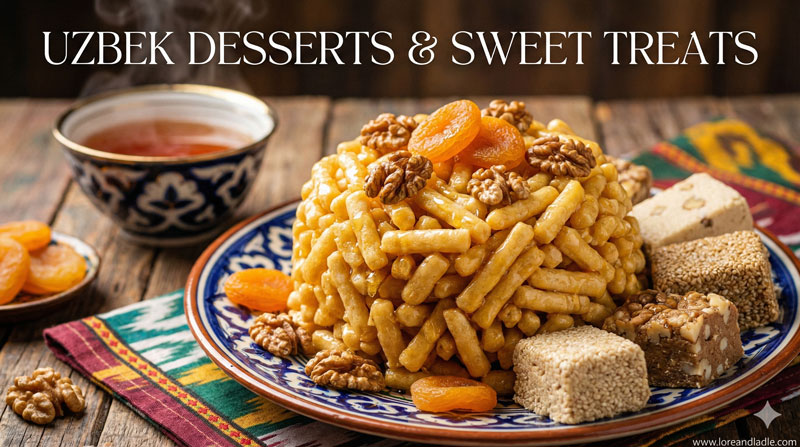
Simple Ganfan is a compact, comforting dessert rooted in Uzbek foodways. It centers on toasted semolina blended with butter or ghee, then sweetened with honey and enriched with nuts and dried fruits. The result is a bite-size treasure: crisp edges, softly crumbly interior, and a gentle nutty scent that lingers on the palate. The name itself suggests ease and accessibility, signaling a recipe that families can make together without fuss while still delivering traditional depth. The dish often features gentle spices such as cinnamon or cardamom, which lift the natural sweetness and echo the spice notes found in many Uzbek sweets. In homes across Uzbekistan, Simple Ganfan is enjoyed as a finishing note to a meal or as a companion to a steaming cup of chai, marking small moments with quiet grace.
Flavor and Texture
The flavor profile of Simple Ganfan blends honeyed sweetness with the toasty warmth of semolina. The butter or ghee adds a creamy richness, while the nuts—almonds, pistachios, or walnuts—provide a satisfying crunch and a toffee-like kiss of flavor. Dried fruits, if included, create bursts of chewy sweetness and color that lift the dish visually and aromatically. The aroma is inviting: warm butter, toasted grain, and a hint of spice dance around the kitchen. In texture, you’ll notice a gentle contrast: lightly firm edges give way to tender, crumbly interiors that melt on the tongue. This harmony makes Simple Ganfan approachable for all ages, appealing to both first-time tasters and long-time lovers of Uzbek desserts.
Cultural Significance in Uzbek Cuisine
In Uzbek food culture, sweets are woven into daily life, celebrations, and moments of rest after a long day. Simple Ganfan embodies the spirit of Uzbek hospitality: a beautiful, thoughtful offering that signals care and warmth. The dish reflects a practical ingenuity—using pantry staples to create something comforting and refined. When families gather, sharing a plate of Simple Ganfan strengthens bonds, invites conversation, and creates a sense of unspoken gratitude. The dessert also echoes the Silk Road’s enduring influence on Uzbek flavors—honey, nuts, dried fruits, and fragrant spices arrive from long-standing culinary exchanges and find new life in traditional recipes. Simple Ganfan demonstrates how simple ingredients can become meaningful culinary textures, linking taste with memory and community.
Regional Touches and Silk Road Links
Uzbek cuisine is vibrant with regional nuances, and Simple Ganfan benefits from that diversity. In different cities, cooks may tweak the balance of nuts or introduce a whisper of saffron or cardamom to reflect local preferences. Some regions favor a bit more honey for a ribbon of sweetness, while others emphasize a drier, crisper bite with slightly toasted semolina. These subtle variations honor regional harvests and kitchen traditions, reminding us that a single dish can carry many stories. The Silk Road era contributed more than trade routes; it infused desserts with a tapestry of textures and aromas. Simple Ganfan stands on that tapestry, exemplifying how Uzbek cooks adapt a simple technique to celebrate local ingredients and seasonal abundance.
How to Enjoy Simple Ganfan
- Pair with Uzbek black tea (chai) for a classic teatime moment. The tea’s brisk warmth complements the dessert’s honeyed sweetness.
- Serve warm for a comforting, melt-in-the-mouth experience, or chill lightly for a firmer bite that holds its shape on a plate.
- Garnish lightly with crushed nuts or a delicate dusting of sugar to add a final touch of elegance and crunch.
- Offer alongside fresh fruit or dried fruit compotes to create a balanced dessert course that showcases a spectrum of flavors.
- Present in a small, decorative plate or wooden tray to highlight the dish’s rustic charm and to honor the care given in its preparation.
Storage and Freshness
Simple Ganfan stores well in a cool, dry place. Keep it in an airtight container to preserve its aroma and texture. If you prefer a crisper texture, rewarm gently in a low oven or on a warm surface before serving. Freshness is best within a few days, but the dish can be enjoyed over a week when stored properly. A well-kept batch becomes a reliable, comforting treat that you can share with friends and family at any time.
A Story of Uzbek Sweet Traditions
Every bite of Simple Ganfan tells a small story of Uzbek heritage. It speaks of home kitchens where butter melts into grains, where nuts are toasted to release their full aroma, and where honey binds the flavors into a confident, cohesive whole. It is a reminder that in Uzbek culture, sweets are not just indulgences; they are a language of care, a manifestation of patience, and a celebration of everyday life. The dish invites cooks to honor memory while welcoming new flavors, bridging generations through a shared, delicious ritual.
Final Thoughts
Simple Ganfan is a graceful ambassador of Uzbek dessert artistry. It blends simplicity with depth, making it accessible without sacrificing authenticity. As a dish, it stands as a testament to how everyday ingredients—semla(semolina), butter, honey, nuts—can come together to create something memorable and culturally resonant. Whether you’re dipping into a quiet afternoon tea or presenting a small plate to guests, Simple Ganfan offers a refined, inviting experience. It is a flavorful reminder that Uzbek cuisine values balance, warmth, and the beauty that unfolds when kitchen craft meets generous hospitality. You’ll love how this simple dessert carries the essence of Uzbek sweetness—soft, nutty, and unforgettable.