
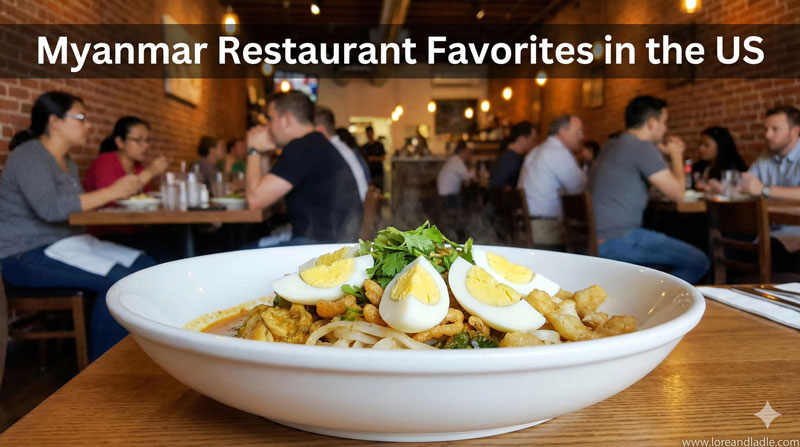
Simple Myanmar Restaurant Favorites in the U.S. with Grocery Store Ingredients
This post invites you to savor the beauty of Burmese flavors at Home. It highlights a thoughtful set of Myanmar-inspired favorites that you can recreate with ordinary grocery-store ingredients in the United States. The focus remains on cultural value and culinary significance, celebrating how these dishes reflect hospitality, balance, and everyday joy. The goal is to inspire curiosity, not to complicate; flavors can be both distinct and welcoming.
The Cultural Heartbeat of Burmese Flavors
Burmese cuisine values balance. Sour, salty, spicy, and mildly sweet notes meet in harmony, often within a single dish. Fresh herbs and vegetables mingle with simmered broths and aromatic oils. The result is comfort food that feels both lively and soothing. The dishes echo shared meals, casual gatherings, and the warmth of a kitchen where family and friends come together. When you prepare Myanmar-inspired favorites in the U.S., you carry a piece of that hospitality to your table. The cultural value grows as you learn to listen for the way lemony brightness lifts a fish sauce base, or how toasted sesame seeds add a gentle nutty finish. This mindfulness—about texture, aroma, and balance—creates meals that invite conversation and connection.
The Simple Truths That Travel Across Kitchens
These favorites travel well because they rely on ingredients you can find at most grocery stores, Asian markets, or well-stocked supermarkets. The core elements are familiar: rice noodles or grain noodles, garlic and shallots, lime or tamarind for bright acidity, chili for heat, and a handful of fresh herbs. A few pantry staples—fish sauce, a small amount of fermented paste if you have it, coconut milk, turmeric, and sesame seeds—unlock Burmese profiles with ease. The result is a dish that feels authentic without demanding uncommon tools or hard-to-find components. In short, these dishes make Burmese flavors accessible, respectful, and deeply satisfying in everyday life.
A Practical Path: Pantry Staples for Myanmar-Inspired Dishes
To make these favorites with grocery-store ingredients, keep a few essentials on hand. These items are versatile across several Burmese-inspired recipes:
- Rice noodles or thin wheat noodles
- Garlic, shallots, and fresh chilies
- Limes or lemons for bright juice
- Fish sauce and a small amount of fermented paste if available
- Coconut milk or coconut cream
- Turmeric powder and toasted sesame seeds
- Fresh herbs such as cilantro and mint
- Tomatoes and shredded cabbage for crunch
- Optional: peanut paste or crushed peanuts for texture
With these building blocks, you can craft dishes that feel rooted in Burmese traditions while using ingredients easy to find in the U.S. market. The goal is simple: create flavor that honors a cultural profile while remaining approachable for Home Cooks.
Three Favorite Models You Can Recreate
1) Mohinga-inspired Noodle Bowl (a comforting, brothy favorite)
A gentle fish-sauce base can anchor a noodle bowl that evokes the aroma of a Burmese morning. Use a light fish stock or simmer water with a splash of fish sauce, garlic, and shallots. Add rice noodles, a squeeze of lime, and a touch of coconut milk for body. Top with shredded cabbage, sliced chili, and fresh herbs. This dish celebrates the soft warmth of a breakfast-like soup while remaining adaptable for lunch or dinner. The cultural value shines in the care given to balance: the tang of lime brightens the fish-sauce depth, while crunch from cabbage offers a pleasing contrast to the silky broth. It’s a reminder that everyday meals can carry the dignity of tradition without being overly formal.
2) Lahpet-Style Tea Leaf Salad (laht-pet-inspired, using accessible greens)
Lahpet Thoke is a Burmese favorite known for its bright, tangy, and savory character. In the home kitchen, you can approximate the spirit with shredded cabbage or lettuce as a base, diced tomatoes, roasted peanuts, and a light dressing made from lime juice, a tiny amount of fish sauce, and a whisper of sesame oil. If you can find tea-leaf packets in an Asian market, fold in a small amount for authenticity. Otherwise, greens provide a fresh canvas that captures the salad’s crisp texture and zesty profile. This dish highlights Burmese street-memory and the value of vibrant, communal eating. It’s a bright counterpoint to heavier dishes and a testament to how textures and flavors can play together to tell a cultural story on a single plate.
3) Coconut-Turmeric Noodles with Chicken (Shan-inspired, simple, fragrant)
Shan-style noodles bring warm turmeric, creamy coconut, and tender protein into one comforting bowl. In a kitchen using grocery-store ingredients, simmer chicken with a splash of coconut milk, a pinch of turmeric, garlic, and a touch of salt. Toss with cooked rice noodles and finish with fresh herbs such as cilantro and mint. A squeeze of lime brightens the dish, lending a sunny finish that resonates with Burmese taste preferences for balance and aroma. This model demonstrates how regional influences inside Myanmar can be expressed with common ingredients, turning a simple meal into a fragrant celebration of color and scent. It embodies the idea that accessible ingredients can still evoke regional culinary identities with grace.
4) Fresh Tomato and Herb Salad with a Burmese Twist (a light, daily dish)
Use ripe tomatoes, thinly sliced onions, chopped herbs, a drizzle of lime, and a gentle splash of fish sauce to tie the flavors together. Add toasted sesame seeds for texture. This dish showcases how Burmese cuisine often honors freshness and acidity, letting simple vegetables carry complexity through careful seasoning. It’s an inviting reminder that every day meals can be an effective stage for cultural expression.
The Table as a Cultural Stage
These Myanmar-inspired dishes are not merely recipes; they are expressions of hospitality. They invite sharing, conversation, and slow enjoyment. In households across the U.S., a family gathers around the table to savor the aroma of garlic and lime, to notice how a broth carries warmth, and to feel a connection to Burmese culinary memory. The act of cooking with accessible ingredients reinforces an ethos of inclusion: great flavors can come from everyday shopping trips and a patient, curious approach to seasoning. The dishes honor tradition while inviting experimentation, a celebration of how food binds people through taste and care.
Crafting an Experience Beyond Heat and Spice
The cultural value of Simple Myanmar Restaurant Favorites in the U.S. with Grocery Store Ingredients lies not only in flavor but in experience. You are invited to:
- Observe how layers of aroma lift a simple dish from ordinary to special.
- Notice the way fresh herbs brighten a bowl and invite quick, relaxed conversation at the table.
- Appreciate the way each bite reflects memory and shared meals, creating a small bridge between cultures through everyday cooking.
A Gentle Invitation to Explore
If you’re curious about Burmese flavors and live in the United States, start with these approachable ideas. Begin with a single dish, perfect the balance of lime, fish sauce, and herbs, and gradually add a second option. Use the pantry as a guide, not a rulebook. With each meal, you cultivate a deeper appreciation for the culinary significance of Burmese favorites. The result is a kitchen that feels welcoming, calm, and full of taste, where cultural value is measured not by complexity but by the warmth of the table.
Closing Thoughts
Simple Myanmar Restaurant Favorites in the U.S. with Grocery Store Ingredients show how a culture’s culinary identity can thrive in everyday spaces. The dishes celebrate balance, texture, and aroma, while the use of accessible ingredients makes them welcoming to home cooks. In this way, Burmese flavors become a shared language, inviting curiosity and respect. The table becomes a small but meaningful stage where tradition and modern home cooking meet, creating a delicious heartbeat for daily life.