
Introduction
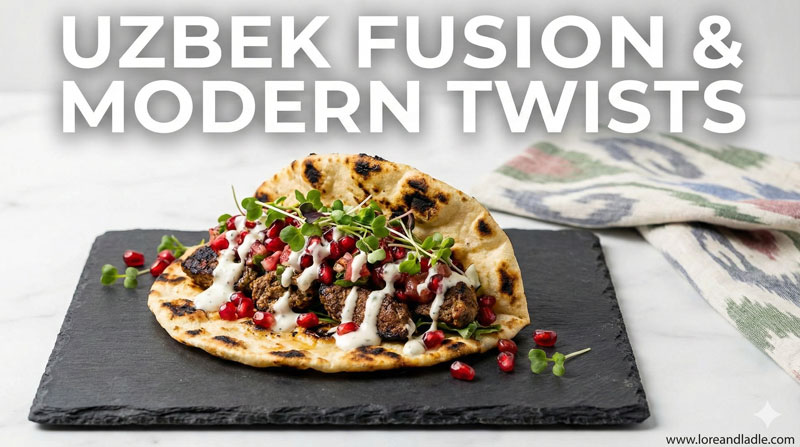
Simple Non Bread – Uzbekistani Fusion & Modern Twists Flavor You’ll Love invites readers to taste more than a dish. It invites a moment of calm around a round loaf, a symbol of welcome and balance. This post highlights the cultural value and culinary significance of the bread. It explains how a classic Uzbek staple can reflect daily life, hospitality, and shared meals. It also shows how modern twists can honor tradition while inviting new neighbors to the table.
The Heart of Uzbek Cuisine: Non Bread as a Cultural Pillar
In Uzbek culture, non bread sits at the center of many meals. It is more than food; it is a daily ritual. Bakers shape the dough with care, and households weave small techniques into the loaf. The bread often has a circular form, a symbol many families use to express unity and togetherness. From village kitchens to city homes, non bread marks a moment when people gather, tear a share, and begin a meal with warmth. This bread carries memory, craft, and a sense of place, all in a single round slice.
What Makes Simple Non Bread Unique
Simple Non Bread preserves the essence of tradition while inviting contemporary flavors. The dough relies on familiar flour, water, salt, and a gentle fermentation that yields a soft interior and a crisp edge. The surface often carries a delicate sesame or nigella sparkle, hinting at regional spice notes. What makes this version distinctive is how it welcomes modern twists without losing its core identity. The result is a loaf that feels earned through skill and patient care, yet approachable for everyday eating. You can taste the care of generations, now brightened by fresh ingredients and thoughtful pairings.
Fusion and Modern Twists: A Respectful Conversation Across Tastes
Fusion in Uzbek cuisine can be seen as a dialogue between past and present. Simple Non Bread embodies that dialogue. Subtle additions—like a light yogurt drizzle, a sprinkle of fresh herbs, or a touch of citrus zest—bring brightness while staying true to the bread’s backbone. Crunchy sesame seeds add texture; a hint of mint or yogurt sauce adds cool balance. These twists are not about novelty alone. They celebrate how cooks adapt, experiment, and share flavors with neighbors and guests. The dish demonstrates that fusion can honor history while inviting new textures, aromas, and colors to the table. In this way, Simple Non Bread becomes a living piece of food culture, comfortable in both home kitchens and bustling eateries.
Serving Traditions and Social Significance
The bread is a natural companion to tea, soups, stews, and fresh salads. It serves as a friendly leader at the table, guiding conversations and pacing meals. Sharing a loaf becomes a small ceremony of care. In homes and gatherings, the bread is broken with hands, not cut with knives, reinforcing a sense of equality and fellowship. Simple Non Bread, with its modern touches, continues that tradition by offering familiar comfort while sparking curiosity. Guests feel welcomed, and hosts enjoy a moment to tell stories about craft, ingredients, and the region’s seasonal flavors.
Techniques, Tools, and Craft Values
Traditional methods influence how this bread is produced. Kneading develops gluten in a controlled way, giving a soft crumb and sturdy crust. The dough is rested so flavors harmonize, and the loaf bakes evenly in a hot oven or in a rustic oven called a tandyr, if available. The balance between a tender interior and a slightly crisp outer layer is deliberate. Modern twists are added with restraint, ensuring the loaf remains recognizable as non bread. This combination of careful technique and gentle innovation highlights the careful craftsmanship at the heart of Uzbek bread making.
Flavor, Texture, and Aroma: A Culture in Perception
Texture plays a key role in cultural memory. The Simple Non Bread offers a warm, inviting bite with a soft center and a fragrant crust. Aromas of toasted seeds and herbs evoke the market stalls and kitchen hearths where the bread first learned its character. The addition of light toppings or sauces enhances the experience without overpowering the bread’s natural charm. In this way, flavor and texture work together to tell a story of daily life, hospitality, and shared nourishment. The dish becomes a sensory memory that families return to, again and again.
Practical Tips for Enjoying Simple Non Bread
- Pair with green tea or black tea for a balanced tasting experience.
- Use it to accompany soup, grilled vegetables, or a light yogurt dip.
- Try a small drizzle of yogurt with fresh herbs and a hint of lemon for a bright finish.
- Serve warm for the best texture and aroma.
These practical ideas reinforce the bread’s role in everyday nourishment and social gatherings.
Conclusion: A Living Heritage on the Table
Simple Non Bread – Uzbekistani Fusion & Modern Twists Flavor You’ll Love celebrates a timeless staple as it evolves. It honors the cultural roots of non bread while inviting modern tastes and textures. The dish stands as a testament to hospitality, skill, and shared meals. By embracing both tradition and innovation, this bread enriches the culinary landscape and strengthens the sense of community around the table. If you seek a dish that feels both comforting and forward-looking, this loaf offers a welcoming doorway into Uzbek food culture.