
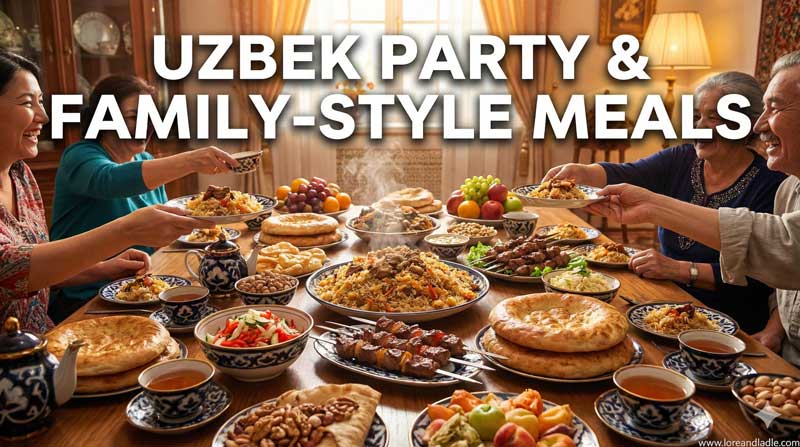
Simple Plov – Uzbekistani Party & Family-Style Meals Flavor You’ll Love
Simple Plov is a warm, inviting dish that sits at the heart of Uzbek dining. In Uzbekistan, a pot of plov signals a gathering, a shared meal, and a moment to celebrate togetherness. This version keeps the essence of the classic dish while using straightforward, accessible ingredients. You’ll often find it centered on a wide pan or kazan, where the grain, meat, onions, and carrots come together in a fragrant embrace. The aroma alone can draw friends and family to the table, creating a sense of welcome that radiates from the kitchen to the dining area. Simple Plov is not just food; it is a memory-making ritual that keeps hospitality alive in everyday life.
A Window into Uzbek Culture: Why Plov Is a Festive Staple
Plov appears in many Uzbek gatherings, from family reunions to seasonal celebrations. It is a dish that embodies care for guests and a spirit of sharing. The act of cooking often becomes a social event, with different hands taking on tasks that honor tradition while inviting participation. In many homes, preparing plov fosters conversation, storytelling, and laughter, weaving generations together around the same simmering pot. The dish is versatile enough to serve a quiet family dinner or a lively party, yet it remains distinctly Uzbek in its balance of warmth, heartiness, and aroma. Eating plov together reinforces a sense of belonging, and the simple, honest ingredients echo a culture that values generosity and hospitality. Through this dish, you taste the everyday beauty of Uzbek food culture—the patience of slow cooking, the joy of sharing a large meal, and the pride of presenting a dish that can feed many with care.
The Flavor Map: How Simple Plov Delivers Depth
The magic of Simple Plov lies in layering flavors with careful technique. Sautéed onions release sweetness and soften the meat, forming a savory foundation. Carrots are cut into strips that both color the dish and lend a gentle sweetness, balancing the savoriness. The meat, typically lamb or beef, becomes tender and develops its own rich, comforting character as it braises with the vegetables. A modest mix of spices—often cumin and coriander, sometimes a hint of black pepper or bay leaf—adds warmth without overpowering the core ingredients. A key moment is the interaction between the crispy, caramelized bottom layer and the tender grains above; this contrast gives plov its signature depth and texture. In many kitchens, cooks tuck a whole garlic bulb or several cloves into the center of the pot. As steam rises, the garlic perfumes the rice, infusing the dish with a subtle, aromatic finish. The result is a fragrant, satisfying meal where each bite reveals layers of flavor, from the onion’s sweetness to the meat’s depth and the rice’s delicate fragrance.
Cooking in Community: From Kazan to Table
A kazan or wide pan becomes a focal point when plov is on the stove. The large surface area allows ingredients to cook in a single, cohesive stage, which is ideal for feeding many people. In homes and during gatherings, families often coordinate roles: one person monitors the heat, another stirs at just the right moments, and others taste and adjust seasoning. The pot is treated with care, as if it were a shared treasure. When the dish nears readiness, the kitchen fills with inviting scents that signal “dinner is ready.” Plov is typically served in generous portions, shared among friends and kin, often placed on a communal platter or spread out on large flatbreads. In this way, the dish reinforces a culture of hospitality: guests are welcomed with open plates, and the act of serving becomes a social ritual that honors generosity and togetherness. The table itself becomes an arena of conversation, laughter, and warmth, filled with the shared satisfaction of a meal made with care.
Simple Plov in Modern Uzbek Tables: Adaptations and Simplicity
Even as kitchens modernize, the spirit of Simple Plov remains intact. The dish adapts with those who prepare it, while keeping its core elements intact: rice, meat, onions, and carrots. Modern cooks might swap lamb for beef, or adjust the fat content to suit dietary preferences, yet the essential harmony of sweetness, savoriness, and aroma endures. The simple approach makes plov accessible for everyday family meals, yet it also scales up beautifully for larger gatherings. If you wish to experiment, you can introduce subtle variations—adding a handful of dried fruit for a gentle sweetness, or using a touch of tomato for a brighter note—while preserving the dish’s character and balance. What stays constant is the sense of shared labor and shared reward: a single pot that creates a memory for everyone at the table. This adaptability helps Simple Plov remain a beloved staple across homes and seasons, always inviting, always comforting, and always a celebration of good company around good food.
Serving and Appreciation
Serving plov is, in itself, a sign of hospitality. The dish is often presented in a large dish or on a flat bread “tart” spread, making it easy for guests to take portions and share. The aromas guide the flow of the meal, inviting eager anticipation and conversation. In many homes, garlic heads or cloves are tucked into the pot or placed near the serving platter to perfume the air with a gentle scent as the meal proceeds. Spoons or forks circle the platter, and the act of passing food from one person to another becomes a small ceremony of kindness and care. The simplicity of the recipe makes it approachable for cooks of all levels, yet the resulting plate feels generous and ceremonial. A plate of Simple Plov is not just fuel; it is a way to honor guests, welcome friends, and celebrate family ties. The experience—the scent, the texture, the warmth—lives on in memory long after the last bite.
A Timeless Invitation: Why This Dish Belongs on Any Table
Simple Plov embodies a philosophy of food as a shared experience. It celebrates essential ingredients and patient technique, turning them into something larger than the sum of their parts. The dish invites conversation, laughter, and a sense of belonging. It provides a bridge between generations: young cooks learn by watching elders, while elders appreciate the continuity of a dish that has fed many gatherings over time. Its cultural value lies not only in taste but in the rituals around cooking and sharing. The culinary significance is clear in how the dish balances aroma, texture, and heartiness with elegance and restraint. By embracing Simple Plov, you welcome a tradition that makes every meal feel like a celebration of community, warmth, and hospitality.
Conclusion: A Dish That Speaks of Hospitality
Simple Plov – Uzbekistani Party & Family-Style Meals Flavor You’ll Love stands as a testament to the beauty of Uzbek cuisine. It is a dish that thrives on togetherness, patience, and the generosity of a well-tedious simmer. Each bite offers a careful chorus of flavors: the sweetness of onions, the depth of meat, the color and bite of carrots, and the aromatic lift of spices and garlic. More than a recipe, it is a cultural beacon—an accessible, unforgettable way to honor guests and gather around a shared table. If you seek a meal that feels both timeless and welcoming, Simple Plov invites you to slow down, savor the moment, and celebrate the art of hospitality through food.