
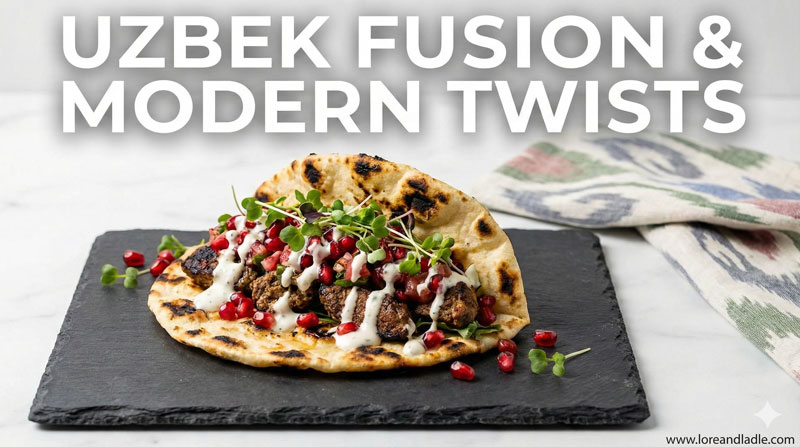
The Dish at a Glance
Simple Samsa – Uzbekistani Fusion & Modern Twists Flavor You’ll Love is a shining example of how a beloved pastry can evolve while still honoring its roots. This dish presents as a small, triangle-shaped pastry with a crisp, tender crust and a fragrant, savory filling. It sits at the crossroads of memory and invention: the familiar warmth of Uzbek flavors meets contemporary twists that invite new textures, ingredients, and techniques. In every bite, you’ll sense a respect for tradition, a curiosity for innovation, and a shared love of gathering around good food. The dish is as comfortable at a family table as it is at a modern cafe menu, and it celebrates the skill of home cooks and professional chefs alike who keep a time-honored recipe alive by inviting fresh ideas.
A Classic Core: What Samsa Means in Uzbek Cuisine
Samsa is a storied figure in Central Asian kitchens. Traditionally, it is a portable pastry that travels well and sustains travelers, workers, and families through long days. In Uzbek cuisine, the core idea is simple yet powerful: a sturdy dough folded around a savory filling, baked to a golden crust. Common fillings combine minced meat with onions, garlic, and warming spices like cumin and black pepper. The result is a comforting balance of meaty savor and aromatic warmth, wrapped in a crust that crackles when eaten. The dish is shaped with care—often triangular, a practical form that cooks have perfected over generations. Across Uzbek towns from Samarkand to Bukhara, samsa appears in markets, eateries, and kitchens of all sizes, carried by scent into the streets and into morning routines. Its value lies not only in taste but in how it signals hospitality, patience, and a shared craft that connects cooks with those they feed.
Simple Samsa: Fusion and Modern Twists
Simple Samsa reframes the classic into a modern, accessible experience without losing its soul. The fusion aspect blends traditional Uzbek flavors with new influences, creating a pastry that speaks to today’s palate while staying rooted in regional identity. You might encounter fillings that pair the familiar cumin-kissed meat with unexpected companions such as roasted pumpkin, creamy cheese, or sautéed mushrooms. Vegetarian or vegan twists elevate plant-forward ingredients, while fresh herbs—cilantro, dill, or parsley—brighten the filling. The crust can be anything from a traditional flaky pastry to a lighter, laminated dough or a thinner, crisper wrapper, depending on the cook’s preference. The result is a dish that feels both comforting and contemporary—familiar enough to recall home kitchens, yet inventive enough to feel new on a menu. In every version, the emphasis stays on balance: crisp exterior, richly seasoned interior, and a harmonious bite that lingers just long enough to invite another.
The Craft Behind the Crust
The crust is the first conversation you have with a samsa, and in Simple Samsa, it sets the tone for the entire experience. A good crust begins with simple ingredients: flour, water, a touch of salt, and a small amount of fat to help tenderness. Resting the dough briefly allows gluten to relax, which translates into a more delicate bite. Rolling technique matters, too: even, gentle stretches help avoid a tough texture, while careful sealing traps steam and keeps the filling intact. Some cooks brush the surface with a light glaze—egg wash or oil—to achieve a glossy, golden finish that signals a well-made pastry. The result is a crust that offers a satisfying snap on the first bite, giving way to a soft, fragrant interior. This craft connects generations of bakers and home cooks who take pride in the quiet care that goes into every fold, every seam, and every pastry that emerges from the oven.
Fillings that Tell Stories
Fillings are where Simple Samsa shines as a canvas for cultural storytelling. The traditional core—minced meat with onions and cumin—speaks of shared meals and straightforward, home-style cooking. Yet the fusion approach invites a colorful chorus of alternatives. A pumpkin-and-cheese combination might evoke harvests and autumn table settings, offering a gentle sweetness balanced by savory herbs. Mushroom with garlic and dill introduces earthy depth and a modern texture contrast. A potato-and-herb version can celebrate pantry staples and family staples alike. Each filling choice carries a mood: celebratory, comforting, rustic, or elegant. Spices from the region—cumin, coriander, black pepper, and paprika—linger in the air as you bite in, bridging the old with the new. The beauty of the dish lies in its ability to honor regional flavors while inviting inventive pairings that reflect present-day tastes and dietary preferences, all without straying from the heart of Uzbek culinary spirit.
Social and Cultural Tolds: Serving Rituals and Shared Moments
Simple Samsa is not just about eating; it is about sharing. In Uzbek culture, food is a language of welcome and conversation. A tray of samsa often appears at tea breaks, family gatherings, and neighborhood markets, inviting people to pause, talk, and connect. The act of preparing samsa—whether at Home with a grandmother’s careful guidance or in a small kitchen with friends experimenting with new fillings—becomes a social ritual. The aroma invites discussion: which spice is strongest, which filling feels cozier, where the pastry achieved the best crispness. Serving a warm samsa with green tea or ayran creates a moment of pause and hospitality that strengthens relationships. The fusion version adds a contemporary layer to these rituals, offering topics of conversation about regional influences, seasonal produce, and creative kitchen experiments. In this way, Simple Samsa functions as a cultural ambassador—welcoming, versatile, and deeply connected to social life around meals.
Simple Samsa as a Bridge Between Traditions
Culinary culture thrives when it honors its roots while welcoming curiosity. Simple Samsa embodies that spirit by maintaining the essence of Uzbek flavors and technique while inviting cross-cultural ideas. Chefs may incorporate ingredients from nearby regions or modern pantry staples to create textures and tastes that feel timely. The dish becomes a living dialogue: how does a familiar spice profile pair with a new ingredient? How can a traditional technique be adapted to a contemporary kitchen? The result is a dish that respects tradition but does not stagnate. It invites cooks and eaters to explore, to compare, and to savor how a simple pastry can travel across borders in flavors, aromas, and memories. In this sense, Simple Samsa is more than a snack; it is a delicious, ongoing conversation about the vitality of Uzbek culinary heritage in a global kitchen.
A Taste That Holds Tempo: Seasonal and Regional Notes
The beauty of Simple Samsa lies in its adaptability. Seasonal ingredients influence the fillings and can mirror the changing rhythms of harvests and markets. Spring herbs add brightness; autumn gourds lend warmth; summer vegetables bring lightness. Regional preferences shape the flavor profile as well: some kitchens lean toward more cumin and onion, while others emphasize garlic, fresh herbs, or cheese. This flexibility is a cultural strength, showing how a traditional pastry remains relevant by embracing local produce and contemporary tastes. The approach celebrates both place and time—the sense that flavor evolves with the land and the cook, yet the core idea of a well-made samsa endures. The fusion element does not erase identity; instead, it enriches it, turning Simple Samsa into a yearly favorite that can be reimagined with the seasons and with the people who share it.
Presenting Simple Samsa: Hospitality in Every Slice
In serving Simple Samsa, the host offers a moment of connection. A plate of these pastries invites conversation, invites tasting, invites curiosity. The dish stands out not only for its flavor but for what it represents: a respectful nod to tradition, a playful wink to modern cooking, and a shared experience that brings people together. Whether enjoyed as a quick bite in a busy kitchen, a centerpiece in a family meal, or a small plate on a cafe menu, Simple Samsa offers clarity of purpose: good technique, careful seasoning, and a generosity of spirit that welcomes everyone to the table. The result is a dish that feels enduring and fresh at once, a testament to the beauty of Uzbek culinary culture and its ability to grow with intention and care.
Closing Thought: A Celebration on a Plate
If you seek a dish that speaks softly of heritage while inviting bright, modern energy, Simple Samsa – Uzbekistani Fusion & Modern Twists Flavor You’ll Love is worth exploring. It honors the beloved rhythm of Uzbek cooking and expands it with thoughtful twists that respect flavor balance and texture. Through its crust, its fillings, and its rituals, the dish tells a story of hospitality, craft, and shared delight. It reminds us that food can be a bridge between generations and a doorway to new creations. In every bite, you taste a culture’s warmth and a cook’s curiosity—a combination that makes Simple Samsa not only delicious but deeply meaningful in the world of food culture.