
Introduction
Smart Meal Prep with Leftover Myanmar Salads & Tea Leaf Dishes is more than a cooking idea; it is a doorway to Burmese culinary culture. This approach celebrates the beauty of everyday meals, where leftovers become vibrant new dishes. It honors the bright contrasts of Burmese salads, especially those built around tea leaves, fresh vegetables, nuts, and aromatic seasonings. The result is a practical, uplifting way to savor tradition while keeping every bite lively and fresh.
The heartbeat of Burmese salads: laphet thoke and tea leaf dishes
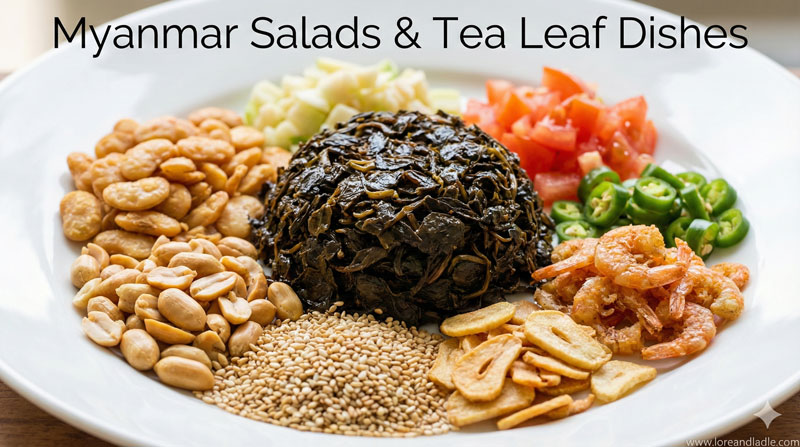
In Myanmar, the tea leaf tradition shines through a beloved dish called laphet thoke, or tea leaf salad. This dish blends pickled tea leaves with a chorus of textures: crisp cabbage, crunchy peanuts, chewy tea leaves, and bright citrus notes from lime. The balance of sour, salty, and nutty flavors makes the salad feel both comforting and celebratory. Beyond laphet thoke, Burmese salads often pair shredded vegetables with fermented or preserved ingredients, creating harmony between fresh produce and deep, savory tastes. Leftover components—rice, vegetables, herbs, or proteins—can be folded into these salads to keep the core flavors intact while giving them a fresh face. The result is a chorus of color and texture that speaks to patience, skill, and care in the kitchen.
Why leftovers sing in Myanmar cuisine
Myanmar cooking thrives on adaptability. Families treasure every ingredient, turning scraps into something new and satisfying. When leftovers meet traditional flavors, they gain new life without losing their roots. This practice mirrors a respectful approach to ingredients: honor what you have, balance what you add, and celebrate the meal as a small festival of flavors. Leftover components like cooked rice, shredded cabbage, carrots, herbs, or proteins can be repurposed with laphet or tea leaf components to create a fresh salad or tea leaf-inspired dish. The process highlights the culinary value of resourcefulness and the cultural joy of sharing a well-prepared plate with others.
Smart meal prep: building a balanced plate
Smart meal prep starts with organization. Begin by gathering last night’s leftovers and any Pantry Staples common in Burmese cooking. Then plan two or three quick transformations that respect the core flavors of tea leaf dishes.
- Base: Use cooled rice or noodles as a versatile foundation. These absorb dressing and contrast nicely with crunchy toppings.
- Proteins and greens: Add shredded cooked chicken, tofu, scrambled eggs, or tempeh. Include crisp vegetables such as cabbage, cucumbers, and tomatoes for brightness.
- Tea leaf component: If you have laphet (pickled tea leaves) or a tea leaf mix, fold in a portion to introduce the signature tang and depth. If not, a small amount of fermented or salty elements, like a light fish sauce or miso-inspired paste, can echo the same savoriness.
- Crunch and color: Top with roasted peanuts, sesame seeds, fried onions, and fresh herbs. A squeeze of lime or lemon brings lift.
- Dressing: A simple combination of lime juice, a touch of soy or fish sauce, a hint of sugar, and chili creates a bright, well-rounded finish.
With these steps, leftovers become a vehicle for the distinct beauty of Myanmar flavors. The dish remains rooted in its tradition while welcoming flexible, modern meal-prep routines.
Texture, aroma, and balance: the culinary significance
Myanmar salads and tea leaf dishes sing through texture and aroma. The crisp bite of raw vegetables contrasts with the chewy tea leaves and smooth rice. Roasted peanuts add a nutty warmth, while bright citrus and herbs perfume the plate. The aroma of toasted sesame, garlic, and chilies invites you to taste before you even take a bite. This balance—crunchy, soft, sour, salty, and aromatic—embodies a core principle in Burmese cooking: harmony among ingredients. By repurposing leftovers, the dish preserves that harmony while inviting new companions to the table.
Practical tips for storage and assembly
To keep this concept practical for everyday use:
- Store leftovers promptly in the fridge in airtight containers. Use them within 3–4 days for best flavor and texture.
- Keep a small pantry of Burmese staples: a tea leaf blend or pickled tea leaves, roasted nuts, and a light fermented element. These enable quick transformations without losing authenticity.
- On assembly day, start with a base of rice or greens, add a protein or two, fold in the tea leaf component if available, and finish with crunch and a bright dressing.
- If a portion of the tea leaf mix is not available, substitute with a tangy component such as a lemony miso dressing or a vinegar-based sauce that echoes the same sharp brightness.
- For fresh flavor, add herbs last. This preserves their color and aroma, making the dish feel instantly vibrant.
A respectful celebration of the cuisine
This approach honors the beauty of Burmese salads and tea leaf dishes as living traditions. It shows how a kitchen can weave memory, skill, and seasonal ingredients into a single, satisfying plate. The process emphasizes care, balance, and delight—values that shine in every bite. By embracing smart meal prep, we keep these flavors accessible, inviting more people to experience the warmth and complexity of Myanmar’s food culture.
Conclusion
Smart Meal Prep with Leftover Myanmar Salads & Tea Leaf Dishes offers a fresh lens on tradition. It demonstrates how leftovers can become elegant, culturally rich meals that honor Burmese flavors and culinary craft. With thoughtful planning, respectful assembly, and a cheerful spirit, every plate becomes a gentle celebration of taste, texture, and community. This approach invites readers to explore, savor, and share the beauty of Myanmar’s salads and tea leaf dishes in a practical, uplifting way.