
Welcome to Somsa: A Taste of Uzbek Culture
Somsa, or samsa as some cooks call it, sits at the center of Uzbek meals. This small pastry carries big meaning. It travels from bustling city markets to quiet family kitchens, gathering people around the table. The scent of roasted dough, onion, and meat invites warmth and conversation. In Uzbek culture, food is a language of hospitality, and somsa speaks it beautifully. Each bite tells a story of skill, patience, and shared moments.
What Is Somsa? A Portrait of a Triangular Pastry
Somsa is a savory pastry shaped like a triangle, a signature form that makes it easy to share. It starts with a thin, supple dough, rolled to a delicate film. The filling blends minced meat with onions and spices, sometimes with pumpkin or potatoes for variety. Bakers fold the dough around the filling, seal the edges, and press the corners into a neat pyramid. When the pastry cooks, the outer layer crispens while the inside stays tender and flavorful. The result is a handheld moment of comfort and flavor.
The Dough, Fillings, and Craft
- Dough: A simple mix of flour, water, salt, and sometimes a touch of oil. Resting the dough helps it relax, making it easier to roll and shape.
- Fillings: Ground lamb or beef is common, mixed with onions, pepper, coriander, and sometimes garlic. Vegetarian options appear with pumpkin, potato, or squash.
- Assembly: Roll the dough thin, cut into shapes, place a filling, and fold to seal. The goal is a secure package that holds steam and flavor.
- Finish: A light glaze of oil or an egg wash adds a gentle sheen and helps browning in the oven.
The technique rewards attention. A steady hand creates clean edges and a balanced filling. A moment of patience during resting and sealing yields a pastry that holds up to oven heat and still feels moist inside. The craft behind somsa reflects a culture that values precision, generosity, and a love of textures.
The Heat of the Tandyr: Oven and Aroma
Many somsa traditions rely on a tandyr, a clay oven with a charcoal fire. The tandyr’s high heat creates a crisp, blistered crust while preserving a soft interior. A skilled baker slides the shaped somsa onto the oven wall or into the mouth of the oven, letting the smoke and heat blend with the filling’s juices. The process fills kitchens with a smoky, toasty aroma that signals a meal is near. Even when Home Cooks use a conventional oven, the idea remains: a hot oven and careful timing unlock the pastry’s best texture and flavor.
Cultural Significance: Hospitality, Family, and Festivals
Somsa is more than a snack; it is an emblem of hospitality. When guests arrive, serving hot somsa signals warmth, welcome, and shared pleasure. Families often prepare somsa as a group project, turning cooking into a bonding activity. Grandparents teach grandchildren how to mix dough, roll it thin, and seal the triangles, passing down memory through movement and taste.
In Uzbek life, meals weave together daily routines and special occasions. Somsa appears at weekend gatherings, in morning markets, and during village fêtes. It complements tea, a daily ritual that invites pause and conversation. Festivals and seasonal celebrations also feature somsa, connecting people to harvest and tradition, and reminding everyone of the joy of cooking together.
Regional Flavor Maps: Variations Across Uzbek Cities
Uzbekistan is a country of varied landscapes and tastes, and somsa adapts to each locale. In Tashkent, the capital, you may find a crispier crust and a leaner filling, reflecting a city palate that loves a bright, clean finish. In Samarkand and Bukhara, fillings can lean toward richer spice blends and slightly heartier meats. The finish may be more aromatic with coriander and black pepper, or lighter with green onion and fresh herbs. Even the dough traditions shift: some regions favor a bit more oil in the dough for extra tenderness, while others keep the mix lean to highlight the filling.
These regional touches celebrate a shared technique while honoring local preferences. The result is a family of somsa that tastes like a map of Uzbek flavors—distinct in each place, yet unmistakably related through technique, shape, and the joy of sharing.
Somsa and Its Cousins: Dumplings and Noodle Plates in Uzbek Cuisine
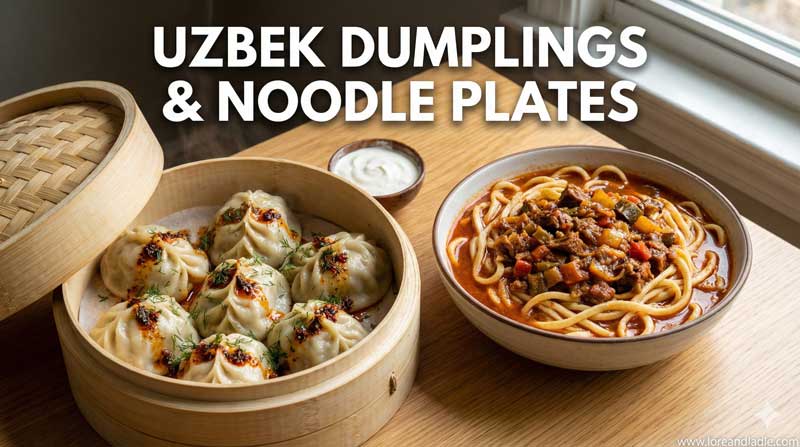
Somsa sits alongside other beloved dishes that highlight hands-on preparation and comforting flavors. Dumplings, known as manty, share a spirit with somsa: both rely on a careful balance of dough and filling and both invite communal making. Noodle plates, such as lagman, bring warmth and texture through long ribbons of noodles and savory sauces. Together, these dishes reflect a food culture that celebrates craft, patience, and the pleasure of a meal shared with others. The common thread is clear: texture, aroma, and the moment the dish meets the table create a memory that lasts beyond the first bite.
Making Somsa at Home: Practical Steps
- Plan ahead: Prepare the dough and filling in stages. A rested dough rolls more easily and sews together clean edges.
- Keep it simple: Start with a classic meat filling to learn the technique, then explore vegetables or mixed fillings.
- Roll evenly: Roll the dough thin but not torn. Even thickness ensures uniform cooking and a pleasing crust.
- Seal with care: Press edges firmly to seal in juices. A tight seal prevents leaks and produces a tidy triangle.
- Bake hot: Use a hot oven or tandyr if you have one. The quick, high heat creates a crisp crust and a tender interior.
- Rest and serve: Let somsa rest a moment after baking. Serve with tea or a light yogurt-dill sauce to balance richness.
These steps keep the process accessible while preserving the tradition that makes somsa unique. The joy is in watching the dough turn golden and listening to the sizzle as it bakes. Each handmade triangle becomes a small celebration of skill and culture.
A Gentle Invitation: Celebrate the Flavor and Craft
Somsa invites curiosity about Uzbek cooking. Its balance of crisp crust and savory filling is a reminder that simple ingredients, treated with care, can carry deep meaning. The dish celebrates early mornings, shared meals, and the artistry of everyday life. When you taste somsa, you taste a culture that loves hospitality, family, and community. You feel the warmth of the kitchen and the rhythm of a tradition passed from cook to cook, year after year.
Final Thoughts: A Dish That Connects Flavor, Craft, and Culture
Somsa embodies a beautiful blend of technique and heart. It teaches respect for a craft that blends flour, heat, and memory. It honors family through shared work and the pleasure of giving a tasty piece to someone you care about. And it stands as a flavorful reminder that food can build bridges of appreciation, between cooks in a kitchen and guests at a table.
If you are curious about Uzbek cuisine, start with somsa. Try a few variations, notice the texture, and savor the aroma. Allow the history and culture to unfold with every bite. In this way, you experience not just a pastry, but a living tradition that continues to inspire cooks and diners around the world.