
Introduction
Soto Ayam and other quick Indonesian dishes have earned a warm welcome in American kitchens and eateries. They bring bright colors, inviting aromas, and a sense of comfort that travels well across borders. This post explores Soto Ayam’s cultural value and culinary significance, and it shines a light on a small group of swift Indonesian favorites that Americans savor at Home and in casual dining spots. The focus stays on flavor, technique, and the joy of sharing a meal that feels both simple and soulful.
Soto Ayam: A Bright, Hearty Soup
Soto Ayam is a clear, turmeric-golden soup that centers tender chicken, aromatic herbs, and a gentle depth of spice. The broth often features lemongrass, ginger, garlic, and a touch of lime leaf, creating a bright, comforting base. The dish is finished with chicken slices, a boiled egg, rice, or vermicelli, and a lively array of garnishes such as fried shallots, cucumber, scallions, and a squeeze of lime. A dollop of sambal or chili sauce adds a measured kick for those who want it. The result is a bowl that feels festive yet everyday-friendly, a fusion of warmth, fragrance, and balance.
Culinarily, Soto Ayam celebrates balance. The broth is clear, yet it carries depth from spices and aromatics. The chicken adds tenderness, while the toppings contribute textural contrast and color. Serving Soto Ayam invites a sense of hospitality, as people tailor each bowl to their own tastes. The dish is quick to prepare when using a ready stock or streamlined method, yet it preserves a sense of careful technique in simmering, straining, and seasoning. That combination—speed with care—makes Soto Ayam a dependable centerpiece for a light lunch or a comforting dinner.
The Core Elements of Soto Ayam
- Clear, aromatic broth with a turmeric glow
- Tender chicken and soft accompaniments
- Fragrant aromatics: lemongrass, ginger, garlic
- Fresh toppings: lime, onions, herbs
- Optional heat and brightness from sambal and lime juice
These elements come together in a way that readers can imagine preparing with confidence. The dish teaches balance: aroma and brightness meet warmth and substance, creating a harmony that feels both bright and satisfying.
Soto Ayam’s Cultural Value and Place in Hospitality
Soto Ayam has earned a loving place in homes and eateries because it communicates care in a single bowl. It feels approachable, even for someone new to Indonesian flavors. The dish also shows how a cuisine can express everyday life through thoughtful seasoning and clear technique. In many kitchens, a pot of Soto Ayam becomes a conversation starter—an invitation to share and customize. This openness is a key cultural value: food as a shared, welcoming experience.
The dish also demonstrates how quick meals can carry depth. The broth carries memory of herbs and spices that define a region, yet the result remains accessible. The gentle complexity invites experimentation, from swapping vegetables to adjusting heat. In this way, Soto Ayam supports culinary creativity while preserving a respectful nod to traditional flavor profiles. The result is a dish that feels both rooted and alive, capable of fitting into busy days without sacrificing character.
Quick Indonesian Dishes Loved in America: An Overview
Beyond Soto Ayam, several Indonesian dishes travel easily into American pantries and menus. These foods share a common thread: they are simple to prepare, comforting to eat, and deeply flavorful. They often feature clear broths or bright fry methods, easily adapted to available ingredients, and they highlight the balance of sweet, salty, sour, and spicy notes that Indonesians craft with care. The following sections explore four popular quick options that Americans commonly enjoy alongside Soto Ayam.
Nasi Goreng: The Go-To Fried Rice
Nasi Goreng is Indonesia’s beloved fried rice. It centers on day-old rice tossed with garlic, shallots, and a splash of sweet soy sauce. Often, a fried egg crowns the dish, and a hint of sambal or chili paste adds warmth. This dish is a flexible canvas: meat, seafood, or vegetables can be added based on what’s on hand. Nasi Goreng shines when it achieves a balance of savory depth and bright aroma from aromatics and herbs.
Culturally, Nasi Goreng represents practical elegance. It turns leftovers into something flavorful and satisfying, a reminder that Home Cooking can be both efficient and soulful. In America, it translates to a quick, satisfying meal that works for busy weeknights or casual Weekend Gatherings. Its versatility makes it a favorite for family meals and casual dining alike, reinforcing the idea that a simple pan and pantry staples can produce a dish with global warmth.
Mie Goreng: The Satisfying Stir-Fry
Mie Goreng is Indonesian fried noodles, typically wavy egg noodles tossed with a savory sauce, garlic, onions, and vegetables. Like Nasi Goreng, it invites customization. It can include chicken, shrimp, or tofu, and it often features a slightly sweet-salty glaze with a hint of soy and sweet soy sauce. A few fried shallots on top add aroma and texture.
Mie Goreng travels well in American kitchens because it cooks quickly, cleanly, and with flexible ingredients. Its steam and sizzle signal a comforting, homey meal. The dish also offers a sense of rhythm and balance—soft noodles with crisp vegetables, and a glossy sauce that wraps everything in one delicious coat. In social dining settings, Mie Goreng pairs nicely with lighter side dishes or fresh-vegetable salads, making it a go-to option for gatherings.
Satay: Skewered Flavor with Peanut Sauce
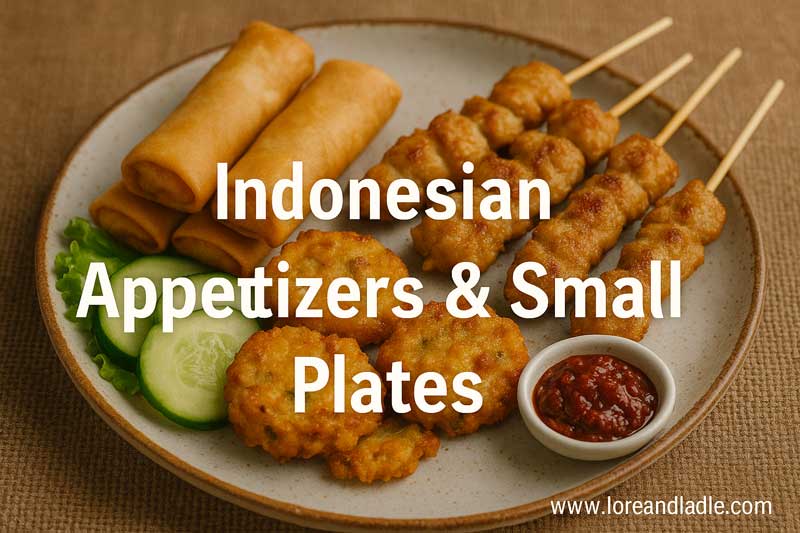
Satay is a simple and bright way to present Indonesian flavors. Skewered pieces of meat—beef, chicken, or pork—are marinated in a fragrant blend of spices, then grilled to a tender finish. A rich peanut sauce accompanies the skewers, sometimes with a squeeze of lime and a cucumber salad on the side. The contrast between smoky meat and creamy peanut sauce creates a memorable bite.
The cultural value of Satay lies in its social nature. Skewers are easy to share, making Satay ideal for gatherings and casual meals. In America, Satay has found a welcoming place in street-food-inspired menus and home entertaining alike. It demonstrates how a simple cooking method—grilling—can deliver complex flavor through marination, roasting heat, and a well-seasoned sauce. Satay also embodies a spirit of communal eating, where friends and family convene around a platter of skewers and sauces.
Gado-Gado: A Fresh, Nutty Balance
Gado-Gado is a vibrant mix of vegetables topped with a creamy peanut sauce. The dish often features boiled eggs, greens, cabbage, bean sprouts, tofu, and tempeh, all brought together by the sauce’s nutty richness. A touch of lime and sometimes fried shallots finishes the plate with brightness and crunch.
Gado-Gado highlights balance and color. It offers a refreshing counterpoint to heavier dishes, showcasing how vegetables can shine when paired with a satisfying, nutty sauce. In American dining contexts, Gado-Gado appeals to those seeking lighter meals that still deliver bold flavors. It serves as a bridge between fresh produce and comforting sauce, illustrating the versatility and creativity found in Indonesian home cooking.
The Kitchen as a Creative Bridge
Together, Soto Ayam and these quick dishes reveal a culinary language built on clarity, warmth, and adaptability. They demonstrate that flavor can be bright and comforting at the same time. They invite cooks to experiment with ingredients, adjust spice levels, and craft bowls that reflect personal taste. In American kitchens, these dishes function as approachable ambassadors for Indonesian cuisine. They show how global flavors can blend with daily routines to create meals that feel both special and familiar.
Conclusion
Soto Ayam stands as a beacon of gentle sophistication in a bowl. Its precise balance of spice, aroma, and tenderness makes it a joy to prepare and share. When paired with other quick Indonesian dishes like Nasi Goreng, Mie Goreng, Satay, and Gado-Gado, it forms a small, inviting culinary cluster. This cluster celebrates everyday cooking that honors flavor, technique, and hospitality. In this light, Indonesian quick dishes are not only delicious; they are cultural gifts of comfort, creativity, and connection that enrich American kitchens and dining rooms.