
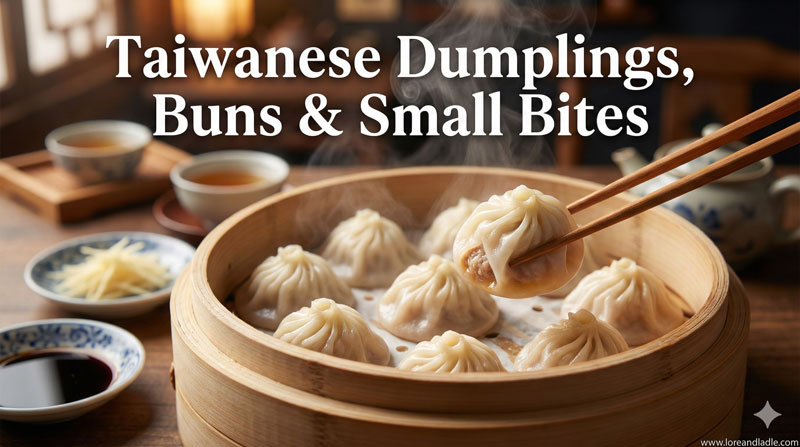
Best Taiwanese Dumplings, Buns And Small Bites Ideas for Your Next At-Home Feast
Taiwanese dumplings, buns, and small bites offer a vivid window into everyday life, artistry, and shared meals. This post explores the cultural value and culinary significance behind these beloved dishes. It invites you to savor technique, texture, and the spirit of gathering that frames Taiwanese cooking. The focus stays on flavor, craft, and the joy of presenting a thoughtful at-home feast.
Cultural roots and shared rituals
Taiwanese cuisine thrives on sharing. Dishes are designed to be enjoyed in groups, with each bite inviting conversation and connection. Dumplings symbolize abundance and care; buns convey warmth and comfort; small bites create a playful, social pace around the table. The act of wrapping, steaming, and dipping becomes a small ceremony, a ritual of patience and pride. In homes and markets alike, cooks honor family recipes while welcoming new twists. This blend of tradition and personal flair gives these foods their enduring charm.
The crafts that define Taiwanese dumplings
Dumplings in Taiwan reflect both precision and play. Wrappers are delicate yet sturdy, made to hold a generous filling and steam without collapsing. Folding techniques range from simple crescent shapes to intricate pleats, each method a sign of practice and care. The fillings celebrate balance: meat or vegetables meet aromatics, and a touch of broth or fat amplifies depth. The result is a bite that feels bright, comforting, and complete.
Small bites accompany the dumplings with variety and pace. Think bite-sized pancakes, crisp fritters, and savory snacks that pair well with a dipping sauce. Each item adds a texture or aroma that keeps the table lively, inviting guests to try something new without losing the sense of harmony. The culinary value lies in how these bits complement the dumplings while standing on their own as showcases of technique and flavor.
Buns and the art of soft, layered texture
Bao buns and similar steamed breads stand out for their tenderness and loft. The dough’s gentle rise mirrors patience and careful control in the kitchen. The fillings—pork, marinated vegetables, or savory plant-based options—offer contrast to the pillowy crumb. The magic happens when heat and steam coax a delicate, almost cloud-like texture. In Taiwan, buns are more than sustenance; they are a canvas for aromas, textures, and playful pairings, making every bite a moment of delight.
A spectrum of flavors: fillings that tell stories
Taiwanese dumplings and buns celebrate regional produce and seasonal pulses. Pork remains a favorite for its savoriness and adaptability, while cabbage, chives, ginger, and garlic provide crisp brightness. Mushroom, tofu, and savory radish offer depth and a gentle savor that lingers. Small bites often feature bold contrasts—crisp edges against soft interiors, nutty sesame against bright pickles—creating a fingerprint of balance that many lovers of Taiwanese food chase again and again.
Sauces, dips, and flavor bridges
No discussion of these dishes is complete without sauces. A good dipping sauce adds brightness and a touch of heat, enhancing the natural flavors without overpowering them. Soy-vinegar blends anchor the salt and tang, while chili oil or peppery sauces spark the palate. Sesame or peanut sauces bring richness and warmth. A well-chosen dip can turn a simple bite into a memorable moment, highlighting the chef’s intention and the dish’s personality. The cultural value here lies in the shared practice of creating and enjoying these accompaniments together at the table.
Techniques that travel well to the home kitchen
At-home feasts benefit from approachable, repeatable techniques. Steaming preserves moisture and tenderness in both dumplings and buns. A gentle simmer or boil keeps fillings juicy and flavors clean. A quick skillet or griddle step can add a crisp edge to dumplings or a delicate crust to buns, if you choose. The key is balance: heat should be steady, wrappers should stay tender, and fillings should sing with aromatics. When these techniques are understood, Home Cooks can recreate the essence of street-corner favorites in a respectful, approachable way.
A menu mindset for your at-home feast
To honor the culture, design a small tasting set that honors variety without overwhelming the table. Start with a few dumplings in different wrappers or shapes. Add a couple of buns with complementary fillings. Include one or two small bites that showcase crunch, sweetness, or brightness. Finish with a simple, clean dipping option and a light tea or beverage. This approach celebrates balance and rhythm, two core ideas in Taiwanese dining.
Ingredient storytelling: what to seek at the market
Fresh, crisp vegetables, aromatic aromatics, and well-made wrappers carry the soul of these dishes. Seek bright green scallions, crisp cabbage, and plump mushrooms for filling ideas. Look for good-quality meat with balanced fat that will remain juicy when cooked. For wrappers, choose pliable sheets that steam evenly. The best ingredients tell a story of place and season, guiding the cook to create a dish that feels rooted and alive.
The social side of the table
Taiwanese meals emphasize social harmony and shared enjoyment. A table set with multiple small dishes invites conversation, experimentation, and generosity. Guests taste a range of bites, discuss textures, and reminisce about favorite flavors. This social rhythm adds cultural value beyond flavor: it turns a meal into a moment of connection, learning, and delight. An at-home feast built around these ideas becomes a warm, inclusive experience for everyone present.
Presentation that honors craft
How you present the dishes matters. Arrange dumplings, buns, and small bites in a way that suggests a journey across textures. Encourage guests to try a dumpling first, then a bite-sized offering, followed by a soft bun with a bright filling. The platings can reflect simple, elegant colors and a clean table setting. Thoughtful presentation respects the craft and invites guests to savor each bite with awareness and appreciation.
Pairings that respect the flavors
A light tea or a gentle beer can complement the meal without overpowering delicate fillings. For more adventurous palates, a dry white wine or a crisp sparkling beverage can lift the brightness of the herbs and the umami from the fillings. The key is balance: the drink should cleanse between bites and allow the flavors to shine.
A note on regional variety and continuity
Taiwanese dumplings, buns, and small bites reflect regional preferences and family traditions. Each household may have a signature combination, yet the core idea remains the same: care in preparation, joy in sharing, and respect for ingredients. This continuity creates a living tapestry of flavors that celebrates both heritage and creativity. When you cook at Home, you participate in a broader conversation about food, craft, and community.
Bringing it all together: your next at-home feast
If you plan a gathering around these dishes, you invite comfort, curiosity, and conversation. Begin with steamy buns that invite touch and scent, followed by a variety of dumplings with different fillings and textures. Add a couple of small bites for contrast, then finish with a simple dipping sauce and tea. This structure mirrors the way many Taiwanese meals unfold: a thoughtful progression, a sense of play, and a shared sense of satisfaction.
Final reflection: celebrating culinary value and culture
Best Taiwanese Dumplings, Buns And Small Bites Ideas for Your Next At-Home Feast offers more than a menu. It presents a culture of care, craft, and communal joy. The dishes embody technique learned through practice and passed along with pride. They honor the intimate link between cooks, family, and friends, who come together to celebrate flavor, texture, and the beauty of a well-crafted bite. By exploring these foods at home, you join a long tradition of hospitality, skill, and shared delight.